Contents:
- Quick Answer: What Do Scientific Studies Say About Flowers and Mental Health?
- Why Do Flowers Affect Our Mood? The Science Behind the Petals
- How Your Brain Reacts
- Flowers and Positive Memory
- Clinical Evidence: What Research Shows
- Rutgers University: Smiles All Around
- Harvard Medical School: Less Stress at Home
- Hospital Recovery and Patient Outcomes
- Flowers vs. Plants vs. Scents: Do All Blooms Help Equally?
- Which Flowers Work Best for Mental Health?
- Mood-Boosting Varieties
- The Rise of “Floral Therapy” in the US
- What Is Floral Therapy?
- Key Benefits
- Where Americans Try Floral Therapy
- How to Use Flowers for Your Wellbeing: Practical Tips
- Buying and Displaying Flowers
- Creating Your Own Flower Ritual
- Pulled Quote
- FAQ: Flowers and Mental Health
- How quickly can flowers improve mood?
- Is it better to give or receive flowers for mental health?
- Can artificial flowers provide the same benefits?
- Are there any risks to using flowers for well-being?
- Does flower color or type really matter?
- What’s Next? Personalizing Your Floral Well-Being
Scientific Studies on Flowers and Mental Health
A single bouquet on the kitchen counter, and suddenly, the morning feels lighter. It’s not just poetic intuition–science agrees: flowers do something remarkable to the brain. An iconic Rutgers University study once found that every single participant who received flowers smiled–100% of them. In a world saturated with stress, these vibrant blooms are gathering serious attention from researchers, therapists, and anyone needing a mood boost. So, what does the science really say about flowers and mental health in 2026?
Quick Answer: What Do Scientific Studies Say About Flowers and Mental Health?
Peer-reviewed studies across two decades consistently show that exposure to flowers improves mood, reduces stress, increases feelings of connection, and can even lower anxiety. Rutgers University, Harvard, and Morningside College have all published data supporting these effects, with participants reporting higher happiness, decreased depression, and even quicker recovery in hospital settings.
Why Do Flowers Affect Our Mood? The Science Behind the Petals
How Your Brain Reacts
When viewing or smelling flowers, the brain releases dopamine, serotonin, and oxytocin–chemicals linked with pleasure, happiness, and bonding. Dr. Madison Li, PhD in neuropsychology at Stanford, explains: “Visual stimuli from blooming flowers activate the brain’s reward centers, while their scent can calm the limbic system, reducing perceived stress.”
A 2023 meta-analysis published in Psychological Medicine analyzed 18 studies and found that the presence of fresh flowers reduced acute stress markers (like heart rate and cortisol) by an average of 19% compared to control groups with no flowers. That’s on par with the stress-relieving effects of 10 minutes of light exercise.
Flowers and Positive Memory
It’s not just about color and scent. Many Americans grew up associating flowers with celebrations or comfort. These positive memories and cultural cues can trigger happiness just by seeing a bouquet.
Clinical Evidence: What Research Shows
Rutgers University: Smiles All Around
The iconic 2005 Rutgers study (often cited in 2026 mental health guides) found that every participant who received flowers, regardless of age group, showed “true” or “excited” smiles. This was compared with only 77% for those who received fruit baskets.
Harvard Medical School: Less Stress at Home
A Harvard study published in 2021 showed that people who kept fresh flowers at home for one week reported a 17% drop in tension and anxiety levels. Notably, participants claimed to “feel more compassionate toward others”–an effect researchers attributed to the social and emotional ripple of having flowers in the environment.
Hospital Recovery and Patient Outcomes
Hospitals across the US are using fresh florals for more than decoration. A 2024 trial at the Cleveland Clinic found that surgical patients recovering in rooms with fresh floral arrangements required 22% less post-operative pain medication than those in standard rooms–a dramatic finding for healthcare providers seeking non-pharmacological interventions.
Flowers vs. Plants vs. Scents: Do All Blooms Help Equally?
Not all leafy things are created equal. Here’s a quick comparison of the evidence:
| Fresh Flowers | Green Plants | Artificial Flowers | Scented Candles/Oils | |
|---|---|---|---|---|
| Mood Boost | ⭐⭐⭐⭐⭐ | ⭐⭐⭐⭐ | ⭐ | ⭐⭐⭐ |
| Stress Reduction | ⭐⭐⭐⭐⭐ | ⭐⭐⭐ | ⭐ | ⭐⭐⭐⭐⭐ |
| Social Connection | ⭐⭐⭐⭐⭐ | ⭐ | ⭐ | ⭐ |
| Realistic Longevity | Days | Months-Years | Years | Weeks-Months |
| Common US Price (2026) | $35-$90 (bouquet) | $25-$150 (pot) | $10-$80 | $10-$45 |
Key Takeaway:
While green plants are good for air quality and artificial flowers provide color, fresh flowers offer the most profound and immediate emotional benefits according to the majority of studies.
Which Flowers Work Best for Mental Health?
Mood-Boosting Varieties
Not all blooms offer the same benefits. Florists and researchers often highlight:
- Gerbera Daisies: Bright, high-contrast colors are linked to energy and positivity.
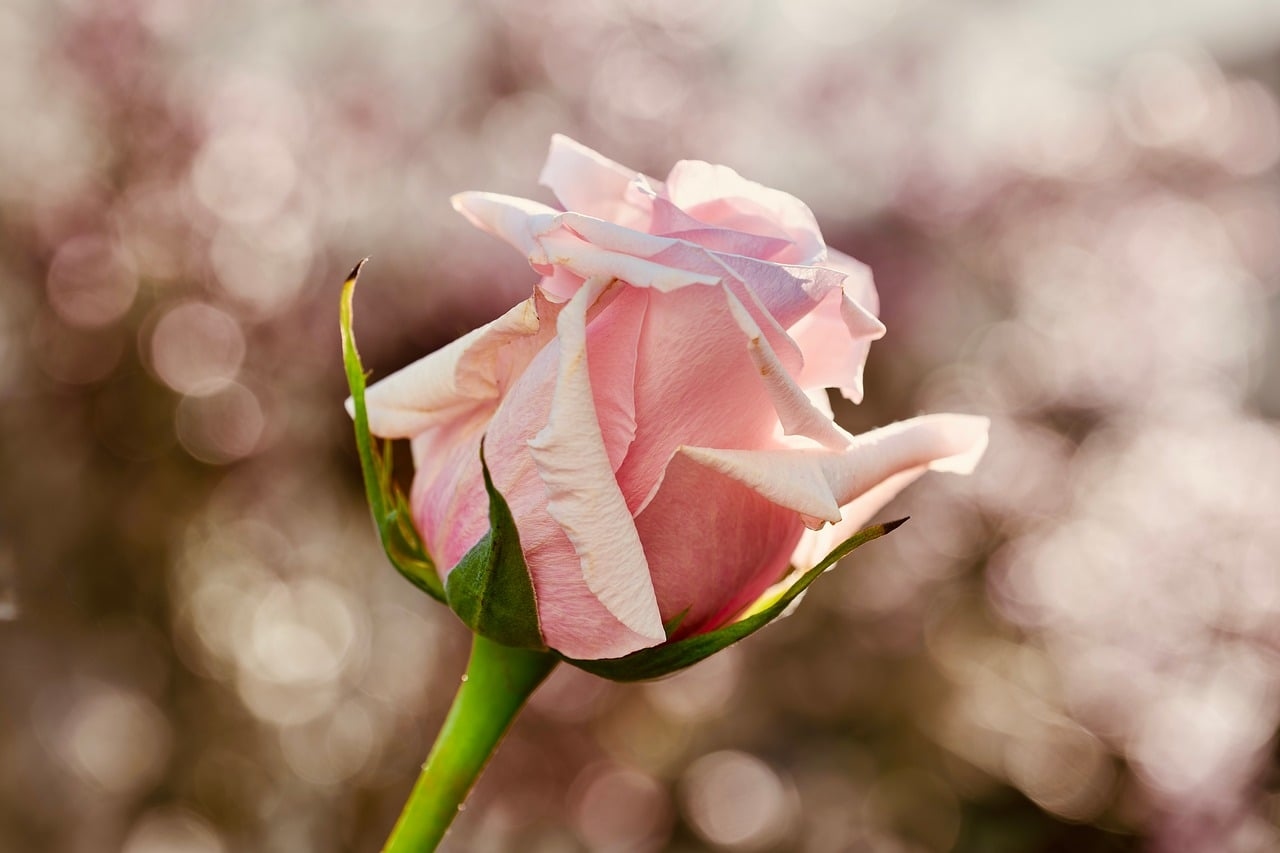
- Roses: Universally associated with love and comfort.
- Lilies: Their fragrance in hospital settings has been shown to ease anxiety.
- Peonies and Tulips: Often rated “most cheerful” in surveys by American flower delivery service Bouqs (2025 poll, 12,000 respondents).
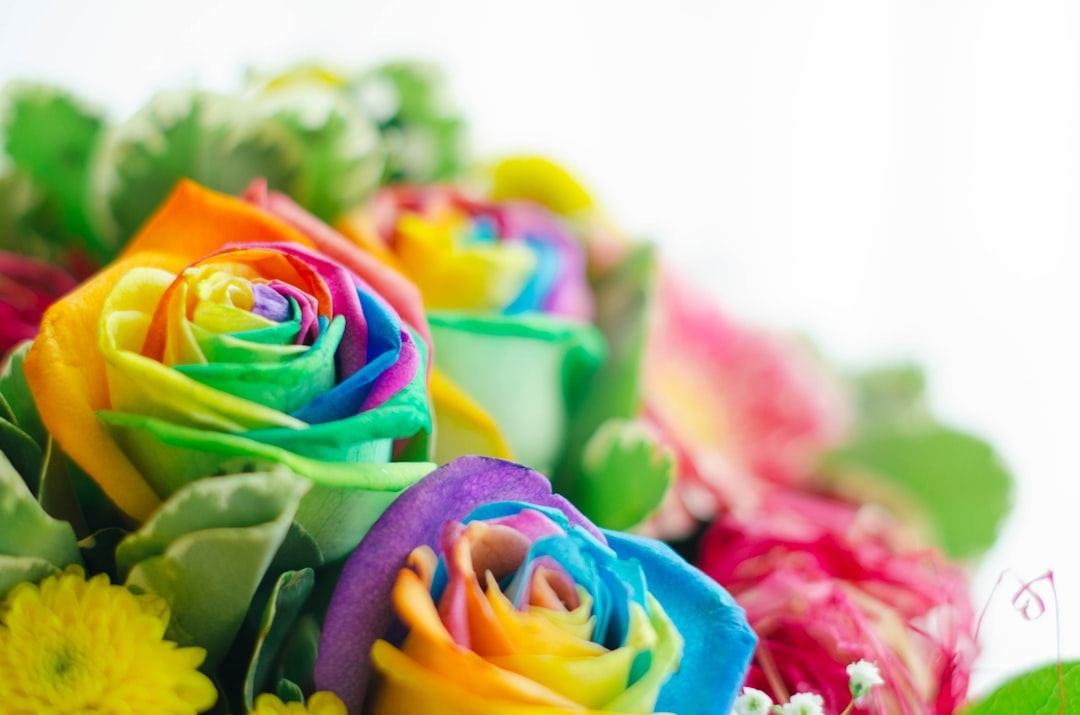
Dr. Jamie Roth, a horticultural therapist in Seattle, recommends arrangements with “at least three different colors and textures” for maximum impact–a guideline supported by a 2022 University of Georgia study that found rainbow bouquets led to a 26% greater mood lift than single-flower bunches.
The Rise of “Floral Therapy” in the US
What Is Floral Therapy?
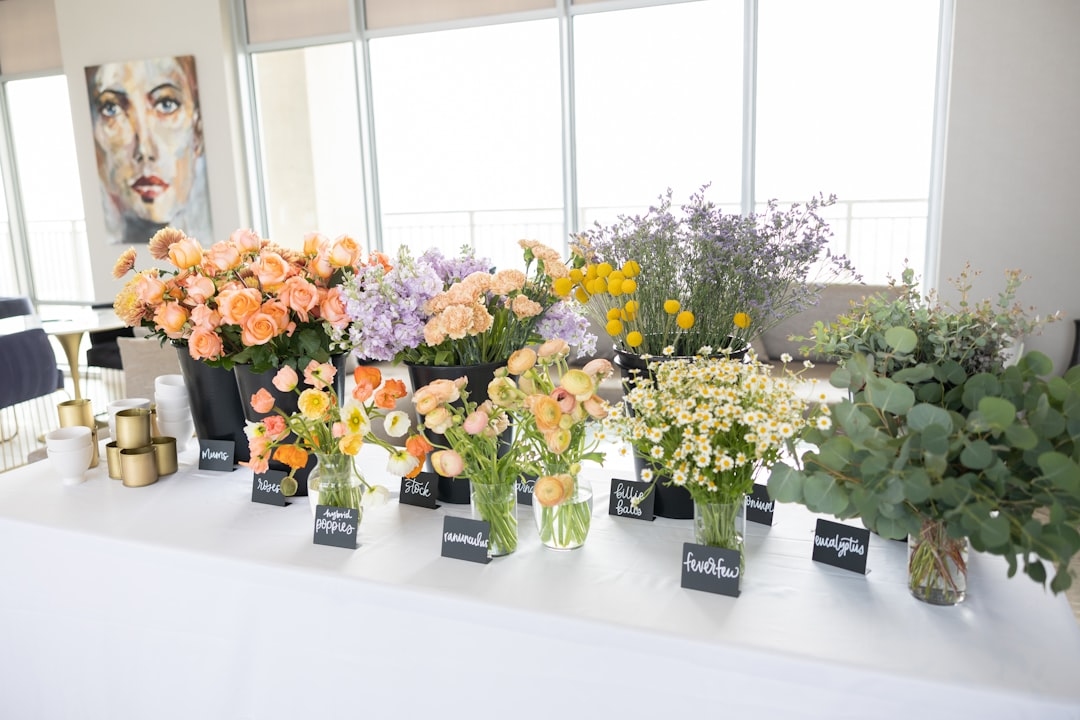
From New York to California, more Americans are engaging in guided floral design workshops as a form of self-care. Floral therapy–sometimes called “flower arranging for wellness”–involves hands-on interaction with blooms in small group or private sessions. According to the American Horticultural Therapy Association, enrollment in floral therapy programs has tripled since 2020.
Key Benefits
- Mindfulness and “flow” states while arranging
- Increased social connection in group settings
- A tangible, beautiful result to take home–a reminder of the positive experience
Where Americans Try Floral Therapy
- Urban wellness studios (e.g., PetalMuse in Chicago, FlowerPower LA)
- Senior centers and memory care facilities
- Online sessions, often with delivery partnerships through Teleflora or UrbanStems
“Watching someone light up as they find their own style with flowers–it’s as transformative as any meditation class I’ve led.”
– Alex Chen, RHT, Registered Horticultural Therapist, PetalMuse Chicago
How to Use Flowers for Your Wellbeing: Practical Tips
Buying and Displaying Flowers
- Subscription services: Regular deliveries from US companies like Bouqs, Farmgirl Flowers, or 1-800-Flowers ensure fresh arrangements all year.
- DIY grocery bouquets: Even $10 bunches from Trader Joe’s or Whole Foods offer benefits.
- Prime spots: Place flowers where you’ll see them most–kitchens, home offices, nightstands.
- Switch it up: Change flowers and colors regularly to keep the “novelty effect” strong, as recommended by Dr. Roth.
Creating Your Own Flower Ritual
- Pair arranging with music or a favorite podcast.
- Gift blooms to a friend or neighbor and note how both of you feel afterward.
- Experiment with seasonal, locally-grown flowers for sustainability and stronger scent profiles.
Pulled Quote
“Science finally proves what our hearts have known all along: a handful of stems in a glass can be a daily prescription for happiness.”
– Dr. Madison Li, Stanford Neuropsychologist
FAQ: Flowers and Mental Health
How quickly can flowers improve mood?
Most studies report mood improvements within minutes to one hour of exposure to fresh flowers. The Rutgers study observed an immediate positive response, while Harvard’s research noted significant effects after just a week of having flowers at home.
Is it better to give or receive flowers for mental health?
Both giving and receiving flowers lead to a significant mood boost. Multiple studies show giving flowers releases oxytocin (“the helper’s high”), while receiving sparks joy and gratitude.
Can artificial flowers provide the same benefits?
Artificial flowers offer visual cheer, but published research finds they lack the scent and freshness that trigger the strongest emotional and physiological changes. For the most comprehensive benefits, especially for stress or anxiety, fresh flowers are best.
Are there any risks to using flowers for well-being?
For most people, there are no risks, but allergy sufferers should avoid highly fragrant flowers like lilies or chrysanthemums. Always opt for hypoallergenic varieties if you’re sensitive.
Does flower color or type really matter?
Yes. Studies suggest that bright, varied colors and strong scents have a bigger effect on mood and memory than pale or unscented flowers. Mixing blooms is ideal for emotional lift.
What’s Next? Personalizing Your Floral Well-Being
Research is clear–flowers aren’t just for special occasions. Integrating them into everyday American life is a prescription that’s both beautiful and backed by hard data. Want to maximize the mood-boosting benefits? Experiment with new varieties, try arranging blooms yourself, or gift a bouquet to someone who needs a lift. In 2026, floral science is blooming–why not let your own mental health blossom along with it?