Contents:
- Why Tulips Work So Well on a Dining Table
- Step 1: Identify Your Table’s Seasonal Color Palette
- Step 2: Match Tulip Colors to the Season, Then the Table
- Spring Tables (March–May)
- Summer Tables (June–August)
- Fall Tables (September–November)
- Winter Tables (December–February)
- Step 3: Apply Basic Color Coordination Principles
- Contrast, Not Matching
- Complement the Accent, Not the Base
- Respect the Temperature
- Step 4: Choose the Right Vessel
- Step 5: Scale the Arrangement to the Table
- What the Pros Know
- Tulips vs. Ranunculus: Understanding the Difference for Table Settings
- Common Mistakes to Avoid
- Pro Tips for Keeping Tulips Fresh Through the Meal
- Frequently Asked Questions
- What tulip colors work best for a neutral, white-and-linen table?
- How many stems do I need for a typical dinner party centerpiece?
- Can I use tulips for a formal holiday table, or do they look too casual?
- Should I mix tulip varieties, or stick to one?
- Where can I order tulips in specific colors for a seasonal table?
- From the Table Up
Here’s a myth that quietly rules most home styling decisions: the flowers on your table should match your dinnerware. Pick white plates? Get white blooms. Lean into blue napkins? Find blue flowers. It sounds logical, and it’s almost entirely wrong. When flowers simply repeat what’s already on the table, they disappear into the background instead of doing what a great floral arrangement actually does — add depth, contrast, and a sense of intention. A tulip flower bouquet can do all of that beautifully, but only when you approach color coordination the right way.
This guide breaks down exactly how to match tulip colors to your seasonal table — not by matching, but by building a color story that makes your entire tablescape feel curated and alive.
Why Tulips Work So Well on a Dining Table
Tulips have a structural quality that most other cut flowers lack. Their stems curve gently with age, their petals open at a pace you can actually watch, and their silhouette is clean enough to work in both minimalist and maximalist settings. Unlike roses, which can read as formal, or wildflower arrangements, which can read as casual, tulips occupy a flexible middle ground. They’re sophisticated without being stiff.
That versatility is exactly why coordinating them with a table setting requires a bit of thought. The wrong pairing doesn’t make tulips look bad — they always look good — but the right pairing makes the whole table feel intentional and complete.
Step 1: Identify Your Table’s Seasonal Color Palette
Before you pick up a single stem, map the colors already on your table. Walk through each layer of your setting and note the dominant tones:
- Tablecloth or placemats: Is the base neutral (white, cream, linen), warm (rust, mustard, terracotta), or cool (slate, sage, navy)?
- Dinnerware: Are your plates white with a gold rim, hand-painted with a pattern, or solid-colored? What are the accent tones in the glaze or design?
- Glassware: Clear, smoky, amber, or colored? Even transparent glassware catches light and adds color temperature to the table.
- Napkins and linens: These often carry the strongest secondary color — the one your flowers should respond to, not repeat.
- Candles or candlestick holders: Wax color, holder finish (brass, silver, matte black, ceramic), and flame warmth all contribute to the overall palette.
Once you’ve catalogued these elements, look for the dominant undertone of the whole setting. Is it warm, cool, or neutral? That undertone is your anchor for choosing tulip colors.
Step 2: Match Tulip Colors to the Season, Then the Table
Seasonal context shapes everything in table styling. A color combination that reads as fresh and celebratory in April can feel strange in November. Tulips are naturally associated with spring, but they’re available year-round through quality florists — and with the right color choices, they can be styled for any season.
Spring Tables (March–May)
Spring settings lean toward soft, light-filled palettes: pale linen, white or cream dinnerware, gold or rose-gold accents. For this context, tulips in soft pink, cream, lilac, peach, or pale yellow feel native to the season. If your setting includes any green (leaf-print napkins, fern centerpieces, moss-toned runners), add a few stems of parrot tulips in chartreuse or green-edged white for an unexpected but perfectly seasonal note.
Summer Tables (June–August)
Summer tables often push bolder — cobalt blue glassware, brightly patterned linens, terracotta or ceramic plates in saturated colors. This is the season for tulips in deep orange, vivid red, or sunny yellow. White tulips also work beautifully against a bold summer palette because they provide breathing room without competing with every other element on the table.
Fall Tables (September–November)
Autumn settings do a lot with warmth: amber candlelight, copper or brass accents, earth-toned linens in rust, burgundy, or forest green. Dark tulips — deep burgundy, plum, near-black varieties like ‘Queen of Night,’ or a rich mahogany red — anchor fall tables with real sophistication. Mixed arrangements of dark and warm-toned tulips placed in a bronze or dark ceramic vessel look genuinely striking against wood grain or stone tabletops.
Winter Tables (December–February)
Winter holiday tables often carry high contrast: white tablecloths with gold, silver, or deep red accents. White tulips with dark green foliage feel elegant and appropriately seasonal without the visual noise of more ornate arrangements. For a more dramatic winter setting, deep red or maroon tulips paired with cream candles and silver candlesticks create a classic tension that reads as both festive and timeless.
Step 3: Apply Basic Color Coordination Principles
You don’t need a design degree to use color theory. Three principles cover most situations:
Contrast, Not Matching
As noted upfront, the goal is contrast — not an exact color repeat. If your napkins are dusty blue, don’t reach for blue tulips. Choose soft peach or warm cream instead. The contrast creates visual interest; the matching creates flatness.
Complement the Accent, Not the Base
Your tablecloth or runner is the base — it’s usually neutral. Your dinnerware pattern, napkin color, or glassware tint is the accent. Choose tulips that speak to the accent color, not the base. A cream tablecloth is background; the hand-painted blue rim on your plates is the accent your tulips should respond to.
Respect the Temperature
Warm and cool palettes don’t mix easily. If your setting runs warm — brass, terracotta, amber, rust — stick with warm tulips (yellow, orange, coral, warm red). If it runs cool — silver, slate, sage, white — cool tulips (lavender, pale pink, white, lilac) will feel cohesive. Mixing temperatures is an advanced move that works only when it’s clearly intentional.
Step 4: Choose the Right Vessel
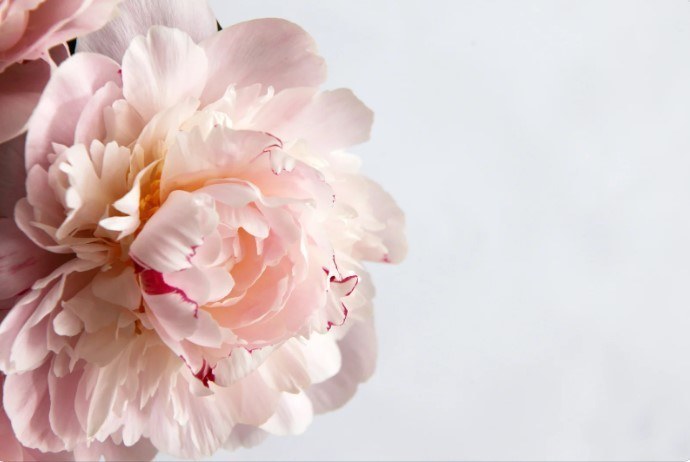
The vase or vessel you put tulips in is part of the color story. A white ceramic vase disappears against a white tablecloth; a clear glass cylinder shows the stems and adds an organic element; a terracotta pot adds warmth; a dark stoneware vessel grounds the arrangement and makes lighter tulip colors pop.
For a dining table, low and wide tends to work better than tall and narrow — arrangements that rise significantly above eye level across a table interrupt conversation. A generous cluster of tulips in a wide, shallow bowl or a low ceramic vessel keeps the visual flow at table level while still making a real statement.
Step 5: Scale the Arrangement to the Table
A single small bud vase on a six-seat dinner table disappears. An oversized arrangement on a two-person bistro table crowds the setting. Scaling the arrangement to the table and the occasion matters as much as color coordination.
- Intimate tables (2–4 seats): One medium arrangement of 7 to 12 stems, or three small bud vases in a row for a runner effect.
- Standard dining tables (4–6 seats): One substantial centerpiece of 15 to 20 stems, or two matching arrangements at each end with candles in between.
- Long banquet or holiday tables (8+ seats): Multiple arrangements or a series of vessels down the center, coordinated in color but varied in vessel size for visual rhythm.
What the Pros Know
Pro Tip: Professional floral designers rarely use tulips alone for a table centerpiece. They use them as the hero bloom, then add one supporting element and one textural accent. For spring tables, a mix of tulips with white ranunculus and soft dusty miller creates depth without visual chaos. For fall settings, dark tulips with a few stems of chocolate cosmos and dried eucalyptus branches hit a level of richness that’s nearly impossible to achieve with single-variety arrangements. The key principle: one hero, one supporting bloom, one texture. That formula works at every price point and for every season.
Tulips vs. Ranunculus: Understanding the Difference for Table Settings
Ranunculus is the flower most often confused with tulips in table styling contexts — and the confusion is understandable. Both are cup-shaped, come in a wide range of colors, and work beautifully in low centerpieces. But they behave differently and suit different settings.
Tulips have a clean, architectural quality. Their petals are large and simple, their stems are long and gently curved, and they open dramatically over the course of 24 to 48 hours after being placed in water. That opening motion means a tulip centerpiece on Friday evening looks different from the same arrangement on Sunday morning — sometimes more open and lush, sometimes beginning to droop. Tulips have a lifecycle you engage with.
Ranunculus, by contrast, have densely layered petals that give them a fuller, almost peony-like appearance. They hold their shape longer and stay tightly formed for most of their vase life. For a table where you need reliable, consistent appearance over several days — a wedding, a multi-day event, a long holiday weekend — ranunculus often outperforms tulips on longevity.
For casual, frequent entertaining at home, tulips win on character and presence. For formal events where the arrangement needs to look the same on day three as it did on day one, ranunculus is the safer choice. The best approach is often both: tulips as the hero, ranunculus as the supporting bloom that adds fullness and holds up the arrangement as the tulips open and soften.
Common Mistakes to Avoid
- Matching flowers to dinnerware exactly. Exact color matching creates a flat, monotone table. Use contrast and complementary tones instead.
- Choosing too many varieties. More than two or three flower types in a table arrangement creates visual chaos. When in doubt, stay with one or two varieties of tulips in related colors.
- Ignoring vessel color and finish. A bright white vase on a warm autumn table undermines the whole palette. Match vessel tone to table temperature.
- Using the same arrangement for every season. The same white tulips in a clear vase that works beautifully in February feels thin and timid on a fully dressed Thanksgiving table. Adjust scale, color depth, and vessel for each season.
- Placing arrangements too high. Anything above 10 to 12 inches on a dining table interferes with sightlines. Either go very low or very tall (above conversation level) — the awkward middle height breaks the table’s visual flow and conversation across it.
- Forgetting foliage. Tulip stems stripped bare look stark and unfinished. Eucalyptus, Italian ruscus, or even simple garden leaves add warmth and anchor the arrangement in its vessel.
Pro Tips for Keeping Tulips Fresh Through the Meal
Tulips are sensitive to heat and ethylene gas (given off by ripening fruit and some candle wicks). A few practical steps keep them looking their best through a long dinner:
- Cut stems at a 45-degree angle and place in cool, clean water immediately.
- Keep arrangements away from candle heat — a few inches of distance makes a meaningful difference in longevity.
- Don’t place tulips near a fruit bowl or beside a gas range. The ethylene speeds wilting significantly.
- Refresh water the morning of your event and re-cut stems for maximum uptake.
- If tulips begin to droop, a penny in the water (an old trick with real science behind it — copper has mild antibacterial properties) can firm them up slightly, though clean water and a stem re-cut work better.
Frequently Asked Questions
What tulip colors work best for a neutral, white-and-linen table?
Neutral tables offer the most flexibility. Soft pink, peach, or cream tulips complement the warmth of linen without competing. For a bolder statement, a single-color arrangement of deep burgundy or vivid coral against a white tablecloth creates a dramatic, high-contrast focal point. Pale lilac is another excellent choice — it adds color without visual weight.
How many stems do I need for a typical dinner party centerpiece?
For a standard 4-to-6-person table, 12 to 18 stems in a low, wide vessel creates a full-looking arrangement without overwhelming the setting. If you’re using a single tall vase, fewer stems — 7 to 9 — can look intentional and architectural. Odd numbers tend to feel more natural than even ones.
Can I use tulips for a formal holiday table, or do they look too casual?
Tulips absolutely work for formal settings — the key is color and vessel choice. Dark varieties like ‘Queen of Night’ (near-black purple), ‘Paul Scherer’ (deep velvety red), or ‘Black Hero’ (deep maroon) in a dark ceramic or metallic vessel look genuinely sophisticated. Avoid cheerful spring pinks for a formal winter table; lean into the darker, richer end of the tulip color spectrum instead.
Should I mix tulip varieties, or stick to one?
Both work, but they create different effects. A single variety in a single color reads as graphic and modern — very intentional. Mixed varieties (say, parrot tulips with standard single tulips) in a coordinated palette read as abundant and lush. For most table settings, picking one or two varieties in two closely related colors gives you the best of both: visual interest without chaos.
Where can I order tulips in specific colors for a seasonal table?
Specialty florists are your best resource for specific color requests. Grocery store tulips are often limited to whatever is available in bulk that week. The Scarlet Flower at https://thescarletflower.com/ carries a rotating selection of seasonal tulips and can help you coordinate colors to your specific table setting. If you’re in the Irvine area, https://thescarletflower.com/pages/irvine has current availability and ordering details.
From the Table Up
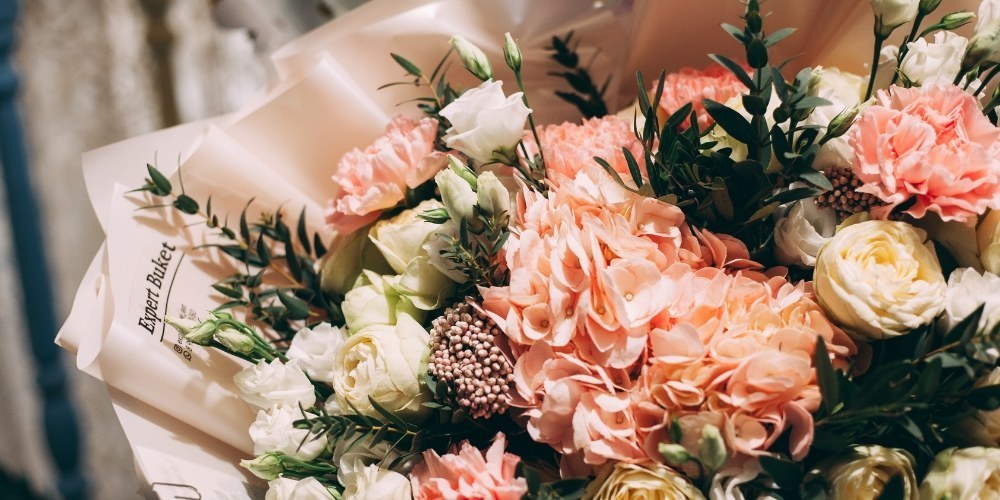
A well-coordinated table setting is more than the sum of its parts — the plates, the linens, the glassware, the food, and the flowers all contribute to a single impression. When tulips are chosen with the seasonal palette and specific table elements in mind, they stop being a decoration and start being part of the design. The steps in this guide — mapping your palette, respecting seasonal context, applying basic color principles, choosing the right vessel and scale — give you a repeatable framework you can use every time you set a table worth gathering around.
Adjust for the season, experiment with contrast, and don’t be afraid to go darker and richer than you think you should. Tulips can carry a lot of visual weight when given the chance.