Contents:
- What’s the Best Raised Bed Cutting Garden Plan? (Direct Answer)
- Why Raised Beds Work Wonders for Cut Flowers
- How to Build (or Buy) the Perfect Raised Bed
- Sizing and Layout
- Filling Your Bed
- Choosing Flowers for a US Cutting Garden Bed
- The Classic Eight for Cutting
- Seasonal Planning
- The Layout: Planting Your Raised Bed for Maximum Stems
- Spacing and Arrangement
- Supports and Pathways
- Watering, Feeding, and Everyday Care
- Drip Irrigation vs. Hand Watering
- Fertilizing
- Dealing with Pests and Disease
- Harvesting: Get the Most (and Best) Blooms
- Common Mistakes in Raised Bed Flower Gardens (and How to Dodge Them)
- FAQ: Raised Bed Cutting Garden Plans
- How many flowers can I grow in a 4×8 raised bed?
- What’s the best soil for a raised bed cutting garden?
- Can you grow perennials in a cutting garden raised bed?
- How often should I water a raised bed flower garden?
- Do I need to fertilize my raised bed flowers?
- Jumpstart Your First Bouquet
Raised Bed Cutting Garden Plan: Grow Armloads of Blooms in a Small Space
On the best mornings, you’ll catch the sunlight hitting a stand of zinnias just as you pad out in slippers, shears in hand. Not a weed in sight–just bountiful flowers for your kitchen table or a friend’s birthday bouquet. No sprawling field required. With a raised bed cutting garden, even a modest suburban plot can yield extravagant, florist-worthy blooms in just a season.
Ready for endless fresh flowers and less backache? Here’s everything you need to design, plant, and enjoy your own raised bed cutting garden–right here in the US.
What’s the Best Raised Bed Cutting Garden Plan? (Direct Answer)
A productive raised bed cutting garden plan for US gardeners includes a 4×8-foot bed (8-12 inches high), filled with rich, well-draining soil and planted densely in rows or blocks with 8-12 varieties of cut flower favorites. Arrange annuals (zinnia, cosmos, sunflowers) and perennials (coneflower, yarrow) for continual blooms May through frost. Use drip irrigation, mulching, and rotate crops yearly for best results.
Why Raised Beds Work Wonders for Cut Flowers
Raised beds are more than just pretty wood frames–they’re a shortcut to vibrant, healthy flowers. The slightly elevated soil means warmer roots in spring, faster drying after rain, and fewer soilborne diseases. And, for US home gardeners in USDA zones 3-9, raised beds can extend your season by several weeks.
Dr. Linda Vargas, horticulturist and author of “Backyard Bouquets,” explains, “Dense planting is king in a small space. With the right soil mix and a few simple supports, you can grow hundreds of stems in one raised bed.”
Top Perks of Raised Bed Cutting Gardens:
- Easier soil prep: No digging clay or battling invasive grass.
- Ergonomic: Less stooping, easier harvesting.
- Fewer weeds: Mulch stays put, soil compacts less.
- Pest and critter control: Easy to add hoops or netting.
“A single 4×8 bed can supply enough fresh flowers for multiple vases each week from June through frost.”
– Jess Rowley, founder, Brilliant Blooms Floral, Portland, OR
How to Build (or Buy) the Perfect Raised Bed
Sizing and Layout
The gold standard for raised cutting gardens is the 4×8-foot rectangle. It’s wide enough for planting diversity, but narrow enough to reach the center without treading on soil.
- Dimensions: 4 feet wide x 8 feet long x 12 inches high is ideal.
- Materials: Use untreated cedar (lasts 10+ years), composite boards (like those from Gardener’s Supply Co.), or galvanized steel. Avoid railroad ties–they often contain toxic creosote.
Typical Costs (2026):
| Material | DIY Kit (4x8x12″) | Pre-Built Bed | Longevity |
|---|---|---|---|
| Untreated Cedar | $130 | $180 | 10-15 yrs |
| Composite Board | $145 | $200 | 15 yrs |
| Steel | $150 | $210 | 20 yrs |
Assembly is weekend-project easy–most kits need only a drill and level. For existing ground, you’ll want to remove sod or lay down cardboard to smother weeds before filling.
Filling Your Bed
- Soil Mix: Aim for 60% high-quality topsoil, 30% compost, and 10% perlite or horticultural sand. Bags from Dr. Earth or Coast of Maine work well if bulk compost isn’t available.
- Depth: Minimum 8 inches; deeper is better for dahlias and taproots.
- Amend with: A balanced slow-release organic fertilizer (look for Espoma Flower-Tone or similar).
Choosing Flowers for a US Cutting Garden Bed
The Classic Eight for Cutting
Select a mix of annuals (reliable, vigorous, fast) and a few perennials (for long-term structure). Consider at least 6-8 varieties for color, shape, and vase life.
Must-have US cutting flowers:
- Zinnia (Profusion, Benary’s Giant) – hardy, dizzying color variety
- Cosmos (Cupcake, Double Click) – lacy foliage, romantic blooms
- Snapdragon (Rocket, Madame Butterfly) – vertical form, long vase life
- Sunflower (Pro Cut, Sunrich) – pollenless types are best
- Celosia (Flamingo Feather, Chief) – funky texture, bold color
- Ammi majus (False Queen Anne’s Lace) – airy filler
- Yarrow (Strawberry Seduction) – perennial, tough, pollinator-friendly
- Dahlia (Café au Lait, Cornel Bronze) – queen of late summer
You can swap in lisianthus, statice, or black-eyed Susan for regional flair and fun. Seed packets typically range $3-$7 each–try American brands like Renee’s Garden, Johnny’s Selected Seeds, or Baker Creek.
Seasonal Planning
Stagger your planting so there’s always something blooming. Quick-sown annuals like zinnias and cosmos can be succession-sown every 3-4 weeks for endless stems.
| Spring (April-May) | Summer (June-Aug) | Fall (Sep-Oct) |
|---|---|---|
| Larkspur | Zinnia | Dahlia |
| Snapdragons | Sunflower | Cosmos |
| Feverfew | Celosia | Amaranth |
The Layout: Planting Your Raised Bed for Maximum Stems
Planting for bouquets is a little different than a typical ornamental garden. Here, efficiency rules.
Spacing and Arrangement
- Rows vs. Blocks: For a 4×8 bed, use close blocks–grouping each variety in 12- to 18-inch-wide swaths for easy harvesting.
- Tight Spacing: Zinnia, cosmos, and similar annuals thrive at 9×9 inches apart. Perennials need more space–aim for 12-18 inches.
Example 4×8 Bed Planting Plan:
- 1 row (4 feet) of tall sunflowers at north end
- 2-3 rows each of zinnia, cosmos, snapdragon, and celosia (middle)
- 1 row of ammi, yarrow, or filler at the edge
- Small section for dahlias (mark with stakes for tuber digging)
Supports and Pathways
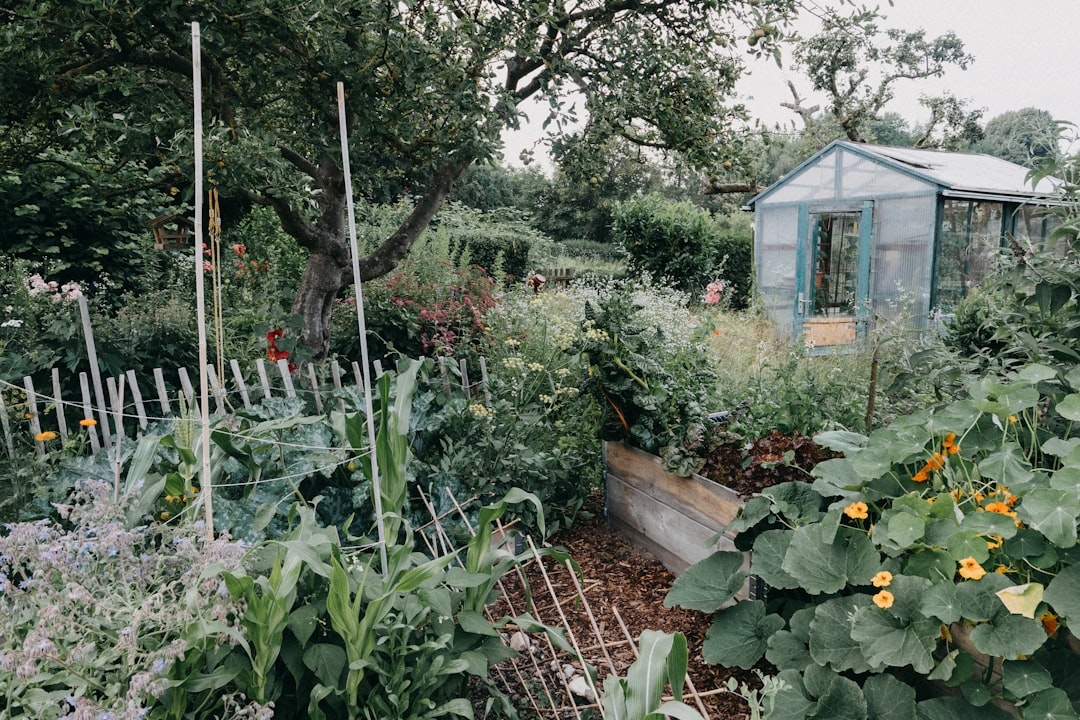
- Snapdragons and dahlias need support. Use mesh netting (like Hortonova) over the bed or stake with bamboo.
- Place stepping stones or a central path alongside your bed–don’t compact the growing soil.
Watering, Feeding, and Everyday Care
Drip Irrigation vs. Hand Watering
Drip hoses (try DripWorks or Raindrip, $35-$60) deliver water directly to roots and reduce fungal risk. For a single bed, a simple timer setup saves hours all summer.
Hand watering with a wand works fine, but aim for an early morning routine–never overhead-water at night.
Fertilizing
Start with rich compost. Boost twice monthly with a liquid feed (Neptune’s Harvest fish emulsion or Alaska Morbloom). Dahlias, especially, are heavy feeders.
Dealing with Pests and Disease
- Japanese beetles love zinnia and dahlia. Try floating row covers or hand-pick in early dawn.
- Powdery mildew can strike late summer; space plants generously and remove affected leaves.
Expert tip: “Rotate plant families annually to prevent buildup of pests and soil diseases. Even a single bed can benefit from this,” says Marcus Feld, Iowa-based master gardener.
Harvesting: Get the Most (and Best) Blooms
The golden rule: pick early and pick often. Most cut garden flowers reward you with more blooms the more you snip.
- Best time to harvest: Early morning, before sun heat.
- Tools: Sharp snips or florist shears (Floralife or Fiskars are US favorites).
- Vase life boosters: Immediately place stems in cool water; strip lower foliage.
For longer-lasting bouquets, condition stems in water with a drop of bleach or flower food. US flower delivery pros like UrbanStems credit this with adding 3-5 days of vase life.
Common Mistakes in Raised Bed Flower Gardens (and How to Dodge Them)
- Overcrowding: Cramming too many plants leads to mildew, weak stems, and poor air flow.
- Wrong soil depth: Shallow beds = stunted dahlias.
- Neglecting supports: Tall annuals topple in storms–netting is worth it.
- Forgetting succession sowing: All your zinnias at once means a glut, then nothing.
<blockquote>
“Plant less of each variety than you think. A dozen zinnia plants can flood you with cut flowers all July.”
– *Alison Harper, owner, SunLit Florals, Atlanta*
</blockquote>
FAQ: Raised Bed Cutting Garden Plans
How many flowers can I grow in a 4×8 raised bed?
A 4×8 bed can hold 60-100 annual flower plants, depending on variety and spacing. With dense planting, expect hundreds of stems per season–enough for 2-3 medium bouquets weekly from June through October.
What’s the best soil for a raised bed cutting garden?
Use a mix of 60% high-quality topsoil, 30% finished compost, and 10% coarse material (perlite, sand) for drainage. Avoid regular garden soil, which compacts and drains poorly in raised beds.
Can you grow perennials in a cutting garden raised bed?
Yes. Perennials like yarrow, echinacea, rudbeckia, and perennial phlox thrive in raised beds and provide structure and early season blooms. Leave space for their mature size and mulch in winter for protection.
How often should I water a raised bed flower garden?
Most raised bed cutting gardens need 1-1.5 inches of water per week. In hot US summers or sandy soils, check moisture daily and water deeply 2-3 times a week. Drip irrigation is recommended for consistent moisture.
Do I need to fertilize my raised bed flowers?
Yes. Start with compost-rich soil and apply a balanced organic fertilizer monthly. For heavy feeders like dahlias or sunflowers, supplement with fish emulsion every 2-3 weeks in peak growth.
Jumpstart Your First Bouquet
Grab a seed packet or two, sketch your plan, and clear a bright corner of your yard. Raised bed cutting gardens aren’t just for show–they’re about daily moments and armloads of color. Swap zinnias with your neighbor, gift a snapdragon posy, and see for yourself how much joy a small flower bed can sow. Summer’s waiting–start building your raised bed this weekend, and watch the blooms (and bouquets) follow.