Contents:
- Best Flowers for Organ Transplant Recovery Rooms: Quick Answer
- Why Flowers Matter in Recovery: More Than Just Decoration
- Health and Safety: What Florists and Families Must Know
- Avoid High-Risk Flowers and Arrangements
- Choose These Safer Options
- Table: Flower Safety Matrix for Hospital Recovery Rooms
- Choosing the Right Flowers: Practical Guidelines for 2026
- Confirm Hospital Rules–They Do Change
- Go for Quality and Freshness
- Vase Selection and Water Care
- Include a Thoughtful Note
- Cost Guide: What to Expect in 2026
- Real Stories: How the Right Flowers Impact Recovery
- Delivery Do’s and Don’ts (USA, 2026)
- Do
- Don’t
- Alternative Gestures When Flowers Aren’t Allowed
- FAQ: Flowers for Organ Transplant Recovery Rooms
- Can organ transplant patients have flowers in their hospital rooms?
- Which flowers are safest for organ transplant recovery?
- Are succulents allowed in transplant recovery rooms?
- Can dried or artificial flowers be sent to patients after transplant?
- How should flowers be cared for to reduce infection risk?
- Looking Ahead: The Evolving Role of Floristry in Hospital Healing
Flowers for Organ Transplant Recovery Rooms
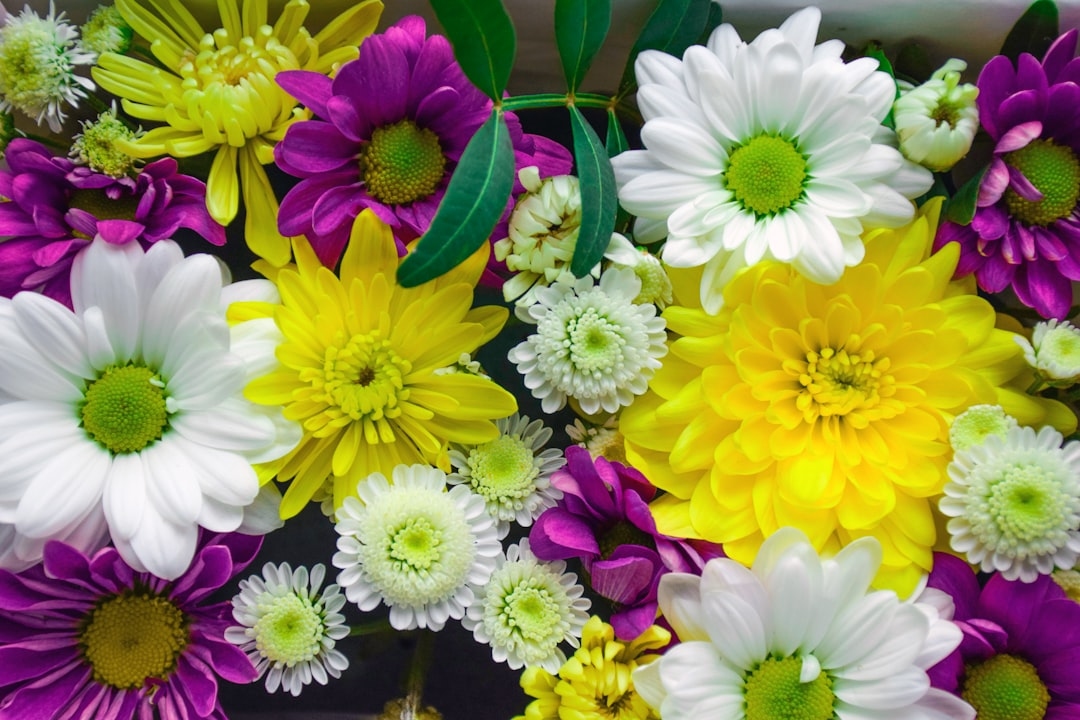
A single vase of tulips has the power to lift an entire room. In the sterile, humming world of organ transplant recovery, flowers can transform an intimidating medical space into a place of hope, encouragement, and healing. But not every blossom is ideal for patients navigating the delicate road to recovery. Choosing flowers for organ transplant recovery rooms is both an art and a science–a blend of empathy, medical awareness, and floristry know-how.
Best Flowers for Organ Transplant Recovery Rooms: Quick Answer
The safest flowers for organ transplant recovery rooms are hypoallergenic, unscented blooms such as orchids, roses, hydrangeas, snapdragons, and chrysanthemums. Avoid lilies, heavily pollenated flowers, and scented arrangements. Ensure all flowers are delivered fresh, clean, and free from mold or excess foliage.
Florists should use sanitized vases and avoid oasis floral foam, which can harbor bacteria.
Why Flowers Matter in Recovery: More Than Just Decoration
Hospitals can feel impersonal. Medical equipment clicks and beeps. Recovery brings uncertainty and fatigue. In a study published in the Journal of Health Psychology (2024), patients with fresh flowers in their rooms reported 23% higher emotional well-being scores during the first week of post-transplant recovery than those without any natural elements.
“Hospital rooms with carefully chosen flowers provide a tangible sense of hope,” says Emma Ruiz, RN, an organ transplant nurse at Mayo Clinic Jacksonville. “It’s not just a boost for the patient. Visitors and staff feel it, too.”
Pull-quote:
“Hospital rooms with carefully chosen flowers provide a tangible sense of hope. It’s not just a boost for the patient. Visitors and staff feel it, too.”
– Emma Ruiz, RN, Transplant Nurse
Flowers can reduce stress, promote a positive mood, and even encourage social interaction between patients and their support networks. But certain blooms come with risks–especially for those whose immune systems are suppressed after an organ transplant.
Health and Safety: What Florists and Families Must Know
Organ transplant recipients face higher risks of infection. Their immune systems are purposefully dampened to prevent organ rejection. As a result, even a tiny spore or pollen grain can spell trouble.
Avoid High-Risk Flowers and Arrangements
- No lilies: Pollen-heavy and highly fragrant.
- No sunflowers or daisies: Often high in pollen and can trigger allergies.
- No plants in soil: Soil harbors bacteria and mold.
- Skip floral foam: Bacteria can breed in the porous material.
Choose These Safer Options
- Orchids: Elegant, minimal pollen, come in self-contained pots.
- Roses (without strong scent): Classic, hypoallergenic hybrids are best.
- Hydrangeas: Lush and safe when petals are intact and stems are clean.
- Snapdragons: Vertical beauty, low pollen.
- Chrysanthemums: Provide color and longevity; choose unscented varieties.
Florists like Grace Lee (Certified Master Florist, Houston, TX) recommend changing the water daily and choosing clear vases. “Transparency matters. It reminds staff and family to keep water fresh, preventing bacteria buildup,” Lee explains.
Table: Flower Safety Matrix for Hospital Recovery Rooms
| Flower Type | Pollen Level | Scent | Allergy Risk | Hospital Safe? |
|---|---|---|---|---|
| Lilies | High | Strong | High | No |
| Orchids | Low | None | Rare | Yes |
| Roses (hybrid) | Low | Mild | Rare | Yes |
| Hydrangeas | Low | None | Rare | Yes |
| Sunflowers | High | Mild | Moderate | No |
| Chrysanthemums | Low | Mild | Rare | Yes |
| Daisies | High | Mild | Moderate | No |
| Carnations | Low | Mild | Rare | Yes (unscented) |
| Tulips | Low | None | Rare | Yes |
Choosing the Right Flowers: Practical Guidelines for 2026
Hospitals in most US cities have clear policies on what’s allowed in transplant units. Here’s what to keep in mind:
Confirm Hospital Rules–They Do Change
- Some transplant centers, like NewYork-Presbyterian/Columbia, prohibit all fresh flowers in intensive recovery wards but allow them in post-acute phases after three days.
- Always call the nurse’s station or check hospital guidelines online before ordering.
Go for Quality and Freshness
- Order from reputable florists with experience in hospital delivery, such as UrbanStems, Bouqs, or local independent shops vetted by hospital staff.
- Look for same-day delivery to minimize time in transit and ensure blooms are vibrant upon arrival.
- Ask for arrangements with minimal greenery and no additional decorative items such as glitter, which can irritate sensitive patients.
Vase Selection and Water Care
- Always choose flowers in clean, glass vases.
- Instruct the florist to use filtered water, change it before delivery, and include care instructions.
- Avoid arrangements shipped in foam or opaque containers.
Include a Thoughtful Note
A handwritten card can mean as much as the flowers themselves. For inspiration:
- “Wishing you strength and a smooth recovery. Just a little color to make your day brighter.”
- “May these blooms bring a touch of beauty and calm as you heal.”
Cost Guide: What to Expect in 2026
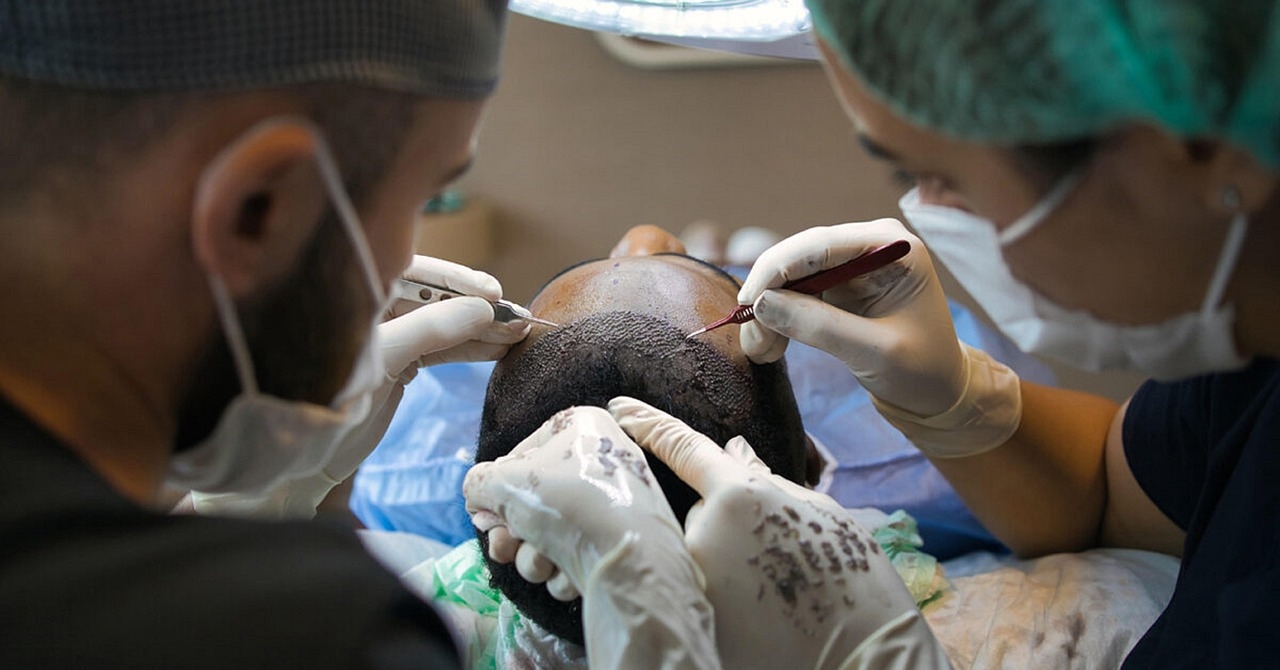
Americans spend an average of $65-$120 for a hospital-safe floral arrangement, according to the American Society of Florists’ 2026 Spring Survey. Same-day delivery typically adds $10-$25 depending on the hospital’s location.
Brands like FTD and 1-800-Flowers now offer “HealthSafe” bouquets designed for medical delivery–clearly labeled and compliant with most hospital standards.
Price breakdown example:
- Basic arrangement (tulips, hydrangeas, snapdragons): $55-$80
- Premium arrangement (orchids, long-stem roses): $100-$135
- Handwritten card and care kit (optional): $12-$20
- Rush/same-day delivery (local NYC hospital): $20 (as of Feb 2026)
Real Stories: How the Right Flowers Impact Recovery
Three days after his heart transplant at Cleveland Clinic, Marcus’s wife brought in a compact orchid and a single unscented rose. “It was like a piece of home showed up in that unfamiliar room,” Marcus recalls.
Florist Mindy Cole, who specializes in medical floral design in Austin, TX, shares: “We’ve seen families become more engaged with patients when flowers are present. Grandkids draw pictures of them, friends come just to see how the blooms are doing. It’s a small thing that often leads to big feelings.”
Delivery Do’s and Don’ts (USA, 2026)
Do
- Double-check hospital policy before ordering.
- Choose the right delivery window. Some hospital units won’t accept flowers after certain hours.
- Request contactless delivery. Many facilities still limit direct contact due to infection risk.
Don’t
- Send flowers to intensive care units (ICUs) or to immediately post-op rooms unless given explicit permission.
- Use DIY home arrangements unless strict hygiene is observed.
- Include strong fragrances or plants in soil.
Alternative Gestures When Flowers Aren’t Allowed
If the transplant unit restricts fresh flowers, consider these alternatives:
- Paper flower bouquets: Zero allergy risk, long-lasting.
- Digital flower cards: Companies like Lovepop offer interactive pop-up floral cards.
- Succulents in sterile, soilless arrangements (with approval).
- Donation to a transplant support fund in the patient’s name.
FAQ: Flowers for Organ Transplant Recovery Rooms
Can organ transplant patients have flowers in their hospital rooms?
Most US hospitals allow hypoallergenic, unscented floral arrangements after the initial post-surgery phase, but policies vary. Intensive care and sterile transplant units often prohibit all flowers. Always check with the hospital before sending flowers to a recovering transplant patient.
Which flowers are safest for organ transplant recovery?
Safe options include orchids, hydrangeas, unscented roses, snapdragons, and carnations. Avoid lilies, sunflowers, daisies, and any heavily scented or pollen-rich blooms. These are less likely to trigger allergies or cause infection.
Are succulents allowed in transplant recovery rooms?
Succulents can sometimes be allowed if they’re in sterile, soilless setups (hydroponic or sand) and not potted in traditional soil. It’s still essential to confirm with the hospital due to infection concerns.
Can dried or artificial flowers be sent to patients after transplant?
Yes, dried or high-quality artificial arrangements are widely accepted alternatives when fresh flowers aren’t permitted. They pose no risk of pollen or mold and last throughout the patient’s stay and beyond.
How should flowers be cared for to reduce infection risk?
Flowers should arrive in a sanitized glass vase with filtered water. Replace water daily, trim stems, and promptly remove any wilting petals or leaves. Never use floral foam, and keep the arrangement simple and easy to clean.
Looking Ahead: The Evolving Role of Floristry in Hospital Healing
Medical floristry has come a long way. As more hospitals recognize the therapeutic value of safe, thoughtfully chosen flowers, expect new guidelines, innovative sterile arrangements, and purpose-built services to emerge by late 2026 and beyond. If you’re sending flowers to a loved one in recovery, you’re doing far more than decorating a hospital room. You’re sending hope, support, and a living symbol of renewal.
Before you pick up the phone or open your favorite florist’s website, make a quick call to the hospital, choose from the safe-list above, and help make a patient’s recovery room bloom–safely and beautifully.