Contents:
- What Is a Dried Flower Business? (Featured Snippet)
- Why Dried Flowers? Market Trends and Opportunities
- Sustainability Meets Style
- Market Size and Growth
- Types of Dried Flower Businesses
- Retail Florists
- Online Stores
- Wholesale Suppliers
- Specialty Businesses
- Comparison Table
- How to Start a Dried Flower Business in 2026
- Sourcing and Drying Flowers
- Equipment and Supplies
- Legal and Business Setup
- Pricing and Profit Margins
- Marketing Your Dried Flower Business
- Branding and Positioning
- Online Presence
- Partnerships & Wholesale
- Customer Loyalty
- Care, Storage, and Shipping: Best Practices
- Long-Lasting Beauty
- Shipping Solutions
- Common Challenges (and How to Solve Them)
- Fragility in Transit
- Trend Fluctuations
- Seasonality
- Frequently Asked Questions
- How long do dried flowers last?
- Can dried flowers be shipped across state lines?
- What are the most popular dried flowers in the US in 2026?
- How do I keep dried flowers from getting moldy?
- Are dried flower businesses profitable?
- Ready to Launch?
Complete Guide to the Dried Flower Business
Imagine opening a box and seeing flowers that have kept their color and shape for months–sometimes years. In 2026, the dried flower business is thriving, finding its way into everything from wedding bouquets to TikTok “unboxing” hauls. US demand is up 40% since 2022, according to the American Floral Endowment. Dried floristry isn’t just a trend–it’s shifting how Americans decorate, gift, and even grieve.
What Is a Dried Flower Business? (Featured Snippet)
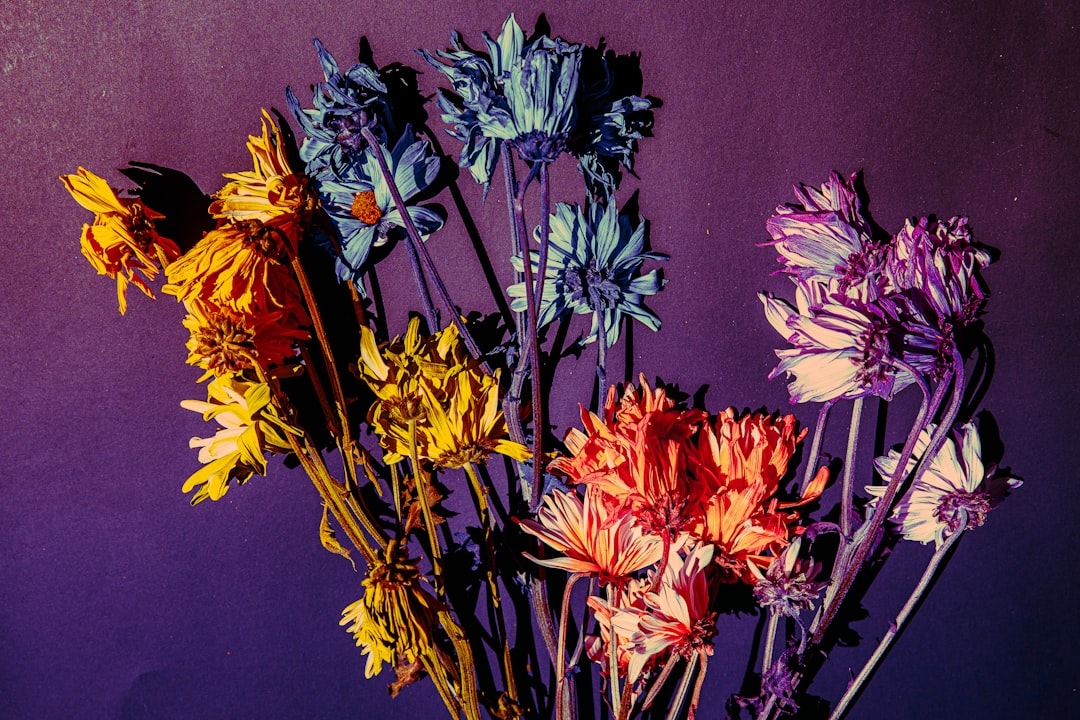
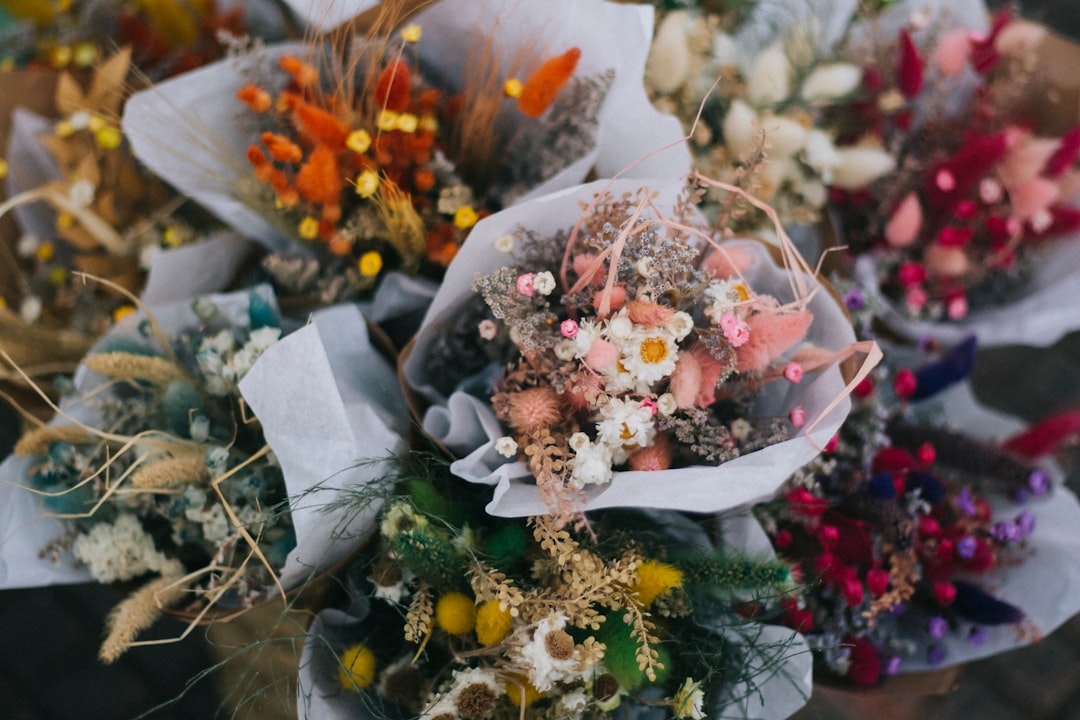
A dried flower business grows, sources, dries, and sells preserved botanicals. These flowers are dried using air-drying, pressing, or modern methods like silica gel or freeze-drying, and are sold as bouquets, arrangements, wreaths, and decorative accents. Dried flower businesses serve both retail (direct to customers via shops or online) and wholesale markets (event planners, florists, designers). The business can be home-based or involve a storefront, with products ranging from single stems (at $1-$3 each) to elaborate installations costing several thousand dollars.
Why Dried Flowers? Market Trends and Opportunities
Sustainability Meets Style
More Americans are swapping fresh stems for dried bouquets, citing both environmental impact and convenience. According to Jennifer Collins, owner of Brooklyn’s Wild Revival Florals and a 12-year industry veteran:
“My customers want beauty that doesn’t fade after one week. Dried bouquets last for years, and that resonates with eco-conscious buyers.”
- Longevity: Dried flowers can last 1-3 years with proper care–far outlasting fresh arrangements, which typically last a week.
- Low Waste: They generate less waste and require no refrigeration or chemical preservatives.
- Cost Effectiveness: Over time, customers spend less replacing arrangements, and businesses cut storage costs.
Market Size and Growth
- $670 million: Estimated US market size for dried and preserved flowers in 2026, up from $430 million in 2022 (Floral Trends Research, 2025).
- E-commerce Boom: US Etsy shops offering dried florals have doubled since 2023, fueled by Gen Z and Millennial demand for “Instagrammable” decor.
- Events Sector: Wedding planners report 35% of 2025 couples requested dried elements–up from only 10% in 2021 (source: Weddings By Mae, New Jersey).
Types of Dried Flower Businesses
1. Retail Florists
Physical shops or pop-ups like LA’s Petal & Pine offer ready-made bouquets, wreaths, and gifts. Retailers often combine fresh and dried for hybrid options, appealing to a wider customer base.
2. Online Stores
Many start dried flower businesses from home, selling via Shopify, Etsy, or their own websites. Standout examples in the US include UrbanStems and East Olivia.
Pros:
- Lower overhead costs (no storefront)
- Wider reach, especially with SEO and social media
Cons:
- Shipping challenges: Dried florals are fragile, so careful packaging is crucial.
3. Wholesale Suppliers
Supplying dried botanicals to other florists, gift stores, or event designers. Bulk pricing and larger contracts, but higher minimums.
4. Specialty Businesses
- Wedding & Event Designers: Entire businesses built on bespoke installations
- DIY Craft Suppliers: Selling packs for crafters or DIY brides
- Workshops & Classes: Teaching flower drying and arranging
Comparison Table
| Business Type | Startup Cost | Profit Margin | Key Challenge |
|---|---|---|---|
| Retail Florist | $18K-$75K | 30-50% | Rent, location |
| Online Store | $2K-$15K | 35-60% | Shipping breakages |
| Wholesale Supplier | $25K+ | 20-35% | Inventory, volume sales |
| Specialty (Events) | $5K-$20K | 40-70% | Seasonality, trend risk |
How to Start a Dried Flower Business in 2026
Sourcing and Drying Flowers
Growing Your Own
Renting land or using backyard space is common for small operations. Popular US-grown varieties include statice, strawflower, eucalyptus, and pampas grass. Seeds cost $2-$5 per packet; expect yields of 50-200 usable stems per 10×10’ plot.
Buying Wholesale
- Wholesale Markets: Mayesh or Flower Moxie are go-to US suppliers.
- Importers: For bleached/preserved exotics, look at Dutch Flower Line (NYC).
Drying Methods
- Air-Drying: Hang bunches upside down, out of sunlight–best for hearty stems.
- Pressing: For flat blooms (e.g., pansies), use books or a wooden press.
- Silica Gel: Speeds drying of delicate blooms (roses, peonies), available at Michael’s for about $12/lb.
- Freeze Drying: Impressive color retention–requires $2,000+ investment for a home freeze-dryer.
Equipment and Supplies
- Shears & Pruners ($15-$45)
- Twine, Wire & Tape ($10-$30 per month)
- Packaging: Custom boxes ($1.20-$3 each), tissue, and compostable fillers
- Workspace: Climate-controlled recommended (ideal: 50-60°F, 40-50% humidity)
Legal and Business Setup
- Register your business with your state (LLC: $50-$800, varies by state)
- Sales tax ID from your Department of Revenue
- Home-based businesses may need local permits or cottage industry licenses
Pricing and Profit Margins
Dried stems are typically sold at a 3-4x markup. Example: Statice bunches bought at $3/bunch wholesale, retail $12-$16. Designer bouquets command $70-$200+.
Marketing Your Dried Flower Business
Branding and Positioning
Customers are drawn to stories–source locally, support a cause, or offer limited-edition collections. American brands like Idlewild Floral Co. highlight farm-to-table practices, while UrbanStems leans into designer collaborations.
Online Presence
- Website: Invest in crisp photography and a streamlined e-commerce experience.
- SEO: Use keywords like “dried flower arrangements US”, “preserved wedding bouquet”, and “dried botanicals for crafts”.
- Instagram & TikTok: Visual platforms dominate–Reels and Stories showcase arranging, packing, and “before/after” transformations.
Partnerships & Wholesale
- Collaborate with wedding planners, interior designers, and local shops.
- Attend markets (Renegade Craft Fair, American Craft Council shows).
Customer Loyalty
- Subscription models: Offer monthly bouquet deliveries. Example: Wild Revival’s “Bouquet of the Month” starts at $34.99/mo.
- Workshops and tutorials–both in-person and Zoom–build community.
Care, Storage, and Shipping: Best Practices
Long-Lasting Beauty
- Avoid Direct Sunlight: UV fades color fast.
- Keep Dry: Humidity leads to mold–store at less than 55% humidity.
- Dust Gently: Use canned air or gentle hairdryer on cool.
Shipping Solutions
- Custom rigid boxes minimize crushing.
- Biodegradable peanuts or shredded kraft paper cushion arrangements.
- Print “FRAGILE: DRIED FLOWERS” labels on every box.
Common Challenges (and How to Solve Them)
Fragility in Transit
Switch to reinforced packaging after first “squished” customer complaint. FedEx and UPS both offer fragile service tiers–worth the $1-$2/box investment.
Trend Fluctuations
Keep an eye on Pinterest and Instagram hashtags (#driedflorals, #bohodecor), and test “micro-collections” before investing in new styles.
Seasonality
Bulk up on inventory ahead of fall wedding season (August-October) and early spring. Off-season, promote everlasting arrangements as holiday gifts or decor.
Frequently Asked Questions
How long do dried flowers last?
Dried flowers last from one to three years, depending on storage and environmental conditions. Keeping them dry and out of direct light helps preserve their color and shape.
Can dried flowers be shipped across state lines?
Yes, dried flowers can be shipped within the US. However, some states restrict certain grasses or seed pods due to agricultural regulations. Always check current guidelines before shipping to states like California or Hawaii.
What are the most popular dried flowers in the US in 2026?
In 2026, bestsellers include pampas grass, bunny tails (Lagurus), eucalyptus, strawflower, lavender, and bleached ruscus. Dried rose and peony heads are trending for wedding work.
How do I keep dried flowers from getting moldy?
Store your dried flowers at under 55% humidity, away from kitchens and bathrooms. If you spot mold, remove the affected stems and increase airflow in storage areas.
Are dried flower businesses profitable?
Yes, dried flower businesses can be highly profitable. Low perishability, high margins (30-60%), and rising demand contribute to strong returns, especially for creative and well-marketed brands.
Ready to Launch?
Dried floristry is more than a business–it’s art that lasts. If you’re itching to get your hands (and maybe your living room) a little messy, there’s no better time. Start with a small batch, test your packaging, and let each carefully preserved petal tell your story. By this time next year, your bouquets might be brightening homes–and feeds–across the US.