Contents:
- What Is English Garden Style Flower Arranging? (Direct Answer)
- The Roots of English Garden Arranging
- A Little History
- Key Ingredients: Flowers and Foliage
- Essential Blooms
- Foliage and Fillers
- The Secret Sauce: Shape, Movement, and Placement
- How to Achieve That Fresh-Gathered Look
- Table: English Garden vs. Modern European vs. Traditional American Arranging
- Sourcing English Garden Flowers in the US
- Where to Buy (and What to Ask For)
- DIY: Arranging English Garden Flowers at Home
- Gather Your Tools
- Step-by-Step Guide
- Troubleshooting: Common Mistakes (and How Pros Fix Them)
- FAQ: English Garden Style Flower Arranging
- What defines English garden style flower arranging?
- Can I achieve English garden style using grocery store flowers?
- How long do English garden style arrangements last?
- What is the best vase or container for English garden arrangements?
- Are English garden arrangements suitable for weddings and events?
English Garden Style Flower Arranging
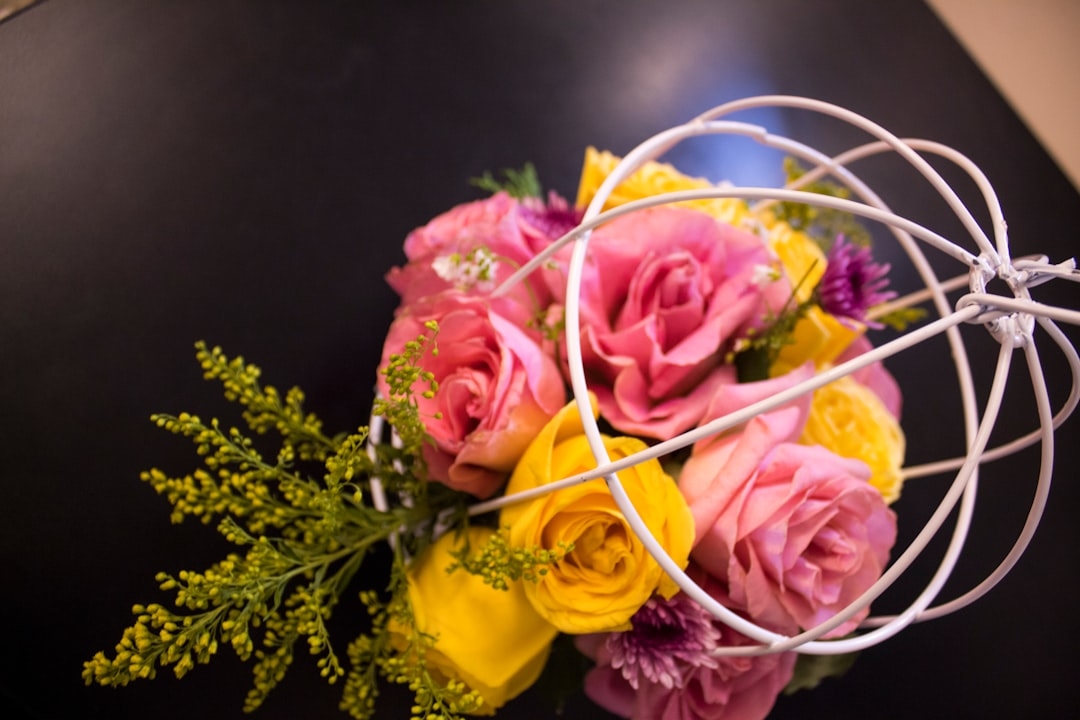
Picture a table awash with peonies, sweet peas, and rambling vines–soft, scented chaos spilling from a hand-thrown vase. English garden style flower arranging isn’t just about filling containers. It’s an attitude, as natural and artful as the gardens of the Cotswolds themselves. In 2026, this wild-yet-elegant look is everywhere: wedding Pinterest boards, boutique hotel lobbies, and even your corner grocery’s flower aisle.
What Is English Garden Style Flower Arranging? (Direct Answer)
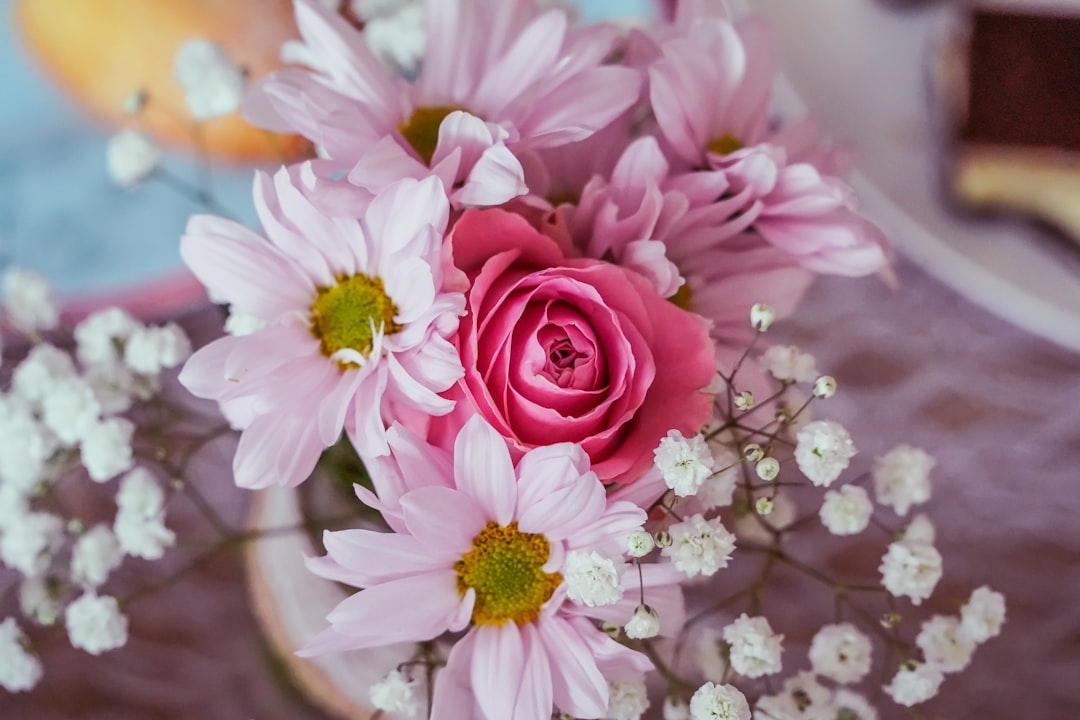
English garden style flower arranging is a loose, naturalistic design approach focused on creating arrangements that mimic the untamed, organic beauty of traditional English country gardens. These arrangements typically feature:
- Mixed seasonal blooms, often with old-fashioned or heirloom varieties such as roses, peonies, and foxglove.
- Abundant greenery and trailing vines for movement and softness.
- Unstructured, asymmetrical shapes–no rigid lines or tight clusters.
- A variety of heights, textures, and colors in a single arrangement.
The goal is effortless elegance–flowers appear gathered straight from the garden, rather than forced into rigid, formal shapes.
The Roots of English Garden Arranging
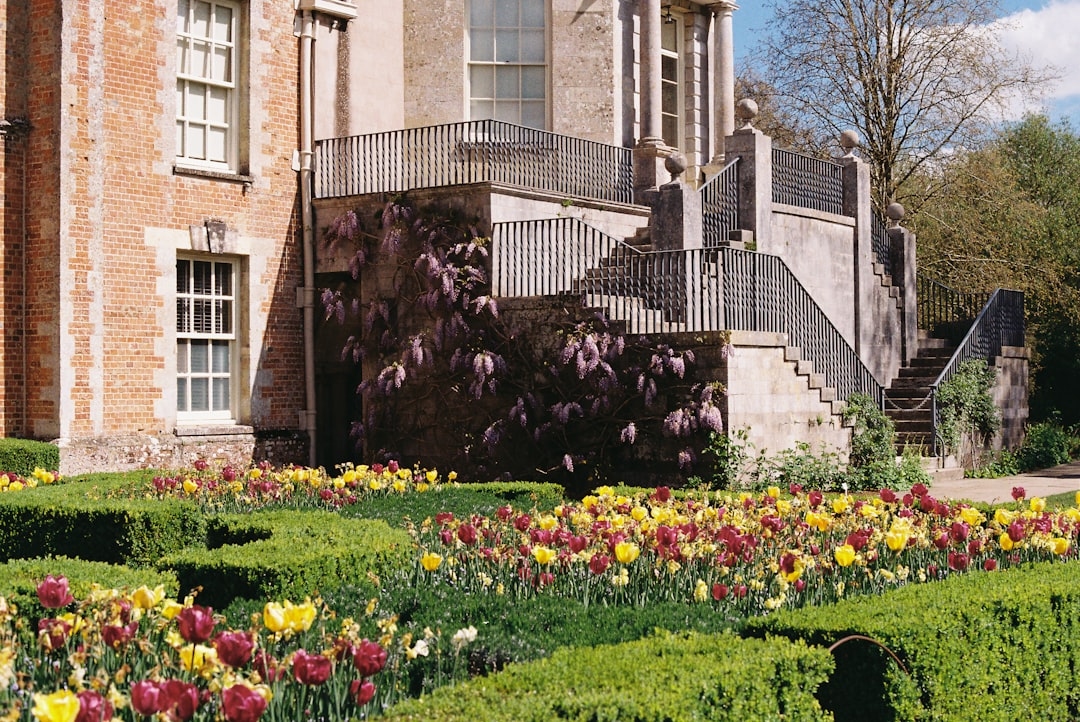
The English garden aesthetic traces its origins to the 18th and 19th centuries, when aristocrats traded formal, geometric parterres for sprawling, romantic landscapes. This shift was more than aesthetic: it reflected a love affair with nature itself.
A Little History
Early English floral designers like Constance Spry (1886-1960) revolutionized the craft with unorthodox materials and arrangements that seemed to burst and spill rather than stand to attention. Spry’s work for Queen Elizabeth II in the 1950s put her wild compositions on the map–she famously used hedgerow plants, rhubarb leaves, and whatever else caught her fancy. Today, florists such as Sarah Winward and Erin Benzakein (Floret Flower Farm) channel this same philosophy, updating it for modern tastes.
Floristry Fact: According to the American Institute of Floral Designers, demand for “garden-inspired” bouquets in the US rose by 34% between 2020 and 2025–a trend fueled in part by social media.
Key Ingredients: Flowers and Foliage
No two English garden arrangements are alike, but certain elements reappear for good reason: they’re classic, reliable, and distinctly British in origin or spirit.
Essential Blooms
- Roses: Especially old garden types–think David Austin’s ‘Juliet’ or ‘Patience’, both widely available in the US at around $7-$10/stem wholesale.
- Peonies: Lush, fragrant, and available May-June. American growers in Oregon and Alaska now rival imports.
- Delphiniums: Towering blue spikes for height.
- Foxglove, Sweet Pea, Ranunculus, and Larkspur: For delicacy and texture.
Pro tip (via Lauren McNeill, Master Florist and owner of Nashville’s Petal & Stem): “In 2026, we’re seeing more US-grown garden roses and native greens, which means fresher product and lower costs for clients.”
Foliage and Fillers
- Eucalyptus: Out of favor in English tradition but a US staple for fragrance and trailing drama.
- Clematis vines, Olive branches, Ferns, and Ivy: Lend wild, wandering lines.
- Mock orange and Viburnum: For frothy, cloud-like shapes in spring.
Pull-quote:
“English garden style lets flowers sing in their own voices–I just create the chorus.”
– Lauren McNeill, Petal & Stem
The Secret Sauce: Shape, Movement, and Placement
Structured bouquets belong to the past. The English garden method is all about embracing imperfection.
How to Achieve That Fresh-Gathered Look
- Build in Layers: Start with the largest, most structural stems, like garden roses or peonies.
- Add Texture: Layer in delicate blooms–sweet pea, larkspur, hellebore.
- Go Asymmetric: Avoid perfect domes. Let some stems arc out or dangle naturally.
- Let Foliage Roam: Don’t trim every leaf; allow plenty of airy green or vine to “drip” over the edges.
Florist’s Trick: Use chicken wire or a reusable floral (compostable) frog inside vases to hold stems at odd angles–oasis foam is out of favor for sustainability reasons.
Table: English Garden vs. Modern European vs. Traditional American Arranging
| Aspect | English Garden Style | Modern European | Traditional American |
|---|---|---|---|
| Shape | Loose, asymmetrical | Geometric, architectural | Symmetrical, rounded |
| Focal Flowers | Heirloom, seasonal | Exotic, statement blooms | Roses, lilies, carnations |
| Foliage Use | Abundant, often trailing | Minimalist, structural | Moderate, compact |
| Typical Colors | Pastels, soft bright mixes | Monochrome or bold blocks | Patriotic or bold mixes |
| Mechanics | Chicken wire, frogs | Grids, pin holders | Floral foam |
| Vase/Vessel | Ceramic, glass, vintage | Minimal, modern | Traditional, glass |
| Eco-Friendliness | High | Medium | Low |
Sourcing English Garden Flowers in the US
You don’t need to ship roses from Kent or peonies from Paris. By 2026, American flower farms and delivery services offer extensive options for the English garden look.
Where to Buy (and What to Ask For)
- Local Florists: Many now source regionally grown garden varieties. Ask for “garden style” or “blousy” arrangements.
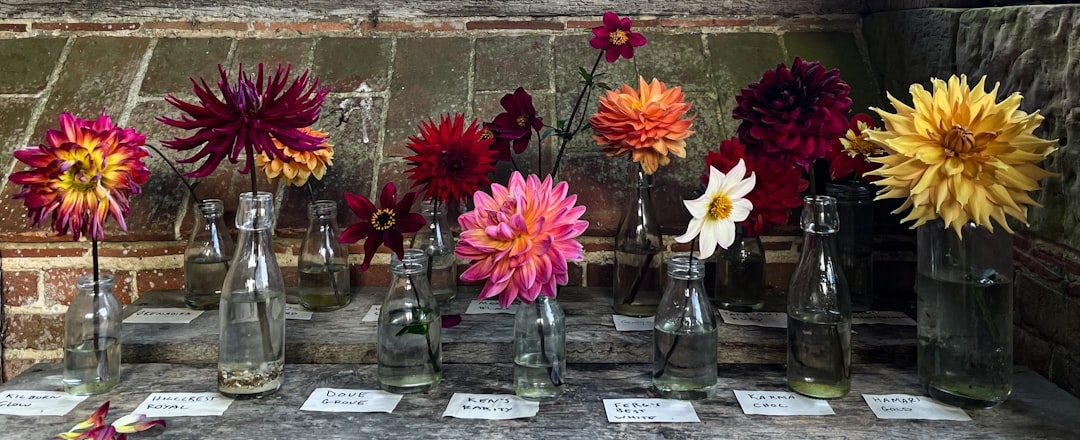
- Farmer’s Markets: Spring through fall, growers in California, Oregon, Washington, and New York offer sweet peas, dahlias, zinnias, and more.
- Online Delivery:
- The Bouqs Co.: Features US-grown “garden party” mixes, from $64 for a medium bouquet.
- UrbanStems: Search “cottagecore” or “pastel wildflowers” for arrangements inspired by English gardens.
- Farmgirl Flowers: Known for lush, “just-picked” style and sustainable packaging.
Insider Data: According to Flower Trends Forecast 2026, over 47% of US weddings now request “English or garden-inspired floral design”–up from just 13% in 2018.
Seasonal Shopping Tip
The best time for peak variety is late April through June. For winter events, look to camellia, hellebore, and forced branches for a similar abundant effect.
DIY: Arranging English Garden Flowers at Home
Arranging your own flowers isn’t hard–it just takes the right material and a forgiving eye.
Gather Your Tools
- Clippers or sharp shears
- A medium or large footed vase, pitcher, or bowl
- Chicken wire or a reusable pin frog
- Fresh water, changed daily
Step-by-Step Guide
- Prep Your Vessel: Shape chicken wire into a loose ball and place in the vase. Fill with water.
- Begin with Greenery: Crisscross stems of ivy or olive to create your base.
- Add Main Flowers: Insert focal blooms at staggered heights.
- Work in Layers: Fill in gaps with secondary flowers–ranunculus, delphinium, sweet pea.
- Adjust for Looseness: Step back and let the arrangement breathe. Don’t overstuff; negative space is your friend.
Average cost for a DIY English garden arrangement: $60-$100 for a medium table centerpiece using US market prices in 2026, depending on season and location.
Troubleshooting: Common Mistakes (and How Pros Fix Them)
- Too Tight? Remove a few stems. Let greens drape out of the container.
- Lopsided? Add a tall, airy stem on the opposite side.
- Dull Color? Mix in different greenery–try seeded eucalyptus or variegated pittosporum for interest.
- Droopy Flowers? Recut stems at an angle and refresh water. Some delicate blooms (like sweet peas) just don’t last more than 2-3 days–even for pros.
FAQ: English Garden Style Flower Arranging
What defines English garden style flower arranging?
English garden style flower arranging is characterized by loose, unstructured designs that combine seasonal, often heirloom or wild-looking flowers with abundant greenery. The arrangements mimic the feel of natural country gardens, using varied heights, colors, and textures for a romantic, effortless look.
Can I achieve English garden style using grocery store flowers?
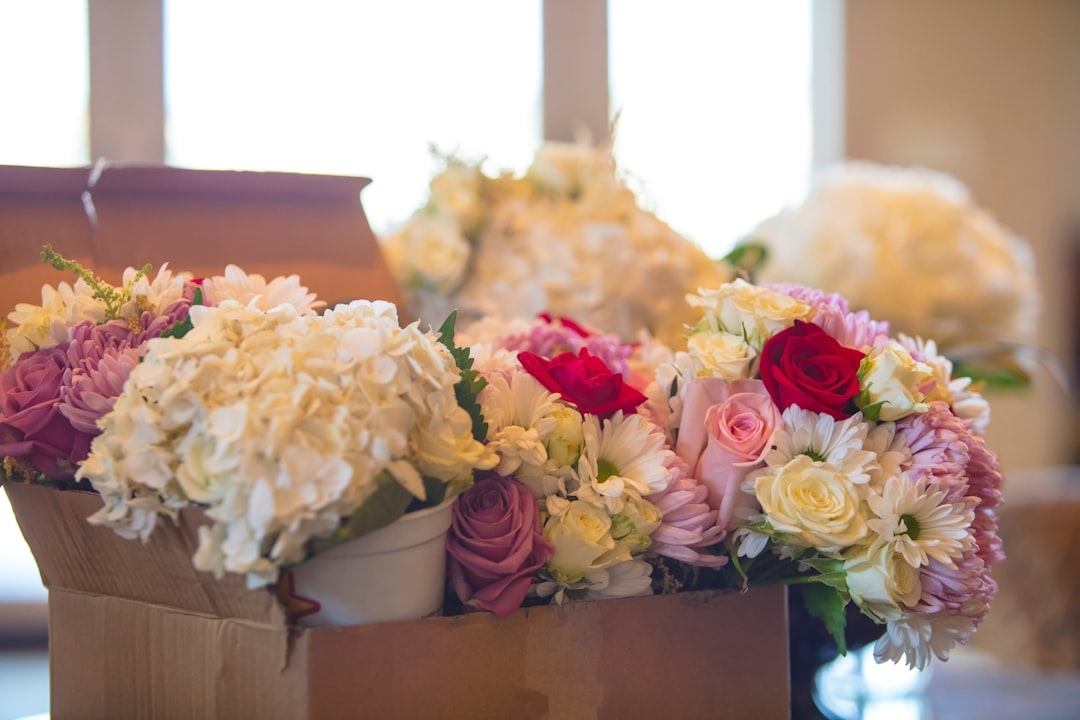
Yes, although it’s best to hunt for mixed bouquets with roses, hydrangea, and plenty of greenery. Supplement with fresh herbs (like mint or basil) and foraged branches for an authentic touch.
How long do English garden style arrangements last?
Most garden-style designs last 4-7 days, depending on the flowers used. Roses and peonies hold up well, while delicate blooms like sweet peas and ranunculus may only last 2-3 days. Changing water daily and recutting stems helps prolong freshness.
What is the best vase or container for English garden arrangements?
Vessels with wide openings, like ceramic pitchers, glass compotes, or vintage bowls, work best. Avoid tall, narrow vases–they restrict the natural movement of stems.
Are English garden arrangements suitable for weddings and events?
Absolutely. In 2026, they’re among the most requested looks for US weddings and garden parties, thanks to their romantic, relaxed style that photographs beautifully.
Inspired to bring a bit of wild elegance to your own table, or give your next gathering a “secret garden” vibe? Head to your local flower stand or delivery app; try experimenting with unexpected combinations and a light hand. Every arrangement is a chance to create your own piece of English countryside–right here in the States.