Contents:
- Is It Okay to Give Flowers to Your Therapist? (Direct Answer)
- The Professional Perspective: What Do Therapists Say?
- Gifts and Boundaries
- Common Policies Among US Therapists
- Why Clients Want to Give Flowers
- Expressing Gratitude
- Marking Closure or Transition
- Symbolic Meaning
- The “Weirdness” Factor: Social Norms & Awkwardness
- Is It Socially Acceptable or Out of Place?
- When Does It Feel “Off”?
- Practical Tips: How to Give Flowers to Your Therapist (Without Awkwardness)
- Consider The Setting and Context
- Timing Matters
- Flower Choices and Presentation
- Add a Note–Or Don’t
- Be Open to the Therapist’s Response
- The Therapist’s Perspective: Processing Gifts in the Room
- US Flower Gifting Etiquette: How Therapists Compare to Other Professions
- The Business Side: What Flower-Delivery Services Say
- FAQ
- Can I send flowers anonymously to my therapist?
- Are there any types of flowers I should avoid giving to my therapist?
- Is it better to give a card or flowers?
- Do therapists ever feel uncomfortable receiving flowers?
- Can my therapist accept flowers if they work at a hospital or clinic?
- What’s Next? How to Honor Your Therapeutic Journey
Flowers to Your Therapist: Allowed or Weird?
A patient once showed up at a New York City therapist’s office clutching a bouquet of sunflowers, her hands trembling just a bit. “No client had ever brought me flowers before,” recalls Dr. Eliana Morris, PhD, a licensed psychologist with over 20 years of experience. “She said the flowers reminded her of hope. But she worried: Was it appropriate?”
That moment–meaningful, awkward, a little confusing–is surprisingly common. The etiquette of giving flowers to your therapist is rarely discussed openly, yet it stirs up big questions about boundaries, gratitude, and professionalism in mental health care.
Is It Okay to Give Flowers to Your Therapist? (Direct Answer)
Yes, you can give flowers to your therapist, but it depends on your intent, the therapeutic relationship, and your therapist’s policies.
Most American therapists are trained to handle small, non-monetary gifts–like flowers–especially if they’re given as a gesture of appreciation or symbolic closure. However, some may decline gifts to maintain professional boundaries, or ask to process the gesture together.
The Professional Perspective: What Do Therapists Say?
Gifts and Boundaries
In the US, the American Psychological Association’s (APA) Ethics Code doesn’t explicitly forbid small gifts from clients. Instead, it encourages therapists to consider whether accepting a gift would “impair their objectivity, competence, or effectiveness.” That means a $20 bouquet from Trader Joe’s is viewed differently than an expensive vase or luxury item.
Dr. Robin Caldwell, LCSW, explains:
“I’ve received flowers a handful of times, usually at the end of a long treatment. The gesture is touching, but I always talk with clients about why they’re giving them–to make sure we’re not crossing any lines.”
Therapists may see flowers as:
- A symbol of gratitude
- A cultural or traditional gesture
- A way to mark the end of treatment or a milestone
But some therapists, especially in large clinics or institutions, may be required to decline any gifts–flowers included.
Common Policies Among US Therapists
A 2023 survey by Therapy Insights found:
- 61% of US therapists said they would accept flowers if given at termination or during a significant transition
- 24% would politely decline, citing office policy
- 15% said they’d always accept as long as the value felt modest and intent was clear
Why Clients Want to Give Flowers
Expressing Gratitude
In American culture, flowers have always been a go-to “thank you.” They’re less personal than a handwritten note, but less transactional than a gift card. For some, picking out irises or daisies at Whole Foods feels both heartfelt and safe.
Marking Closure or Transition
Clients often want to commemorate the last session or a breakthrough–the way one might give flowers to a teacher on the last day of school. Dr. Morris notes, “Rituals and tokens, like flowers, help people mark endings and transitions. It’s a psychological need.”
Symbolic Meaning
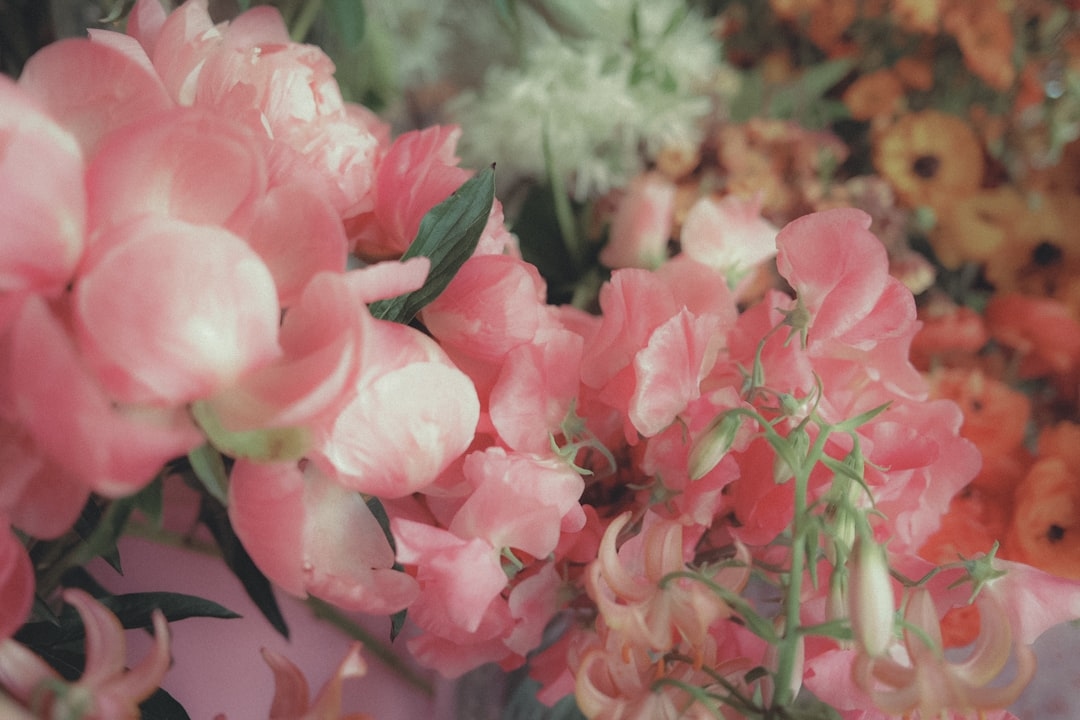
Every flower tells a story. Peonies for healing. Daffodils for new beginnings. Sunflowers for hope and warmth. The symbolism can feel powerful for clients who’ve worked through something big in therapy.
The “Weirdness” Factor: Social Norms & Awkwardness
Is It Socially Acceptable or Out of Place?
Giving flowers to a therapist isn’t standard practice in the US. You won’t find it on psychology boards or in pop culture. But nor is it taboo or “weird” by definition. Instead, it exists in a gray area–unexpected, but meaningful when done thoughtfully.
How Different Situations May Feel
| Situation | Social Perception | Therapist Likely Reaction |
|---|---|---|
| End of long-term therapy | Thoughtful, appropriate | Gratitude and discussion |
| After a tough breakthrough | Touching, possibly emotional | Curiosity, gentle processing |
| Early in therapy | Potentially confusing | Questions about intent |
| Extravagant arrangement | Overstepping boundary | Likely to decline/explore |
| Simple mixed bouquet | Generally acceptable | Likely to accept/discuss |
When Does It Feel “Off”?
- Very early in treatment: May feel like boundary-testing or too personal.
- Expensive or frequent gifts: Risk of overstepping professional lines.
- Romantic or ambiguous notes: Can cause ethical concerns.
Therapist’s tip: If you’re not sure, ask directly. “I had a client say, ‘Would it be weird if I brought you flowers?’ That opened the door for a real conversation,” Dr. Caldwell says.
Practical Tips: How to Give Flowers to Your Therapist (Without Awkwardness)
Consider The Setting and Context
- Independent/private practices: More flexibility with small gifts or gestures.
- Institutions/clinics: Policies may restrict all gifts, even non-monetary ones.
Timing Matters
- Best received at the end of treatment, before a long break, or after a major milestone.
- Avoid giving too soon, or in ways that could be misinterpreted.
Flower Choices and Presentation
- Stick with classic bouquets–think sunflowers, daisies, mixed wildflowers.
- Skip anything overly romantic (red roses, for example).
- No elaborate arrangements; keep it modest (under $25 is a good guideline).
Short List: Good Flower Choices
- Sunflowers (positivity, hope)
- Mixed wildflower bouquets (casual, friendly)
- Daisies (innocence, sincerity)
- Lavender (calm, healing)
- Peonies (healing, compassion)

Add a Note–Or Don’t
A short, simple note is fine. Avoid deeply personal declarations. Something like, “Thank you for your guidance” is perfect.
Be Open to the Therapist’s Response
Your therapist may accept, decline, or suggest discussing the gesture’s meaning. All of these are normal–and part of therapy’s trusted space.
The Therapist’s Perspective: Processing Gifts in the Room
Therapists often view gifts as rich material to explore with clients. According to Dr. Michael Benitez, LMFT:
“How a person gives or receives can reveal so much about their relationships and expectations.”
- If a therapist accepts the flowers: They’ll likely invite you to reflect on the gesture in a session. What led you to it? How does it feel for you?
- If a therapist declines: Most will explain it’s not about you–it’s about upholding professional norms and fairness among all clients.
This isn’t meant to embarrass or reject you. Instead, it’s a chance to explore themes like gratitude, boundaries, and expectations together.
US Flower Gifting Etiquette: How Therapists Compare to Other Professions
Sending flowers is common across many American contexts–teachers, nurses, mentors, doctors at retirement. But therapists are unique:
| Recipient | Flower Gifting Tradition | Boundaries Concerns? | Typical Range |
|---|---|---|---|
| Teachers | Very common | Low | $10-$30 bouquets |
| Medical doctors | Rare, but sometimes | Some, but less strict | $20-$50 |
| Therapists | Uncommon; mixed | High | $10-$25 |
| Clergy | Modest arrangements | Low | $10-$30 |
Therapists are the only group with explicit boundary guidance from licensing boards and insurance policies.
The Business Side: What Flower-Delivery Services Say
Florists and delivery services like 1-800-Flowers, UrbanStems, and Bouqs report a small but steady trickle of orders each month for “counselor” or “therapist” recipients. Most purchases peak in June and December (school year end and holidays), often accompanied by messages like “Thank you for your support this year.”
In 2025, UrbanStems reported:
- Only 0.5% of all flower orders were addressed to mental health professionals
- Average spend: $23.50
- Most popular: mixed bouquets and sunflowers
FAQ
Can I send flowers anonymously to my therapist?
You can, but most therapists prefer transparency in your therapeutic relationship. An anonymous gift may create confusion or distract from open communication. If you want to show gratitude while maintaining privacy, a heartfelt card is a safer bet.
Are there any types of flowers I should avoid giving to my therapist?
Avoid overtly romantic flowers like red roses, or any arrangement that could be misconstrued. Steer clear of large, expensive bouquets or anything with strong scents, as some therapists (and their next clients) may be sensitive to fragrance.
Is it better to give a card or flowers?
Both can be meaningful, but cards are more common and less likely to stir up boundary questions. If unsure, a simple, sincere card is a classic option and always welcomed. Some therapists keep a “thank you” drawer of cards from clients.
Do therapists ever feel uncomfortable receiving flowers?
Sometimes–especially if the gesture is unexpected, overly expensive, or happens early in therapy. Seasoned therapists use these moments as opportunities for conversation and reflection, not judgment.
Can my therapist accept flowers if they work at a hospital or clinic?
Institutions often have stricter policies. Many hospital-based therapists are required to decline all gifts, including flowers. If your therapist works in such a setting, ask first or opt for a thank-you note instead.
What’s Next? How to Honor Your Therapeutic Journey
Feeling grateful to your therapist is a sign that real healing or growth has happened. Flowers can be a lovely gesture–but so can words. Next time you’re moved to say “thank you,” consider how you feel most comfortable expressing it (flowers, a note, leaving a glowing review, or even referring a friend). And if you’re still not sure? Just ask. Therapy is a rare place where questions about the relationship itself are never “weird”–they’re part of the work.
One final note: If you end up carrying that bouquet into your therapist’s office, hold your head high. Every flower tells a story, and sometimes, that’s exactly what therapy is for.