Contents:
- Do Rainbow Roses Actually Exist? (Featured Snippet)
- How Florists Create Rainbow Roses
- The Step-by-Step Process
- How Much Do Rainbow Roses Cost in the US?
- Real vs. Fake: Are There Naturally Rainbow-Colored Roses?
- Why Can’t Nature Make Rainbow Roses?
- Rainbow Roses vs. Traditional Dyed Roses: What’s the Difference?
- Are Rainbow Roses Safe and Long-Lasting?
- Toxicity and Allergen Concerns
- Vase Life
- Where to Buy Rainbow Roses in the US (2026 Update)
- Why Are Rainbow Roses So Popular in the US?
- Social Media Fuel
- Emotional Appeal
- Pull-Quote
- FAQ: Rainbow Roses (2026)
- Are rainbow roses real flowers or completely artificial?
- Are rainbow roses safe for pets and children?
- How long do rainbow roses last?
- Can I make rainbow roses at home?
- Why are rainbow roses more expensive than regular roses?
- Ready to Try Rainbow Roses Yourself?
Rainbow Roses – Real or Fake Explained
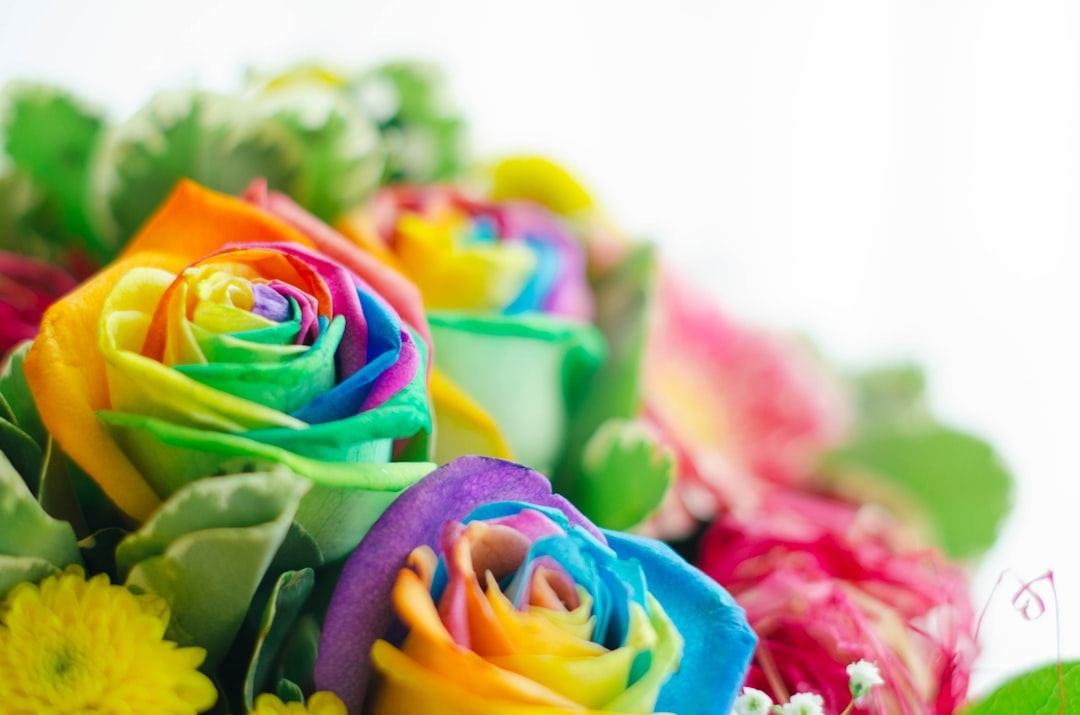
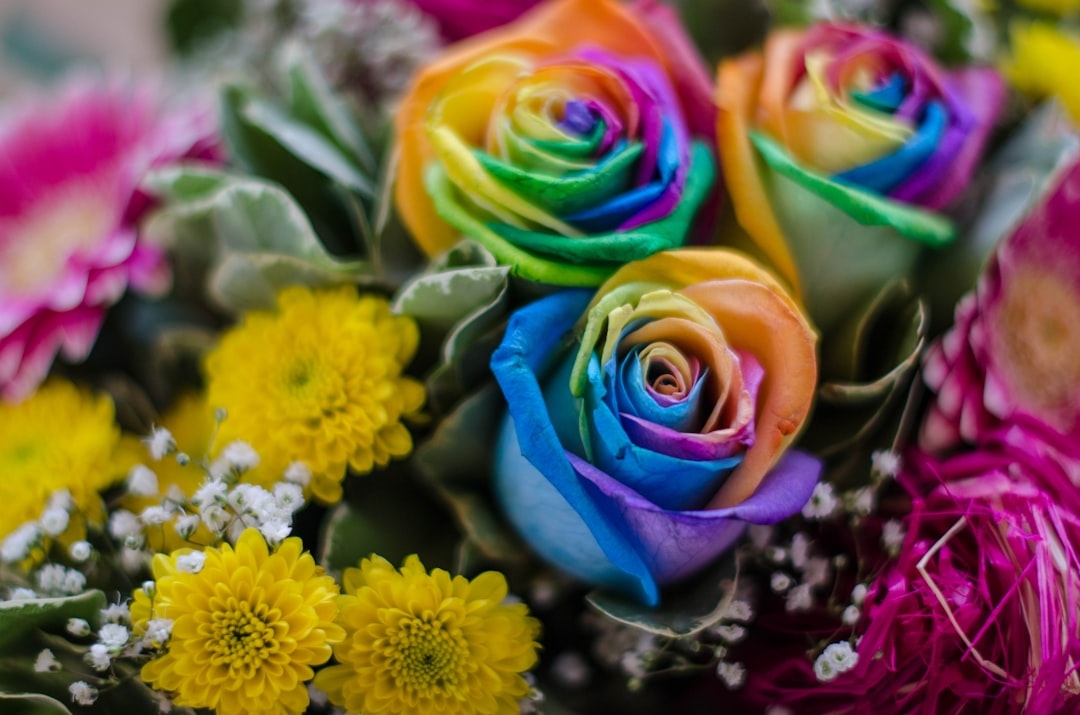
When scrolling through Instagram, you spot a kaleidoscope of colors spiraling across delicate rose petals: teal, orange, violet, green, sunshine yellow–all on a single bloom. The “rainbow rose” has become a viral favorite for birthdays, graduations, and even proposals. But is this botanical marvel plucked straight from nature, or is it simply a florist’s clever illusion dressed up for the Gram? Here’s the inside scoop, rooted in solid horticultural science, a dash of florist’s ingenuity, and more than a bit of American market flair.
Do Rainbow Roses Actually Exist? (Featured Snippet)
Rainbow roses are not naturally occurring flowers but real roses that have been artificially colored using a special dyeing process. Florists split the stem of a white or cream rose and dip each part into different colored water. As the rose drinks, the dye travels up each channel, coloring the petals in vivid swathes. The result looks magical–but it’s a man-made art, not a product of natural genetics.
How Florists Create Rainbow Roses
Ask around at your favorite flower shop–1-800-Flowers, UrbanStems, and local boutiques from New York to Los Angeles–and most will say the same: rainbow roses start with a white variety, often a ‘Vendela’ rose due to its robust petals and vase life.
The Step-by-Step Process
- Select sturdy white roses (the lighter, the better for color vibrancy).
- Split the stem vertically into 3, 4, or even 6 sections with a sharp knife.
- Prepare cups or tubes each filled with water and a brightly colored food-safe dye. Florists like FloraCraft recommend gel-based food coloring for intense hues.
- Place each stem section into a different colored cup.
- Wait 24-48 hours–the magic happens as capillary action pulls the pigments into the petals, creating segments of pink, blue, orange, and more.
Chris Delgado, owner of Chicago’s “Rainbow Blooms” and a floral designer for 15 years, says,
“The most vibrant rainbow roses use at least four colors, with the dye set overnight for that saturated, Instagram-ready pop.”
How Much Do Rainbow Roses Cost in the US?
As of 2026, a single rainbow rose can fetch between $10-$15 retail, while a bouquet of a dozen often retails for $80-$120, plus delivery fees. This is about 2-3x the price of standard long-stem red roses–largely due to the labor involved and their novelty status.
Real vs. Fake: Are There Naturally Rainbow-Colored Roses?
Here’s the blunt truth: no naturally occurring rainbow roses exist anywhere on Earth. Roses come in a dazzling spectrum thanks to centuries of horticultural breeding–deep reds, blushing pinks, sunshine yellows, even almost black maroons. But not blue, green, or multi-hued in a single flower.
Why Can’t Nature Make Rainbow Roses?
- Rose genetics: The pigment pathways in roses (anthocyanins, carotenoids) just don’t allow for blue or true green pigmentation.
- No genetic ‘rainbow’ variety: Even after decades of breeding and gene-editing, as of 2026, the closest science has gotten is blue-tinged roses like Suntory’s ‘Applause’, which hit the Japanese market in 2009 for $10/stem–but never all the colors at once.
Quick Fact:
The American Rose Society, a governing body since 1892, has never registered a naturally multicolored “rainbow rose.”
Rainbow Roses vs. Traditional Dyed Roses: What’s the Difference?
| Feature | Rainbow Roses | Dyed Single-Color Roses |
|---|---|---|
| Stem Preparation | Split into multiple channels | Not split |
| Color Distribution | Multiple colors per petal | One color per entire bloom |
| Process Length | 24-48 hours | 6-24 hours |
| Visual Impact | Multi-hued, striking pattern | Uniform vivid color |
| Price (2026 avg) | $10-$15 per stem | $4-$7 per stem |
Standard dyed roses–think blue, black, or lavender–bathe the entire bloom in a single hue. Rainbow roses are all about segmentation, with each petal or section showing a different burst of color.
Are Rainbow Roses Safe and Long-Lasting?
Toxicity and Allergen Concerns
Florists in the US use FDA-approved, food-safe dyes to color rainbow roses. According to Dr. Laura Meeks, PhD in Horticulture from Texas A&M,
“The dyes used in most American flower shops are non-toxic and safe to handle, though they’re not intended for consumption or pets.”
Vase Life
Rainbow roses last about as long as other fresh-cut roses: typically 5-7 days, sometimes up to 10 with floral preservatives and clean water. The dyeing process can sometimes stress the flower, so longevity may be a day or two less than undyed roses.
Where to Buy Rainbow Roses in the US (2026 Update)
Online stores: Amazon Fresh, 1-800-Flowers, UrbanStems, and Bouqs list rainbow roses as a premium product, especially leading up to holidays. As of June 2026, UrbanStems’ “Spectra” bouquet of six rainbow roses sells for $59, next-day delivery across most US metro areas.
Florist shops: Many local florists will create custom rainbow arrangements on request if given 2-3 days’ notice.
Supermarkets: Occasionally available at specialty grocers (e.g., Whole Foods in major cities), but usually as singles or small bunches priced at a premium.
Why Are Rainbow Roses So Popular in the US?
Social Media Fuel
Rainbow roses have blown up on TikTok and Instagram–the hashtag #rainbowroses had 13 million views in May 2026. They’re popular as statement gifts for:
- Birthdays and Sweet 16s
- LGBTQ+ celebrations (especially Pride Month)
- Graduation parties and proms
- Weddings seeking a “wow” bouquet
Emotional Appeal
A rainbow rose feels like a surprise–a floral version of “all your favorite colors at once.” For Gen Z and younger millennials, these aren’t just flowers; they’re a vibe, a mood, a conversation starter.
Pull-Quote
“Rainbow roses don’t grow in the wild, but their power to light up a celebration is the real deal. There’s no fake feeling about the joy they spark.”
– Maya Carter, Certified Floral Designer, Seattle
FAQ: Rainbow Roses (2026)
Are rainbow roses real flowers or completely artificial?
Rainbow roses are real, natural roses that have been artificially colored using dye and water. The rainbow effect is not natural but is created by splitting and dyeing the stems.
Are rainbow roses safe for pets and children?
While the dye is typically food-grade and non-toxic, these flowers are not meant for consumption by pets or kids. Handling is safe, but keep rainbow roses out of reach if you have pets that like to chew plants.
How long do rainbow roses last?
With proper care, rainbow roses last 5-7 days, similar to standard roses. Using fresh water and flower food can help extend vase life by a day or two.
Can I make rainbow roses at home?
Yes! With white roses, sharp scissors, food coloring, and patience, you can create your own rainbow roses at home. Just remember, the process takes 24-48 hours and can be a bit messy.
Why are rainbow roses more expensive than regular roses?
Labor and novelty. The process of splitting stems and dyeing each segment is hands-on and time-consuming, and demand for these unique flowers drives prices up, especially around holidays.
Ready to Try Rainbow Roses Yourself?
Order a bouquet, or try dyeing your own for a science-meets-art DIY project. If you’re shopping for a unique birthday, a Pride celebration, or want to wow someone with something they haven’t seen on every corner–in 2026, rainbow roses are still trend-proof. And while nature may never grow a true rainbow on a single stem, American florists are more than happy to deliver a little magic, one colorful bloom at a time.