Contents:
- What Are Calla Lilies? (Quick Answer)
- Calla Lily Origins and Symbolism
- The Journey from Swamps to Centerpieces
- What Do Calla Lilies Symbolize?
- Types and Colors: A Visual Tour
- How to Grow Calla Lilies in the US
- Outdoor and Indoor Success
- Calla Lilies in Floristry: US Market Trends
- Why Florists Favor Callas
- Typical Pricing and Availability
- Tips for Arranging and Caring for Cut Calla Lilies
- Arranging Tricks
- Display Ideas
- Common Problems and Solutions
- Wilting or Mushy Stems
- Pest and Disease Issues
- Toxicity Warning
- Frequently Asked Questions about Calla Lilies
- How long do cut calla lilies last?
- Are calla lilies safe for pets?
- Can calla lilies survive winter outdoors in the US?
- What colors do calla lilies come in?
- Are calla lilies expensive?
- Ready to Try Calla Lilies?
Everything You Need to Know About Calla Lilies
Florists call them the “couture” bloom–sleek, sculptural, and always camera-ready. Step into almost any wedding or modern floral display in the US, and you’ll spot calla lilies. But these elegant flowers aren’t just for high-profile events. With their surprising history, rich symbolism, and easy-care nature, calla lilies have earned a devoted following from home gardeners to professional florists across America.
What Are Calla Lilies? (Quick Answer)
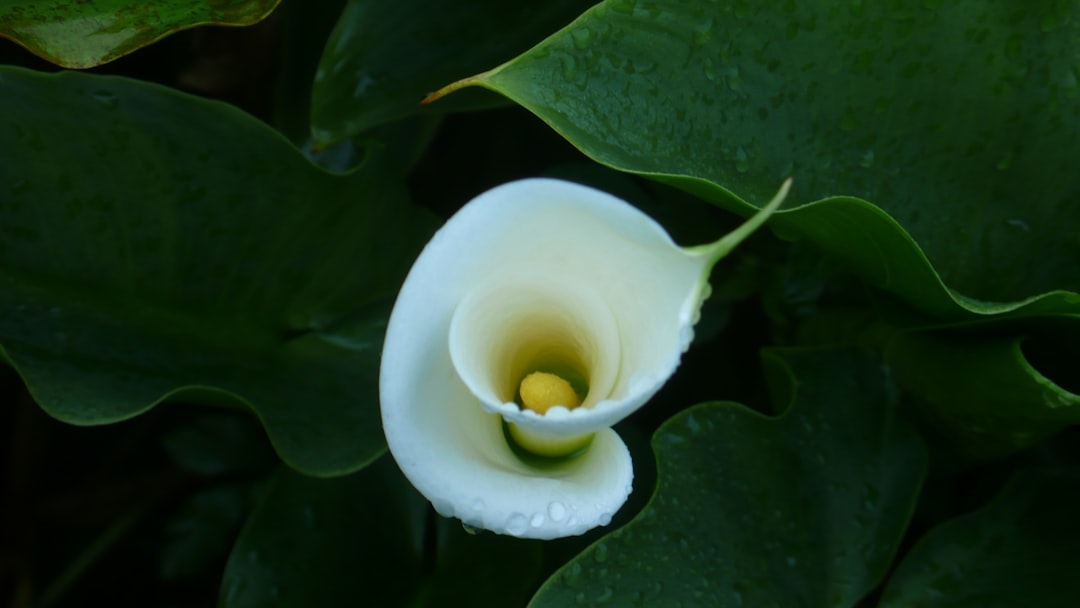
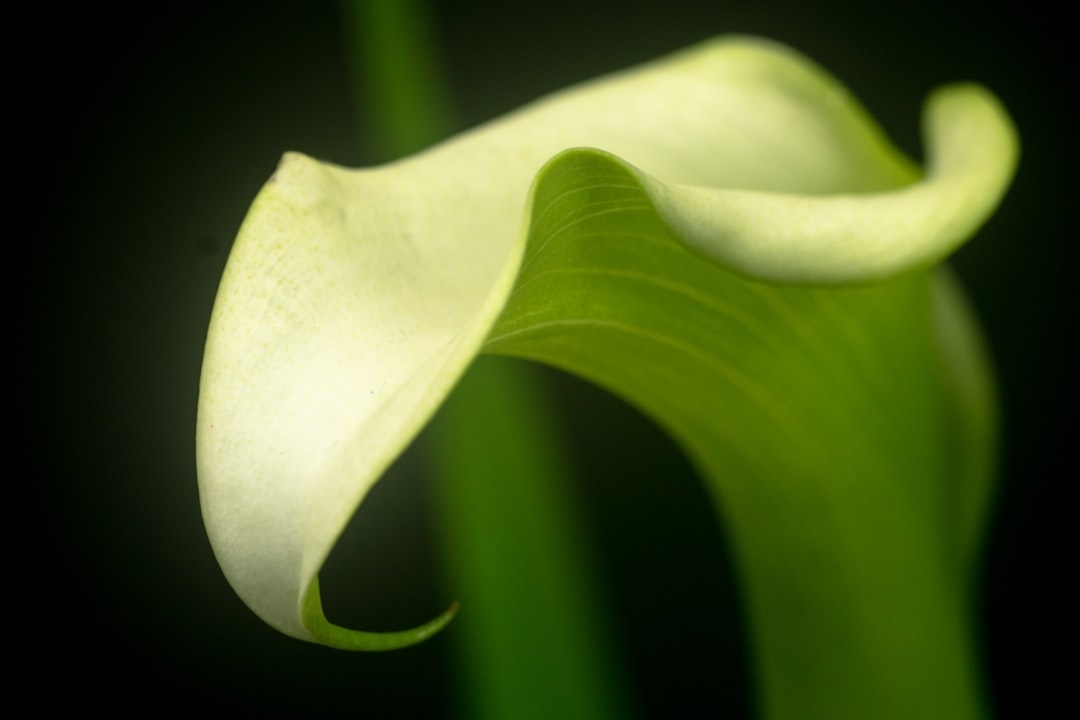
Calla lilies (Zantedeschia spp.) are not true lilies, but herbaceous plants native to southern Africa, valued for their trumpet-shaped flowers and sturdy stems. Available in white, pink, yellow, purple, orange, and even near-black, they’re a top pick for weddings, bouquets, and gardens alike. In the US, calla lily stems typically cost between $4-$8 each at florists, and potted plants are widely available from retailers like Trader Joe’s, The Sill, and local nurseries.
Calla Lily Origins and Symbolism
The Journey from Swamps to Centerpieces
Calla lilies have traveled continents and centuries. In nature, Zantedeschia species thrive in the marshes of South Africa. European botanists first catalogued them in the 17th century, and by the 1920s, callas were showing up on American shores, thanks to passionate plant collectors. They quickly found favor with US brides and decorators for their sculptural beauty and stunning longevity.
What Do Calla Lilies Symbolize?
Few flowers carry as much layered meaning:
- Purity and Innocence: White callas are popular in US wedding bouquets for this very reason.
- Resurrection and Rebirth: Their late spring bloom and simple shape made them a favorite for Easter floral designs.
- Feminine Power: In art, from Georgia O’Keeffe paintings to 1930s Vogue covers, callas evoke strength and sensuality.
“No other flower manages that perfect mix of strength and softness quite like a calla lily.”
– Jacqueline Markham, Creative Director at Modern Stems Floral Studio, Seattle
Types and Colors: A Visual Tour
The idea of “calla lily” conjures up images of classic white spathes. But these days, US growers cultivate at least a dozen eye-catching shades and hybrids.
| Type | Color Range | Bloom Size | Typical Use |
|---|---|---|---|
| Zantedeschia aethiopica | Pure white | Large (4-6”) | Weddings, arrangements |
| Zantedeschia rehmannii | Pink to lavender | Small/medium | Bouquets, gardens |
| Zantedeschia elliottiana | Yellow to gold | Medium | Cut flowers, patios |
| Designer hybrids | Deep purple, orange, black | Small/med | Dramatic displays |
Modern breeding programs, like those at Ball Horticultural Company (Illinois) and Kapiteyn (California), have introduced marbled foliage and bolder color saturation since 2015.
How to Grow Calla Lilies in the US
Outdoor and Indoor Success
Hardiness:
In the US, calla lilies are perennial in USDA Zones 8-10. Gardeners in colder zones (as far north as Minnesota or Maine) grow them as annuals or overwinter tubers indoors.
Planting Instructions:
- Choose a site with filtered sun or morning light.
- Plant rhizomes 4” deep in moist, well-draining soil.
- Water consistently; never let the soil dry out fully during growing season.
- Fertilize monthly with a balanced 10-10-10 formula.
Indoor Tips:
Grow in pots near bright, indirect light. Water when the top inch of soil feels dry, but avoid soggy roots. Popular US houseplant retailers (e.g., The Sill, Costa Farms) rate calla lilies as “moderately easy” for beginners.
Blooms:
Expect flowers from May through July, though timing varies by region. Each stem lasts 7-10 days in a vase.
Calla Lilies in Floristry: US Market Trends
Florists love callas for their longevity and unmistakable silhouette. According to the Society of American Florists’ 2026 report, calla lilies ranked #3 in popularity for wedding work–just behind roses and peonies.
Why Florists Favor Callas
- Stem strength: Perfect for tall, statement arrangements.
- Color range: Fits both classic and modern palettes.
- Year-round availability: Thanks to greenhouses in California and imported blooms from Ecuador.
Typical Pricing and Availability
- Single stems (2026): $4-$8 at boutique US florists.
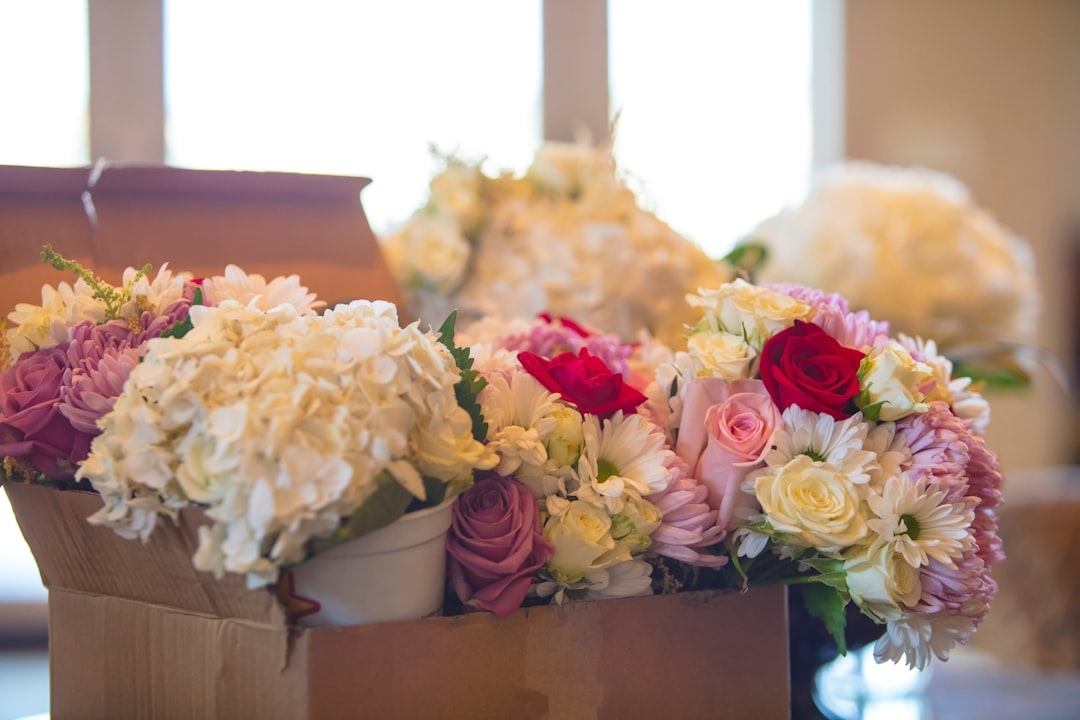
- Bulk orders: Online at FiftyFlowers, Blooms By The Box, and Sam’s Club–expect $110-$200 for a box of 60 stems.
- Potted plants: $12-$25 at retailers like Trader Joe’s, Lowe’s, and local nurseries in spring.
Tips for Arranging and Caring for Cut Calla Lilies
Callas are among the longest-lasting cut flowers with proper care. Here’s how US florists keep them show-ready:
Arranging Tricks
- Trim on a steep diagonal. This maximizes water uptake.
- Watch for droop: If stems start to curve, wrap them in paper and hydrate upright overnight.
- No flower food needed: Callas prefer plain water, changed every 2-3 days.
Pro Tip from Florist:
“Keep callas separate from most other stems on day one–they exude a sap that can cloud the water.”
– Eli Sanders, Owner at Westside Florals, Austin, TX
Display Ideas
- Modern minimalist: Three tall white callas in a simple glass vase.
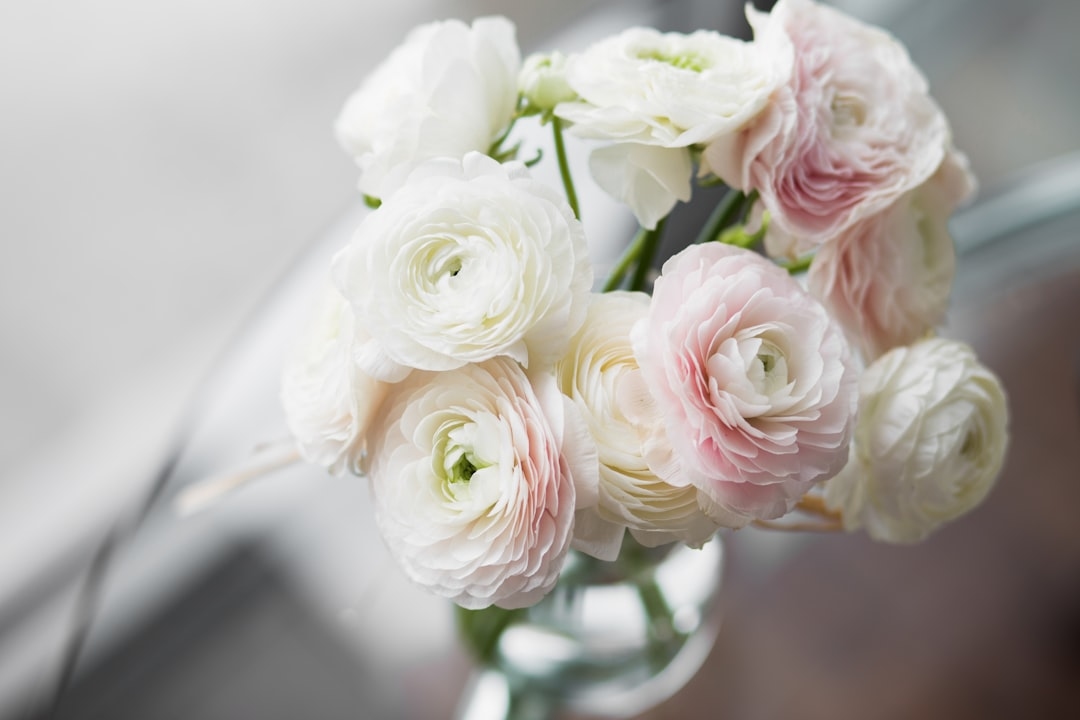
- Monochrome bouquets: Group with matching hydrangea or ranunculus.
- Dramatic contrasts: Pair deep purple callas with bright yellow tulips.
Common Problems and Solutions
Wilting or Mushy Stems
Most stem issues trace back to waterlogged roots (for potted plants) or old vase water. Calla lilies need good drainage and fresh water to thrive.
Pest and Disease Issues
- Aphids and spider mites are the most common pests indoors, treatable with insecticidal soap.
- Rhizome rot occurs if bulbs are left soggy; store tubers dry over winter in zones below USDA 8.
Toxicity Warning
Calla lilies contain calcium oxalate crystals–mildly toxic to pets and humans if ingested. According to the ASPCA, symptoms include oral irritation or stomach upset. Keep arrangements out of reach of curious cats, dogs, and toddlers.
Frequently Asked Questions about Calla Lilies
How long do cut calla lilies last?
Cut calla lilies typically last 7-10 days in a vase, provided the water is changed regularly and stems are freshly trimmed.
Are calla lilies safe for pets?
No. Calla lilies are toxic to cats and dogs if chewed or ingested due to calcium oxalate crystals. It’s best to keep arrangements and potted plants away from pets.
Can calla lilies survive winter outdoors in the US?
In USDA Zones 8-10 (e.g., parts of California, Texas, Florida), callas can survive outdoors year-round. In colder areas, dig up and store the rhizomes indoors after the first frost.
What colors do calla lilies come in?
Calla lilies are available in white, yellow, pink, purple, orange, red, green, and dark maroon (“black”). Hybrid varieties offer even more shades and patterns.
Are calla lilies expensive?
Compared to roses or tulips, calla lilies are moderately priced. In 2026, expect to pay $4-$8 per stem at a florist, or less when buying in bulk for events.
Ready to Try Calla Lilies?
Calla lilies bring elegance to any space, indoors or out. If you’re new to floristry, start with a simple vase of white or colored callas from your local flower shop. Thinking about gardening? Order a few rhizomes this spring and discover just how rewarding–and easy–growing calla lilies can be. Your next bouquet (or backyard) might just feature the country’s most beloved modern bloom.