Contents:
- Quick Answer: Should You Cut Flower Stems Underwater?
- What Happens When You Cut Flower Stems Underwater?
- Preventing Air Embolism
- Maximizing Water Uptake
- Flowers That Benefit Most (and Least) From Underwater Cutting
- High-Sensitivity Blooms
- Hardy Favorites
- How To Cut Flower Stems Underwater (With Tools You Already Own)
- What You Need
- Step-by-Step Process
- Extra Flower Care Tips
- Is Underwater Cutting Always Necessary? The Everyday Florist’s Perspective
- When to Definitely Use Underwater Cutting
- When It’s Okay to Skip
- Common Flower Cutting Mistakes to Avoid
- The Underwater Cutting Debate: Pros and Cons
- Pros
- Cons
- Flower Delivery and Prep: What Do US Services Do?
- The Bottom Line: For the Biggest, Brightest Blooms, Cut Stems Underwater When You Can
- FAQ: Should You Cut Flower Stems Underwater?
- Do you really have to cut flower stems underwater?
- What happens if I cut stems in air instead of underwater?
- How often should I recut stems, and do I need to do it underwater every time?
- Which tools should I use for cutting flower stems?
- Do florists in the US typically cut flowers underwater?
- Ready to Try It Yourself?
Should You Cut Flower Stems Underwater?
Surprise: those thirsty tulips from Trader Joe’s could last twice as long with a snip below the waterline. The underwater stem-cutting trick isn’t just florist folklore–it’s rooted in plant science, beloved by pros, and hotly debated in the home flower world. In 2026, with US households spending over $10 billion annually on fresh flowers, getting every last petal of value matters. So, does slicing stems underwater really make a difference, or is it a well-meaning myth?
Quick Answer: Should You Cut Flower Stems Underwater?
Cutting flower stems underwater is best practice for ultra-freshness and maximum vase life, particularly for sensitive blooms. This technique prevents air bubbles from clogging stems, helping flowers absorb water more efficiently.
However, for most everyday arrangements, especially hardy varieties, a quick angled cut above water with clean, sharp shears is typically sufficient–if you get those flowers in water right away.
What Happens When You Cut Flower Stems Underwater?
Preventing Air Embolism
When stems are cut in open air, tiny bubbles of air can slip up the vascular system of the flower (the xylem). Florist and educator Hannah Lister, AIFD, describes this as “like sticking a cork in a straw–the water can’t flow, and the flower wilts faster.” Underwater snipping keeps air at bay and helps the flower’s “drinking system” stay clear.
Maximizing Water Uptake
The science backs it up: a 2024 study from UC Davis showed that roses cut underwater absorbed up to 35% more water in the first three hours compared to those cut in air. This immediate hydration supports full bloom and color.
Flowers That Benefit Most (and Least) From Underwater Cutting
Not all petals are created equal! Here’s where underwater cutting really matters–and where you can safely skip it.
High-Sensitivity Blooms
- Roses: Highly susceptible to air blockages; benefit greatly from underwater cuts.
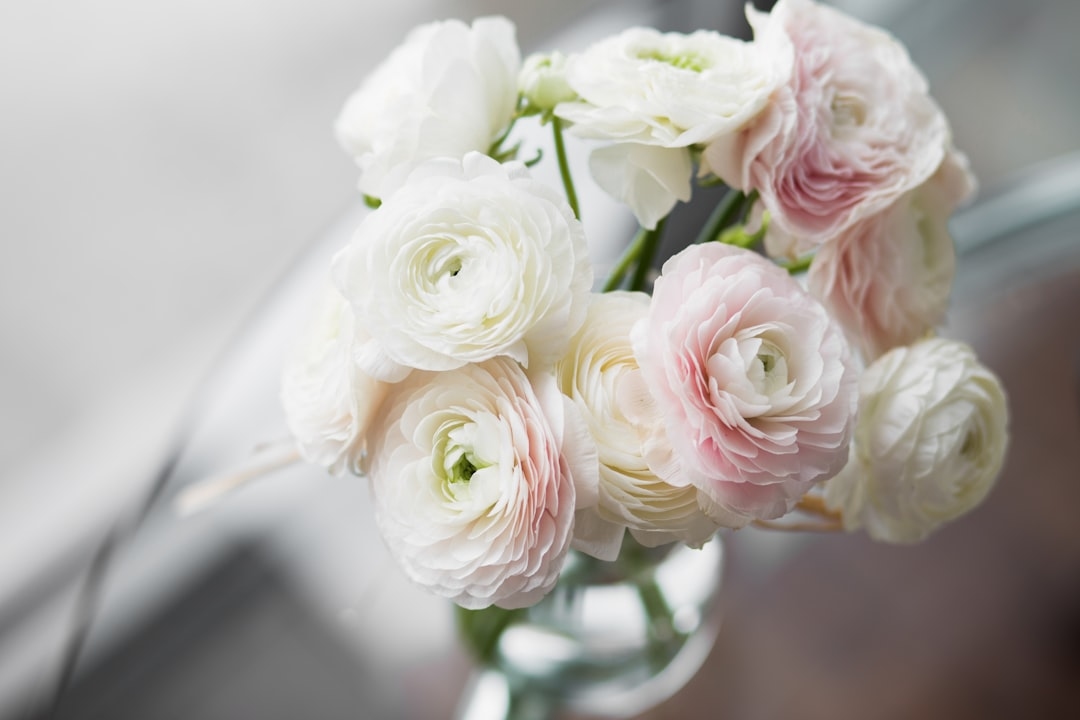
- Tulips & Ranunculus: Drinkers with delicate stems and short vase life.
- Peonies: Costly per stem (often $4-$7 each in US markets) and prone to rapid wilt.
Hardy Favorites
- Chrysanthemums
- Carnations
- Sunflowers
These are less sensitive to initial air bubbles, provided they’re trimmed and plunged into water within seconds.
Table: Should You Cut These Stems Underwater?
| Flower Type | Underwater Cut Needed? | Notes |
|---|---|---|
| Roses | Yes | Boosts hydration |
| Tulips | Yes | Prevents drooping |
| Sunflowers | No | Only if stems woody |
| Lilies | Recommended | Helps buds open fully |
| Carnations | Optional | Not sensitive to bubbles |
| Daffodils | No | Sap can block other stems |
How To Cut Flower Stems Underwater (With Tools You Already Own)
What You Need
- Clean container filled with lukewarm water (a pitcher or deep bowl works)
- Sharp, non-serrated floral shears or a straight knife
- Your flowers
Step-by-Step Process
- Fill your container with water deep enough to submerge several inches of stem.
- Hold the flower stem underwater in the container.
- With shears or a knife, trim at a sharp 45-degree angle to maximize surface area.
- Immediately transfer the stem into your vase or arrangement, already filled with fresh water.
“Plunge and snip–don’t let more than 2-3 seconds pass between cutting and vase,” says Jenna Michaels, head designer at Boston’s Petal & Stem Collective.
Extra Flower Care Tips
- Remove lower leaves that will sit in water to prevent bacterial growth.
- Use clean tools: Dull or dirty blades crush stems and introduce disease.
Is Underwater Cutting Always Necessary? The Everyday Florist’s Perspective
Let’s be real: the underwater method is the gold standard, but it’s not always practical when prepping a dozen grocery bouquets. Modern US florists like LA-based Andrea Kim report that for most in-home arrangements, “as long as you cut stems with a clean, sharp tool and get them in water right away, you’ll keep most flowers looking great.”
When to Definitely Use Underwater Cutting
- Special occasions (weddings, anniversaries, events)
- Expensive stems ($4+ per stem, rare varieties)
- Hot summer months–flowers dehydrate more quickly
When It’s Okay to Skip
- Sturdy, budget-friendly blooms
- Fast processing (from cutting to water in under 5 seconds)
- Everyday home vases changed frequently
Common Flower Cutting Mistakes to Avoid
- Using dull, serrated scissors: Causes stem crushing, restricts water.
- Waiting too long between cutting and water: More than 10 seconds = risk of air blockages.
- Cutting straight across: Reduces water uptake surface area.
- Letting leaves touch the water: Encourages nasty bacteria and cloudy vases.
The Underwater Cutting Debate: Pros and Cons
Pros
- Maximum hydration for finicky flowers
- Longer vase life, especially for roses and tulips
- Favored by high-end US florists
Cons
- More time-consuming
- Can be tricky for thick-stemmed or woody flowers
- Not strictly necessary for robust blooms
Pull-Quote
“If you’re paying premium prices for luxury stems, those extra steps are worth every penny for a longer-lasting bouquet.”
– Francesca Ortiz, Owner, The Flower Cart NYC
Flower Delivery and Prep: What Do US Services Do?
Online flower retailers like UrbanStems and 1-800-Flowers typically process and hydrate blooms before shipping. However, flower stems may be recut above water during packing. That’s why your delivery arrives with a “recut stems before arranging” tag–the final snip improves longevity, especially if you go the extra mile and cut underwater at home.
The Bottom Line: For the Biggest, Brightest Blooms, Cut Stems Underwater When You Can
Give those special peonies or roses the best start with an underwater cut–but don’t stress if you’re arranging a budget-friendly bunch of mums for the kitchen table. Want to level up even more? Try pairing this with other pro tips: use floral food packets, change water every two days, and keep flowers out of direct sun.
FAQ: Should You Cut Flower Stems Underwater?
Do you really have to cut flower stems underwater?
Cutting flower stems underwater is best for highly sensitive flowers like roses and tulips but isn’t strictly required for hardy or inexpensive blooms. For most everyday arrangements, a quick angled cut and immediate placement in water is usually enough.
What happens if I cut stems in air instead of underwater?
If stems are cut in air, they can suck in air bubbles, which may block water flow and shorten vase life. The effect is most significant for thirsty, delicate stems but less so for tough flowers if you work quickly.
How often should I recut stems, and do I need to do it underwater every time?
Recut stems every 2-3 days to maximize water uptake and slow wilting. For the first trim, underwater cutting is ideal for top-tier blooms. Subsequent trims can be done above water, as stems are already hydrated.
Which tools should I use for cutting flower stems?
Use sharp, clean floral shears or a non-serrated knife. Avoid household scissors, as they can crush stems and inhibit water absorption.
Do florists in the US typically cut flowers underwater?
High-end florists and event specialists often use underwater cutting for premium or sensitive flowers. Everyday US flower shops may not, due to time and space constraints, but recommend it for customers seeking the longest vase life.
Ready to Try It Yourself?
The next time a bouquet brightens your doorstep (or you snag stems from Whole Foods’ floral cooler), give the underwater cut a shot–especially for those pricey, show-stopping blooms. You’ll notice the difference. Want to geek out further? Track how long your flowers last with and without the technique, and share your findings with your local florist. Every stem deserves its best shot at glory.