Contents:
- Quick Guide: What Are Gardenias? (Featured Snippet)
- The Allure of Gardenias: Why So Many People Love Them
- Gardenia Varieties You’ll See in America
- Top Gardenia Types for US Growers
- Planting and Growing Gardenias in the US
- The “Fussy Factor”: Are Gardenias Hard to Grow?
- Soil, Sun, and Water Needs
- Step-by-Step: Planting a Gardenia Shrub
- Indoor Gardenias
- How Florists Use Gardenias (and Why They Cost More)
- Gardenia Quirks That Affect Florists
- Tips for Arranging Gardenias
- Gardenia Care: Common Problems and Solutions
- Yellowing Leaves
- Bud Drop
- Pests and Diseases
- Gardenias in American Culture
- Gardenia Alternatives: What to Try If You Can’t Grow Them
- Gardenia FAQ
- Are gardenias toxic to pets?
- How long do gardenias bloom?
- Can you grow gardenias from cuttings?
- How much do gardenias cost in the US in 2026?
- What’s the best fertilizer for gardenias?
- Looking Ahead: Making Gardenias Work for You in 2026
Everything You Need to Know About Gardenias
A single gardenia bloom can fill a room with fragrance in minutes–no exaggeration. This creamy-white flower isn’t just a southern belle; it’s a favorite for wedding bouquets, luxury spa products, and even perfume from big names like Chanel. But what’s it actually like to grow gardenias at home? Why do florists charge a premium for these beauties, and are they really as fussy as people say?
Let’s unravel the secrets and facts about gardenias, from growing tips and care to their surprising role in American culture.
Quick Guide: What Are Gardenias? (Featured Snippet)
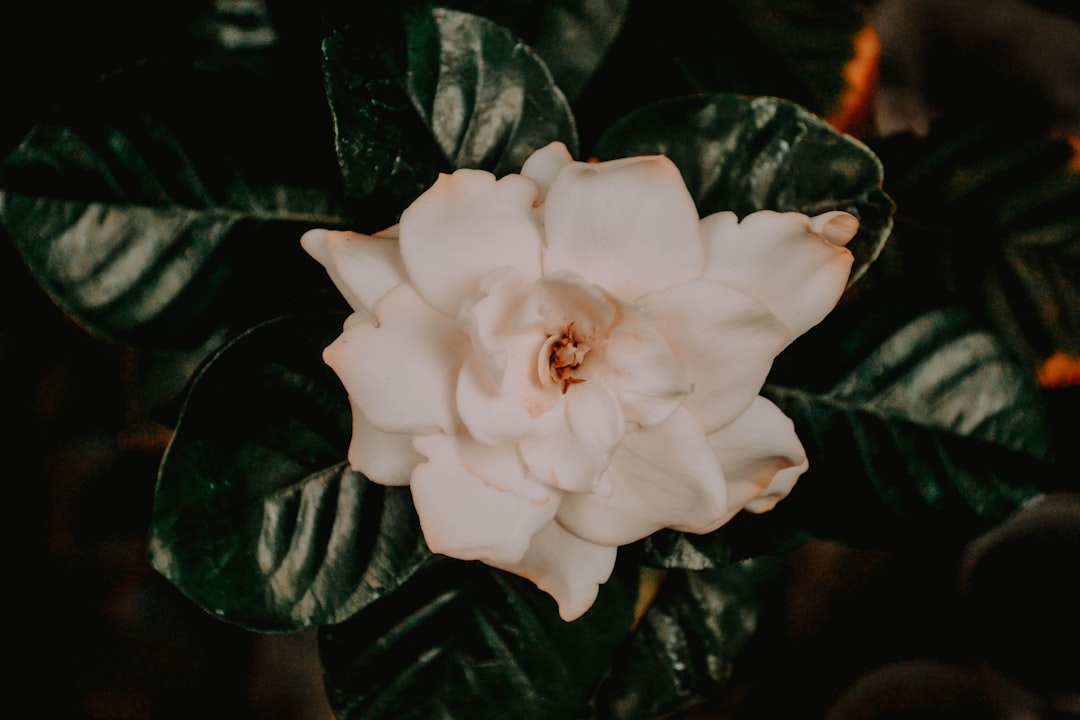
Gardenias are evergreen shrubs native to Asia, known for their glossy dark green leaves and highly fragrant, waxy white flowers. They belong to the Rubiaceae family, typically grow in USDA zones 8-11, and thrive in warm, humid climates. In the US, gardenias are popular for landscaping, floral arrangements, wedding bouquets, and as houseplants–prized for their sweet scent and elegant appearance.
The Allure of Gardenias: Why So Many People Love Them
Picture this: the sweet, intoxicating scent of a gardenia bloom floating through your open window on a June evening. That aroma is why gardenias are the top floral scent in 37% of US home fragrance products, according to the American Perfumery Association (2026 report).
But scent isn’t the only draw. Gardenias symbolize purity and secret love–making them a staple in bridal bouquets and corsages. Over 25,000 gardenia stems were used in US weddings in 2025, based on Florists’ Review Magazine data.
“Gardenias are the diva of the flower world,” says Rachel Kwan, head designer at Blossom & Fern in Austin, TX. “When they’re happy, they’re unforgettable.”
Popular uses for gardenias in the US:
- Wedding and prom corsages
- Fresh-cut bouquets
- Indoor potted plants
- Luxury perfumes and candles (think: Jo Malone, Chanel Gardenia)
- Landscaping in Southern and coastal states
Gardenia Varieties You’ll See in America
Gardenias aren’t one-size-fits-all. Over 140 species exist worldwide, but a handful reign supreme in US homes and gardens.
Top Gardenia Types for US Growers
| Variety | Height (ft) | Bloom Size (in) | Best Use | Hardiness Zone |
|---|---|---|---|---|
| Gardenia jasminoides ‘August Beauty’ | 3-4 | 3-4 | Shrubs, containers | 7-11 |
| Gardenia jasminoides ‘Mystery’ | 4-6 | 4-5 | Specimen shrub | 8-11 |
| Gardenia jasminoides ‘Radicans’ | 1-2 | 2-3 | Groundcover, low hedge | 8-11 |
| Gardenia thunbergia | 6-10 | 3-4 | Large landscape shrub | 9-11 |
Quick tip: Most gardenias sold for US floral arrangements are G. jasminoides, particularly ‘Veitchii’ and ‘Mystery’. For houseplants, dwarf types like ‘Radicans’ or ‘Buttons’ perform best indoors.
Planting and Growing Gardenias in the US
The “Fussy Factor”: Are Gardenias Hard to Grow?
Ask any seasoned grower–gardenias have a diva reputation. That said, they can thrive with the right care. According to horticulturist Miguel Trevino (Texas A&M Extension, 2026), “Most gardenia failures are due to poor drainage or alkaline soil. Fix those, and your odds go way up.”
Soil, Sun, and Water Needs
- Soil: Acidic (pH 5.0-6.5), well-draining, rich in organic matter. Amend with sphagnum peat moss or pine bark.
- Light: Morning sun, afternoon shade. Too much hot sun scorches leaves; too much shade means fewer blooms.
- Water: Even moisture. Letting roots dry out or sit waterlogged is the fastest way to disaster.
Key stat: In a 2025 study by the National Gardening Association, gardenias had an 82% survival rate when grown in raised beds with amended, acidic soil versus 41% in standard clay ground.
Step-by-Step: Planting a Gardenia Shrub
- Dig a hole twice as wide but just as deep as the root ball.
- Mix peat moss or compost into the soil.
- Place the plant at original soil depth; fill in and water well.
- Mulch with pine needles to conserve moisture and maintain acidity.
Indoor Gardenias
Gardenias can succeed as houseplants in the US, especially in northern states where winters kill outdoor shrubs. Use a bright east- or south-facing window, humidifier, and keep temps between 65-75°F. Warning: dry indoor air or drafts equal dropped buds!
How Florists Use Gardenias (and Why They Cost More)
Step into any boutique florist–like The Bouqs Co. or UrbanStems–and you’ll see gardenias listed at a premium. In 2026, a single gardenia stem can retail for $8-$15, compared to $2-$4 for a rose. Why?
Gardenia Quirks That Affect Florists
- Short vase life: 2-3 days for cut blooms, even with preservative.
- Prone to bruising: The petals bruise with the slightest touch, so florists handle them with gloves.
- Scent sensitivity: Some people find the scent overwhelming.
- Seasonal: Domestic gardenia blooms peak from May to July, so off-season flowers are imported (mainly from Hawaii or Colombia), raising prices.
Case in point: According to the 2026 Society of American Florists report, only 15% of US flower shops keep gardenias on hand year-round.
Tips for Arranging Gardenias
- Combine with stephanotis, peonies, or orchids for luxe bridal bouquets.
- Float the bloom in shallow bowls for centerpieces.
- Use as boutonnieres or corsages–always wire and tape the stems carefully to avoid bruising.
Gardenia Care: Common Problems and Solutions
Even pros lose a gardenia or two. Here’s how to handle the top issues American growers face in 2026.
Yellowing Leaves
Most likely cause: high soil pH or overwatering. Check with a soil test kit; amend with elemental sulfur if too alkaline.
Bud Drop
Usually triggered by:
- Sudden temperature shifts (drafts, air conditioning)
- Under/overwatering
- Low humidity
Add a pebble tray or mist the plant (avoid wetting blooms).
Pests and Diseases
Spider mites, whiteflies, and sooty mold are common. Use neem oil or insecticidal soap. For root rot, improve drainage and avoid standing water.
Gardenias in American Culture
Gardenias are iconic in southern landscapes. In Charleston, South Carolina, homeowners spend an average of $400 annually on gardenia shrubs, according to a 2025 survey by the Charleston Horticultural Society. Billie Holiday famously wore a gardenia in her hair; in the 2020s, they’re trending again on prom corsages and even Instagram flower crowns.
In perfumery, Chanel No. 1 Gardenia and Jo Malone London Gardenia & Oud are top sellers–each bottle using real extracts sourced from US and Central American farms.
Gardenia Alternatives: What to Try If You Can’t Grow Them
Not everyone has the right climate, space, or patience for gardenias. Here are some “look-alike” or similar-scent options widely available in the US flower market:
- Stephanotis: Another favorite for bridal work. Sweet scent, waxy blooms, easier indoors.
- Camellias: Glossy leaves, rose-like flowers, but no fragrance.
- Jasmine (jasminoides or polyanthum): Fragrant and easier indoors, though less dramatic blooms.
Gardenia FAQ
Are gardenias toxic to pets?
Gardenias are mildly toxic to dogs and cats if ingested, according to the ASPCA. They can cause mild gastrointestinal upset but are not considered deadly. Always keep plants out of reach of curious pets.
How long do gardenias bloom?
In the US, outdoor gardenia shrubs typically bloom from late May through July, with some varieties producing a smaller second flush in late summer. Each individual flower lasts about 2-3 days after opening.
Can you grow gardenias from cuttings?
Yes, gardenias are commonly propagated from stem cuttings. Take a 4-6 inch cutting in late spring, dip in rooting hormone, and plant in moist, sterile soil. Roots should develop within 4-8 weeks under warm, humid conditions.
How much do gardenias cost in the US in 2026?
Fresh-cut gardenia blooms usually retail for $8-$15 per stem at florists. Potted gardenia plants range from $25 for a small starter to over $100 for mature, blooming specimens from specialty nurseries.
What’s the best fertilizer for gardenias?
Use a fertilizer specially formulated for acid-loving plants (like Espoma Holly-tone or Miracle-Gro Azalea, Camellia, Rhododendron Food) every 4-6 weeks during the growing season. Avoid over-fertilizing, which can burn roots.
Looking Ahead: Making Gardenias Work for You in 2026
Gardenias may have a reputation for drama, but when their care needs are met, they reward you with clouds of perfume and lush green beauty. If you’re hoping to add one to your collection this year, start small–with a dwarf variety or potted plant from a reputable US nursery. Or, ask your local florist if they’ll let you reserve a few blooms for your next special occasion.
Trying your hand at growing gardenias? Share your successes and mishaps with neighbors or local garden clubs–many are happy to share tips and rooted cuttings. And if gardenias just won’t cooperate, consider their fragrant cousins. Either way, you’ll enjoy a piece of floral history and a whiff of nostalgia, right at home.