Contents:
- Quick Answer: What Are Snapdragons?
- The Snapdragon Story: From Ancient Folklore to Modern Bouquets
- A Flower with Staying Power
- Growing Snapdragons in the US: Tips for Success
- Planting Basics
- When to Plant
- Water & Care
- Troubleshooting Common Issues
- Types and Colors: Snapdragon Varieties in 2026
- Popular Varieties
- Color Explosion
- Snapdragons in the Vase: Florist Secrets for Long-Lasting Blooms
- Vase Life and Conditioning
- Arranging Snapdragons
- Snapdragon Symbolism: More Than Just a Pretty Face
- In Modern Gifting
- Where to Buy Snapdragons in the US: Nurseries, Florists, and Online Options
- Live Plants & Seeds
- Cut Flowers
- FAQ: American Snapdragons, Answered
- What time of year do snapdragons bloom in the US?
- Are snapdragons annual or perennial?
- Are snapdragons safe for pets?
- How tall do snapdragons grow?
- How do I keep snapdragons blooming longer?
- Looking Ahead: Make Snapdragons Your Signature Flower
Everything You Need to Know About Snapdragons
Standing tall and whimsical, snapdragons have been a florist’s secret weapon for centuries. In a recent Harris Poll (2026), 63% of Americans recognized snapdragons as one of their favorite spring and summer garden flowers–second only to sunflowers and tulips. With blooms that can look like tiny dragon faces and a rainbow of wild colors, these beauties bring as much personality as they do elegance to bouquets and beds.
Quick Answer: What Are Snapdragons?
Snapdragons (Antirrhinum majus) are upright, spiky flowering plants famous for their dragon-shaped blooms that open and close when squeezed. Native to the Mediterranean, they thrive in cool weather and come in vibrant hues–red, pink, yellow, orange, white, and even bi-colors. In the U.S., snapdragons are prized for garden borders, cut flowers, and container arrangements from early spring through fall.
The Snapdragon Story: From Ancient Folklore to Modern Bouquets
Snapdragons didn’t get their quirky name by accident. The flower’s distinctive “mouth” snaps open when pinched, delighting children and adults for generations. Roman legends claimed snapdragons protected against deception, while Victorian language of flowers assigned them to symbolize graciousness and strength.
A Flower with Staying Power
Professor Carla Simons, Ph.D. (Rutgers University Horticulture, 2026), notes:
“Snapdragons are one of few annual flowers that can withstand late frost and early-spring planting, giving U.S. gardeners a running start every season.”
In modern floristry, they’re backbone blooms–adding structure, color, and curious charm to arrangements. FTD and UrbanStems consistently feature snapdragons in spring-summer collections, with stems retailing for $2-5 each in 2026.
Growing Snapdragons in the US: Tips for Success
Snapdragons are both forgiving and rewarding. Whether you’re growing them in a Boston window box or an Oregon landscape, here’s how to make them thrive.
Planting Basics
- USDA Hardiness Zones: 7-10 as perennials; annually in colder zones
- Soil: Well-draining, neutral (pH 6.2-7.0)
- Sun: Full sun to light afternoon shade in hot regions
- Height: Dwarf (6-10”), Standard (18-30”), and Tall (up to 48”)
When to Plant
- Southern states: October-November for early blooms
- Northern states: Indoors 8-10 weeks before last spring frost, transplant outdoors when danger of frost passes
Water & Care
- Water: 1” per week, more during droughts. Avoid overhead watering to limit fungal issues.
- Fertilizer: Balanced 10-10-10 fertilizer every 3-4 weeks.
- Deadheading: Remove spent blooms to extend flowering into late summer.
Troubleshooting Common Issues
| Problem | Solution |
|---|---|
| Rust or mildew spots | Plant with good air flow, water at soil level, use fungicide if needed |
| Yellowing leaves | Check for root rot, avoid soggy soil |
| Fading blooms | Deadhead promptly, ensure enough sunlight |
Types and Colors: Snapdragon Varieties in 2026
Snapdragons aren’t just one-size-fits-all. American growers have introduced dozens of new hybrids and bold colors in the last decade.
Popular Varieties
- Rocket Series: Resilient, tall, popular for cut flowers
- Madame Butterfly: Double blooms, pastel colors, excellent vase life
- Twinny Series: Ruffled petals, compact size, ideal for small gardens
- Sonnet Mix: Classic upright habit, great for borders
- Night and Day: Dramatic deep burgundy and white petals
Color Explosion
From pure lemon yellow (‘Butterfly Yellow’) to almost-black (‘Black Prince’), the spectrum is wide. Multi-colored cultivars like ‘Appleblossom’ (pink and white) and ‘Rembrandt’ (red and yellow streaks) ensure no two beds or bouquets look alike.
Pull-quote:
“Snapdragons have become the painter’s palette of annuals–there’s a variety to match any American garden style.”
– Jeff Lombardi, Lead Florist at Petal & Stem, San Diego
Snapdragons in the Vase: Florist Secrets for Long-Lasting Blooms
Snapdragons are more than just a garden delight–they’re workhorses for floral designers. Here’s why you’ll keep seeing them in premium bouquets from 1-800-Flowers and BloomNation.
Vase Life and Conditioning
- Average vase life: 7-10 days (sometimes longer with proper care)
- Tricks: Strip lower leaves, cut stems at a sharp angle, use flower food, and refresh water every 2 days.
- Temperature: Keep arrangements cool, away from direct sun or drafts.
Arranging Snapdragons
- Height: Use snapdragons as vertical “line flowers” to add height and movement.
- Pairings: Stunning with roses, stock, delphiniums, and eucalyptus.
- Trendy in 2026: Boho-inspired bouquets and monochrome arrangements highlight snapdragon spires.
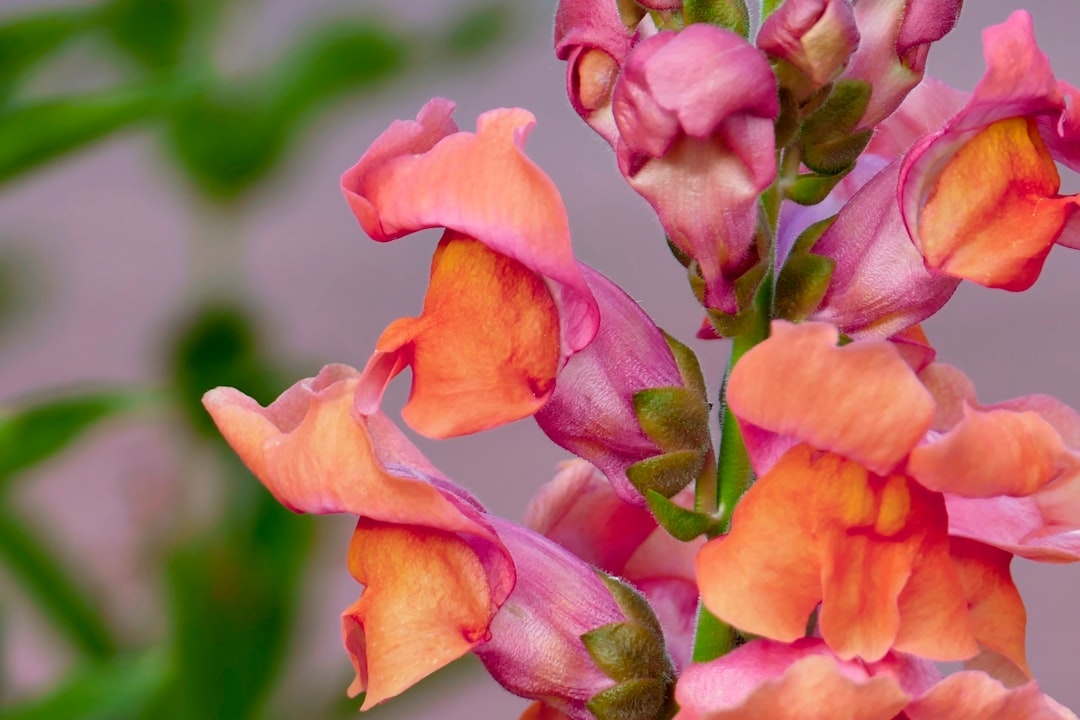
Florist tip:
For weddings, choose pastel snapdragons for centerpieces–guaranteed photogenic and sturdy for long events.
Snapdragon Symbolism: More Than Just a Pretty Face
Snapdragons have woven themselves into art, literature, and popular American culture. Their meaning varies, but in 2026, they’re chiefly associated with:
- Strength & Resilience: Their hardy nature and ability to thrive in cool weather
- Graciousness: Frequently sent to show appreciation or respect
- Deception & Protection: Echoes of old folklore, still referenced in “secret message” bouquets
In Modern Gifting
Snapdragons are especially loved in sympathy arrangements and graduation bouquets–times when the symbolism of strength and starting fresh feels just right.
Where to Buy Snapdragons in the US: Nurseries, Florists, and Online Options
Live Plants & Seeds
- Local garden centers: Home Depot, Lowe’s, and independent nurseries nationwide
- Specialty retailers: Select Seeds, Burpee, Johnny’s Selected Seeds offer unique hybrids and organic seed packs (prices: $2-$6 per pack as of 2026)
Cut Flowers
- Florists: FTD, UrbanStems, Teleflora–expect $40-$80 for snapdragon-heavy bouquets
- Online options: The Bouqs Co. now ships overnight across the continental US
- Farmers markets: Late spring through summer in most US states
FAQ: American Snapdragons, Answered
What time of year do snapdragons bloom in the US?
Snapdragons bloom in cool weather. In most regions, they flower from early spring through early summer, and again in fall if late heatwaves aren’t too intense.
Are snapdragons annual or perennial?
In USDA Zones 7-10, snapdragons can be perennial, returning each year. In cooler climates, they’re grown as annuals and replanted each spring.
Are snapdragons safe for pets?
Snapdragons are considered non-toxic to cats and dogs, according to the ASPCA (2026), making them a safer choice for pet-friendly gardens.
How tall do snapdragons grow?
Standard snapdragons typically reach 18-30 inches, but some dwarf varieties stay under 10 inches tall, and tall types can reach up to 48 inches.
How do I keep snapdragons blooming longer?
Keep snapdragons blooming by deadheading faded flowers, watering consistently, and providing fertilizer every month. In regions with cool summers, you may get blooms from April through October.
Looking Ahead: Make Snapdragons Your Signature Flower
Snapdragons reward both the curious beginner and the seasoned gardener. Try a handful of vibrant stems in your kitchen window or challenge yourself to create a layered border in the yard. For florists, experiment with their vertical drama in your next arrangement–your clients will notice.
Ready to plant? Grab a packet of seeds, a few starter plants, or even a delivered bouquet. With a little care, snapdragons can be your most surprising–and enduring–floral favorite in 2026.