Contents:
- Quick Answer: Are Gerbera Daisies Pollen-Heavy?
- What Makes a Flower “Pollen-Heavy”?
- Defining Pollen-Heavy
- The Science of Gerbera Daisy Pollen
- Structure and Pollination
- Are Gerbera Daisies Safe for People With Allergies?
- How Gerbera Daisies Affect Allergic Reactions
- Gerbera Daisies vs. Other Popular Cut Flowers
- Flower Allergy Comparison Table
- Caring for Gerberas at Home: Allergy-Smart Advice
- Reduce Pollen Exposure
- Pet Safety
- Gerbera Daisy Allergies: Real Stories & Practical Tips
- FAQ: Gerbera Daisy Pollen & Allergy Questions
- Do Gerbera daisies produce a lot of pollen?
- Can people with pollen allergies have Gerbera daisies at home?
- Are Gerbera daisies more hypoallergenic than lilies?
- Do florists recommend Gerbera daisies for allergy sufferers?
- Are Gerbera daisies safe around pets?
- What’s Next? Choosing the Right Flowers for Allergy-Safe Bouquets
Are Gerbera Daisies Pollen-Heavy? The Truth for Allergy Sufferers and Flower Lovers
Imagine a birthday bouquet bursting with vibrant reds, sunny yellows, and candy-pink petals – classic Gerbera daisies. Now, you’re about to hand it to someone who sniffles at the sight of pollen. Do Gerbera daisies pack a punch in the pollen department, or are they a safe bet for the allergy-prone? Florists answer this question every week. The truth might surprise you.
Quick Answer: Are Gerbera Daisies Pollen-Heavy?
Gerbera daisies are not considered pollen-heavy flowers.
They do contain pollen, but their pollen grains are sticky and heavier than those in wind-pollinated plants, meaning they’re less likely to become airborne and cause allergy symptoms. For most people – even mild allergy sufferers – Gerberas are a relatively safe choice.
Quote from Amanda Reyes, AIFD-certified florist:
“Gerbera daisies are one of my go-to blooms for customers with mild allergies. Their pollen tends to stay put, not float around your home.”
What Makes a Flower “Pollen-Heavy”?
Defining Pollen-Heavy
In the floristry world, “pollen-heavy” describes blooms that release lots of airborne pollen – think ragweed, lilies, or some wild grasses. These are the flowers most likely to turn a spring day into an allergy nightmare.
Gerberas, by contrast, rely mostly on insects for pollination. They produce less pollen than wind-pollinated varieties and what they do make tends to stick to the flower rather than cloud the air.
Examples of Pollen-Heavy Flowers
- Oriental lilies
- Daisies (wild and ox-eye, not Gerbera)
- Sunflowers
- Ragweed
Meanwhile, flowers like orchids, roses, and Gerbera daisies rate much lower on the pollen scale.
The Science of Gerbera Daisy Pollen
Structure and Pollination
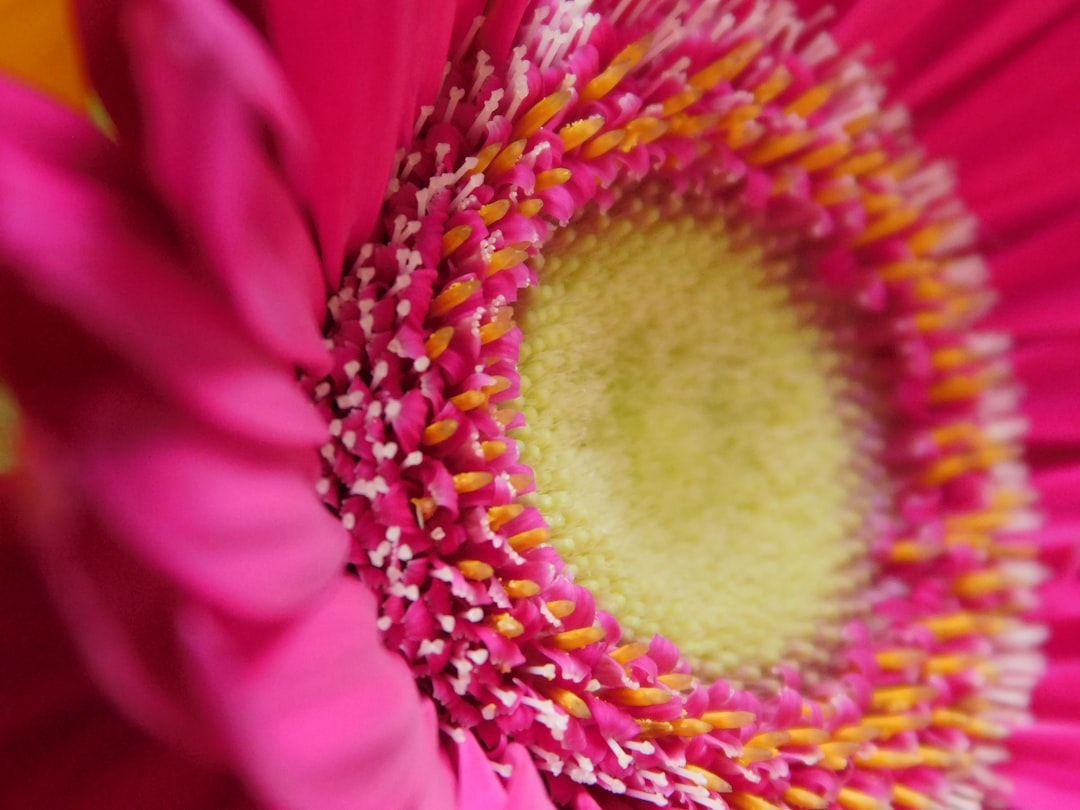
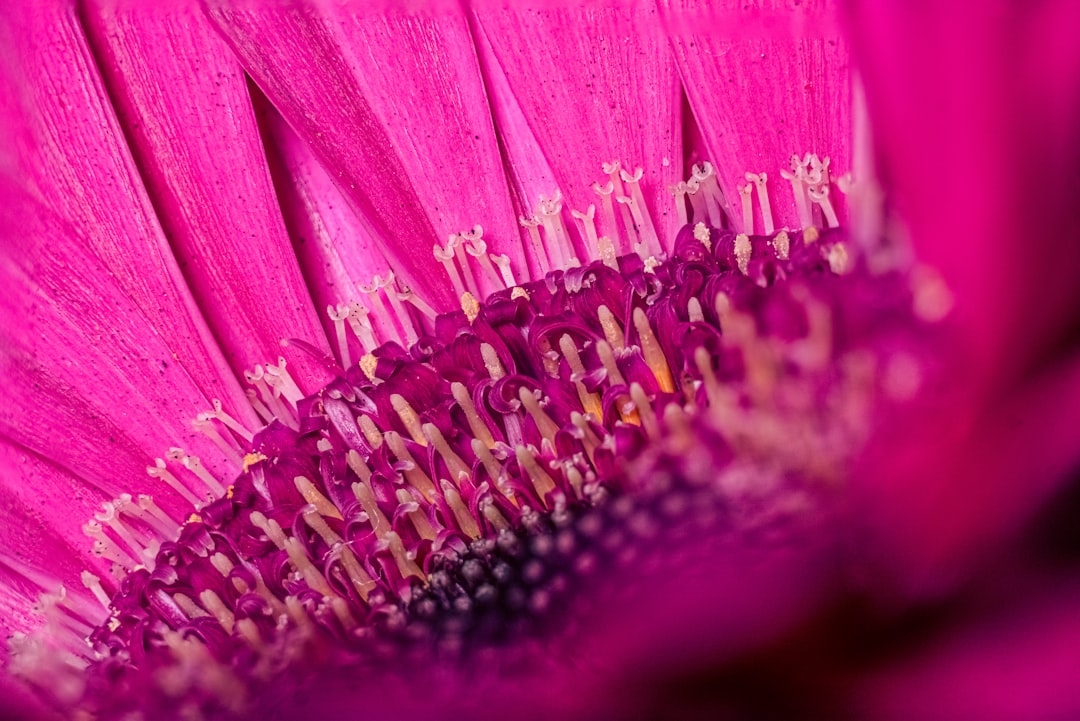
Gerbera daisies (Gerbera jamesonii) belong to the Asteraceae family. Each “flower” is actually a composite of hundreds of small florets. The central disk florets do contain pollen – but it’s designed for insects, not the wind.
Dr. Elijah Morton, horticulturist at Kansas State University, breaks it down:
“Gerbera pollen grains are larger and stickier compared to wind-pollinated flowers. The pollen adheres to visiting bees rather than dispersing through the room.”
In practice, this means Gerberas won’t flood your living room with pollen the way a lily or wild daisy might.
Airborne vs. Insect-Borne Pollen
| Flower | Pollen Dispersal | Allergy Risk Level |
|---|---|---|
| Oriental Lily | Airborne | High |
| Wild Daisy | Airborne | Medium-High |
| Gerbera Daisy | Insect-borne | Low |
| Rose | Insect-borne | Low |
| Ragweed (weed) | Airborne | Very High |
Are Gerbera Daisies Safe for People With Allergies?
How Gerbera Daisies Affect Allergic Reactions
Most Americans who experience “pollen allergies” react to wind-pollinated plants. According to data from the Asthma and Allergy Foundation of America (AAFA), over 50 million Americans report allergies in 2026, most commonly to grasses and wildflowers.
Gerbera daisies rarely trigger these reactions. Their pollen is less likely to become airborne and remains encapsulated within the flower’s center.
When Can Gerberas Cause Symptoms?
Exception:
Some highly sensitive individuals with severe pollen allergies or occupational exposure (like floral designers cutting stems all day) might experience mild irritation when handling Gerberas directly or sniffing them up close.
Florist tip:
“Always remove old, wilted blooms from arrangements – as they break down, any pollen may become more accessible,” suggests Nicole Summers, owner of Blooms and Beyond in Seattle.
Gerbera Daisies vs. Other Popular Cut Flowers
How do Gerberas stack up against other favorites from the florist’s cooler?
Flower Allergy Comparison Table
| Flower | Pollen Type | Allergy Consideration | Typical Use in Bouquets |
|---|---|---|---|
| Gerbera Daisy | Heavy, sticky | Low | Birthdays, celebrations, modern |
| Asiatic Lily | Dusty, airborne | High | Weddings, sympathy |
| Carnation | Minimal | Very Low | Everyday, office, hospital |
| Sunflower | Airborne | Moderate | Rustic, wildflower arrangements |
| Rose | Sticky/large | Very Low | Romance, anniversaries |
Carnations and roses are the most hypoallergenic. Gerberas slot in just below them, far safer than lilies or sunflowers for those worried about sneezing.
Caring for Gerberas at Home: Allergy-Smart Advice
Reduce Pollen Exposure
Gerbera daisies are already allergy-friendly, but you can minimize any risk by following a few steps:
- Buy from a reputable florist. U.S. chains like 1-800-Flowers or local FTD florists usually source fresh, high-quality Gerberas.
- Snip off pollen-heavy centers for the ultra-sensitive (though this may mildly impact bloom longevity and appearance).
- Change vase water every 2-3 days to prevent mold/decay, which can trigger symptoms in sensitive individuals.
- Keep arrangements away from direct airflow – fans or AC vents won’t spread Gerbera pollen, but can stir up dust and other particulates.
Pet Safety
Gerbera daisies are considered non-toxic to cats and dogs (ASPCA, 2026). If your fur kid chews a petal, you’re in the clear, unlike with lilies.
Gerbera Daisy Allergies: Real Stories & Practical Tips
Louise W., a Brooklyn elementary teacher and seasonal allergy sufferer, shares:
“I always get bouquets from my students, and Gerberas never bother me. Lilies, though – they set me off sneezing for hours!”
Allergy clinics report comparable findings: most reactions to Gerbera arrangements are likely due to dust, mold, or other floral species in a mixed bouquet, not the Gerberas themselves.
FAQ: Gerbera Daisy Pollen & Allergy Questions
Do Gerbera daisies produce a lot of pollen?
Gerbera daisies do produce pollen, but the grains are heavy and sticky, making them less likely to become airborne. This means they typically do not trigger allergies for most people.
Can people with pollen allergies have Gerbera daisies at home?
Yes, most people with pollen allergies can enjoy Gerbera daisies at home. Their pollen is unlikely to cause reactions unless someone is extremely sensitive or handles the flowers repeatedly.
Are Gerbera daisies more hypoallergenic than lilies?
Absolutely. Gerbera daisies are much less likely to cause allergic reactions than lilies, which drop large amounts of dusty pollen easily carried by air.
Do florists recommend Gerbera daisies for allergy sufferers?
Many U.S. florists do recommend Gerbera daisies for allergy-prone customers, especially compared to high-risk flowers like lilies and sunflowers.
Are Gerbera daisies safe around pets?
Yes, Gerbera daisies are non-toxic to cats and dogs according to the ASPCA as of 2026.
What’s Next? Choosing the Right Flowers for Allergy-Safe Bouquets
Ready to build a sneeze-free bouquet? Keep Gerbera daisies on your list. Pair them with roses, carnations, or alstroemeria for bold color and minimal pollen. Always ask your florist – local experts like Nicole Summers or big-name services like ProFlowers.com can curate arrangements with allergy safety in mind.
So next time you’re choosing blooms for a friend – or yourself – skip the lilies, grab a vibrant bunch of Gerbera daisies, and breathe easy.