Contents:
- Quick List: Dog-Safe Flowers for Your Home
- What Flowers Are Safe for Dogs to Be Around? (Direct Answer)
- American Favorites: Eight Dog-Friendly Flowers (With Florist Tips)
- Roses
- Sunflowers
- Gerbera Daisies
- Snapdragons
- Florist Insights: How to Choose Dog-Friendly Bouquets
- Always Ask Before You Buy
- Go Green: Pet-Safe Filler and Greenery
- Flowers to Avoid Around Dogs (With Key Toxins)
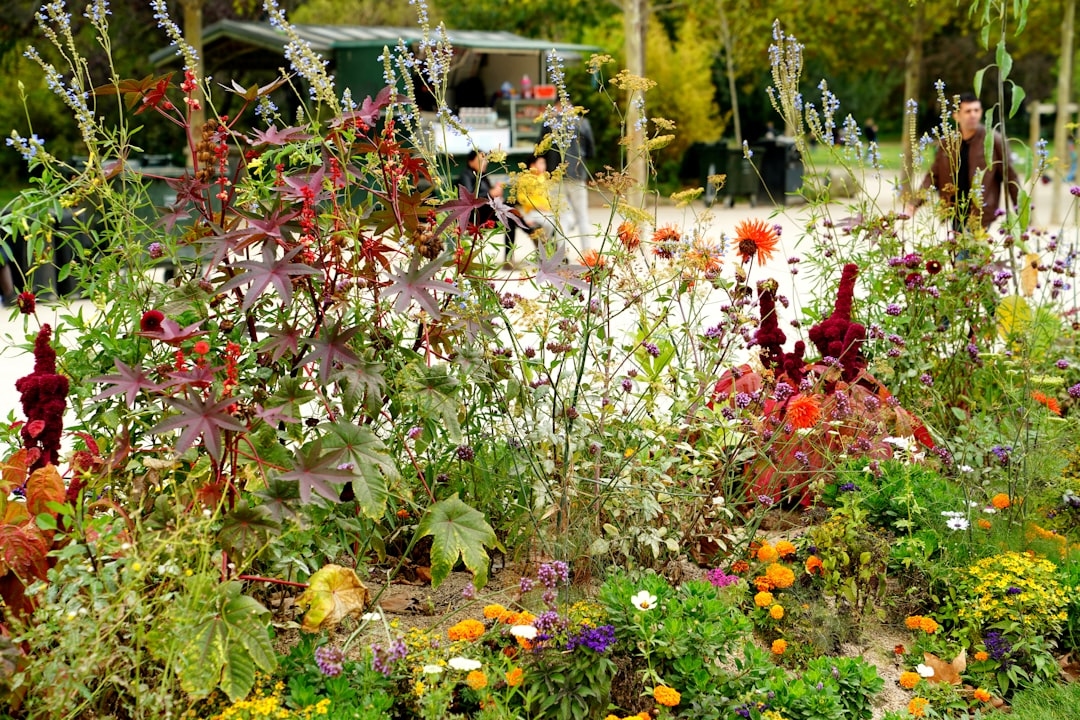
- Outdoor Gardening: Building a Dog-Safe Flower Bed
- Top Outdoor Dog-Safe Flowers
- Practical Tips for Pet Owners
- Common Myths About Flowers and Dogs
- Myth 1: All Daisies Are Safe
- Myth 2: “Natural” Means Non-Toxic
- Myth 3: Dogs Know What Not to Eat
- FAQs About Dog-Safe Flowers
- What flowers are 100% safe for dogs?
- Are tulips or lilies safe for dogs?
- Can dogs eat roses?
- What should I do if my dog eats an unknown flower?
- Do florists offer pet-safe bouquets for delivery?
- Bringing Home Beauty, Keeping Pets Happy
Flowers That are Safe for Dogs to Be Near
A vase brimming with sunflowers can brighten any living room–but if you have a dog at home, that bouquet could come with an extra worry. According to research from the ASPCA in 2025, over 215,000 cases of pet poisoning involved plants. Most pet parents are surprised to learn just how many popular flowers are dangerous. The good news? There are plenty of stunning, dog-friendly floral options for your home, garden, or next delivery from an American florist.
Quick List: Dog-Safe Flowers for Your Home
If your pup is curious or just loves being near your blooms, these flowers are considered safe for dogs by the ASPCA and most US vets:
- Roses (all true rose varieties)
- Sunflowers
- Gerbera daisies
- Snapdragons
- Orchids (e.g., Phalaenopsis)
- African violets
- Marigolds (Tagetes species)
- Zinnias
“Not all beautiful flowers spell disaster for our canine companions. These dog-safe blooms let pet owners enjoy a colorful home–without the anxiety.”
– Dr. Sonali Wright, DVM, American Veterinary Botanical Council
Read on for details about each, plus tips to keep those tails wagging safely around your bouquets.
What Flowers Are Safe for Dogs to Be Around? (Direct Answer)
Many common flowers–including roses, sunflowers, orchids, snapdragons, marigolds, and zinnias–are considered non-toxic to dogs when grown or displayed indoors. These blooms are safe for dogs to touch, sniff, and even (in small amounts) chew on. Always avoid lilies, tulips, azaleas, and sago palms, which can be toxic to pets.
American Favorites: Eight Dog-Friendly Flowers (With Florist Tips)
Some of the most popular flowers in the U.S. floral market are also among the safest for homes with dogs. Here’s how they stack up, from cost per stem to their resilience around nosy snouts.
| Flower | Approximate Price (per stem, 2026 USD) | Scent Level | Safe for Dogs? | Popular Varieties |
|---|---|---|---|---|
| Rose | $3.00-$6.00 | Moderate | Yes | Hybrid tea, garden |
| Sunflower | $1.50-$4.00 | Mild | Yes | Giant, Teddy Bear |
| Gerbera Daisy | $2.00-$5.00 | Mild | Yes | Mini, spider |
| Snapdragons | $2.00-$4.00 | Mild | Yes | Rocket, Madame Butterfly |
| Orchid (Phalaenopsis) | $10.00-$25.00 (potted) | Light | Yes | Moth, Dendrobium |
| African Violet | $5.00-$12.00 (potted) | Mild | Yes | Classic, ruffled-leaf |
| Zinnia | $1.00-$2.50 | Mild | Yes | Benary Giant, Cut-and-Come-Again |
| Marigold | $1.50-$3.00 | Strong | Yes* | Tagetes, French, African |
*Some marigold species (Calendula officinalis) are more widely used in pet-safe gardens, while others may cause mild skin irritation in rare cases.
Roses
Classic, widely available, and versatile. Every true rose (genus Rosa) is non-toxic to dogs, making them a frequent choice for pet-loving homes. Watch out for thorns, though–dogs may get poked if they chew stems.
Sunflowers
America’s summer favorite. Sunflowers (Helianthus annuus) are both cheerful and dog-friendly. Their seeds and petals are non-toxic, so even curious sniffers are safe.
Gerbera Daisies
Bright colors, long vase life. These daisies are safe even for puppies, and they don’t shed pollen the way lilies or mums do.
Snapdragons
Tall spikes, gentle scent. Snapdragons (Antirrhinum majus) are staple spring flowers for U.S. florists and safe for pets.
Florist Insights: How to Choose Dog-Friendly Bouquets
Always Ask Before You Buy
Not every bouquet labeled as “safe” is truly pet-friendly. Some bouquets contain hidden dangers–like lilies, which are highly toxic to cats and can irritate dogs.
Dog-friendly floristry is gaining traction nationwide. Amelia Jones, lead floral designer at Petal & Paw in Portland, OR, says,
“We’ve seen a 70% increase in requests for pet-safe arrangements since 2024. Clients want beauty and peace of mind.”
A growing number of American flower-delivery services, including UrbanStems and The Bouqs Co., now offer dog-friendly options. Look for the “pet-safe” tag or request a custom bouquet specifying only non-toxic flowers.
Go Green: Pet-Safe Filler and Greenery
Traditional bouquet filler–like baby’s breath, eucalyptus, or aspidistra–can be toxic to dogs. Instead, ask your florist for:
- Ruscus
- Statice
- Waxflower (in small amounts)
- Ferns (Boston, Maidenhair)
Flowers to Avoid Around Dogs (With Key Toxins)
Understanding what not to bring home is just as important. Some popular flowers might surprise you with their risk.
| Flower | Toxin(s) | Symptoms in Dogs |
|---|---|---|
| Lily (all types) | Unknown, possibly saponins | Vomiting, kidney failure (esp. cats, but risky for dogs) |
| Tulip | Tulipalin A & B | Drooling, GI upset, depression |
| Azalea/Rhododendron | Grayanotoxins | Vomiting, heart arrhythmias |
| Sago Palm | Cycasin | Liver failure, seizures |
| Daffodil | Lycorine | Severe vomiting, low blood pressure |
“Even a single petal or bulb from these plants can send a dog to the emergency vet. When in doubt, skip them.”
– Martin Hill, Certified Master Horticulturist, Boston, MA
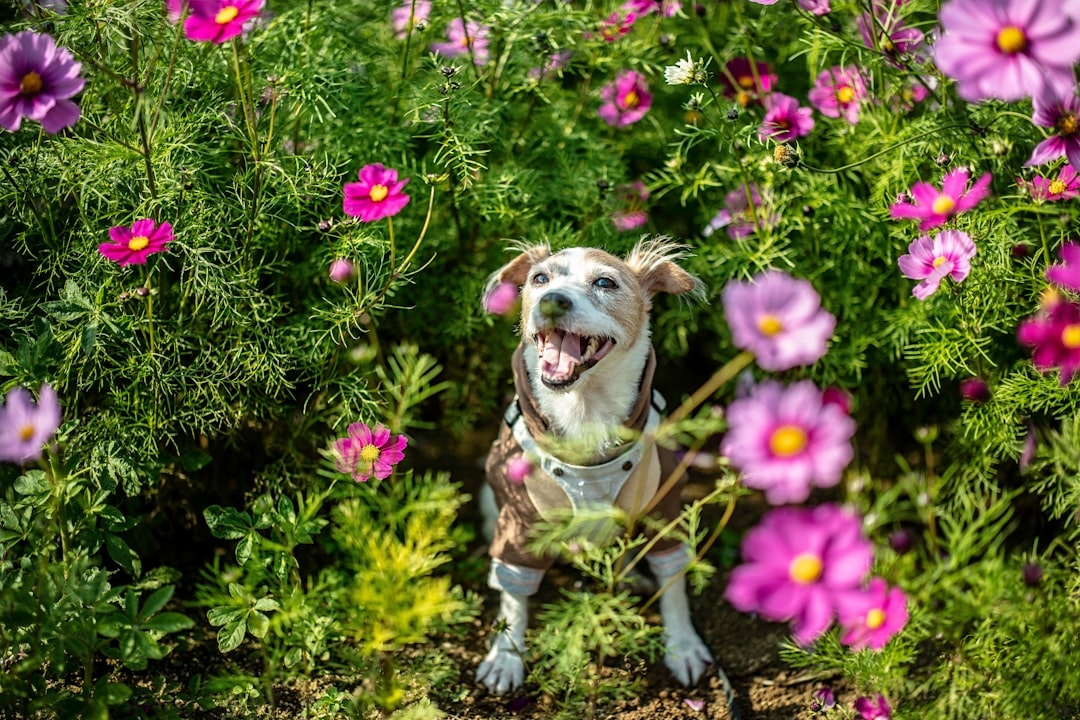
If you’re ordering from online US florists, check the full ingredient list or speak to customer service before finalizing your bouquet.
Outdoor Gardening: Building a Dog-Safe Flower Bed
A beautiful backyard doesn’t have to be off-limits. The same safety rules for bouquets apply for your garden, but with extra attention to digging, chewing, and sun exposure.
Top Outdoor Dog-Safe Flowers
- Calendula (Pot Marigold)
- Bee Balm
- Camellias
- Cornflower
- Petunias
- Bachelor’s Button
These plants can handle a dog’s curiosity. Marigolds and calendula, in particular, are favorites for their pest-repelling properties and colorful blooms.
Practical Tips for Pet Owners
- Mulch with Care: Cocoa mulch is toxic to dogs; opt for pine or cedar instead.
- Fence Off Delicate Beds: Use low decorative fencing if your dog loves to dig.
- Skip Chemical Sprays: Many pesticides and fertilizers can leave toxic residue–choose organic or pet-safe alternatives.
Common Myths About Flowers and Dogs
Myth 1: All Daisies Are Safe
False. While gerbera daisies are dog-friendly, other daisies, like chrysanthemums, are toxic.
Myth 2: “Natural” Means Non-Toxic
Many wildflowers and “natural” plants in US meadows are dangerous for pets. Always confirm Latin names with your nursery or vet.
Myth 3: Dogs Know What Not to Eat
Not always. A survey by the AKC in 2025 found that 1 in 5 dogs will chew on any new plant in their environment, regardless of taste.
FAQs About Dog-Safe Flowers
What flowers are 100% safe for dogs?
Roses, sunflowers, orchids (like Phalaenopsis), snapdragons, zinnias, and African violets are widely recognized as safe for dogs. These flowers contain no known toxins and can be safely kept in homes with dogs.
Are tulips or lilies safe for dogs?
No. Tulips contain toxic compounds (tulipalin A & B) that are harmful to dogs. Lilies are especially dangerous–ingestion can cause severe illness and are a leading cause of pet ER visits due to plant toxicity.
Can dogs eat roses?
Yes, in small amounts. True rose petals are non-toxic to dogs. However, eating large quantities may still cause mild stomach upset, and thorns can cause mouth injuries.
What should I do if my dog eats an unknown flower?
Remove any plant material from your dog’s mouth, take note of what was consumed, and call your veterinarian or the ASPCA Animal Poison Control Center (888-426-4435) immediately. Early action makes a big difference in outcomes.
Do florists offer pet-safe bouquets for delivery?
Yes. Many U.S. florists and flower delivery services, like 1-800-Flowers and UrbanStems, offer pet-friendly bouquet options. Always specify “dog-safe flowers only” when ordering.
Bringing Home Beauty, Keeping Pets Happy
Add a splash of color to your home with dog-friendly flowers–and skip the stress. Next time you order a bouquet or visit your local garden center, check the species, ask for pet-safe options, and share your needs with your florist. With just a bit of planning, it’s easy to keep both your living space and your best four-legged friend thriving. Try a vibrant sunflower arrangement or start a backyard zinnia patch this season–and see tails wag all year long.