Contents:
- Quick Answer: Best Flowers for a Minimalist Japanese Aesthetic
- Ikebana: The Philosophy Behind Minimalist Japanese Floristry
- Three Pillars of Ikebana
- Choosing Flowers for a Japanese Minimalist Look
- Native Alternatives for US Buyers
- Minimalist Arrangement Styles: Ikebana vs. Western Minimalism
- Vases and Tools: The Secret to Simplicity
- Iconic Vessels
- How to Create a Japanese Minimalist Flower Arrangement
- Step-by-Step Guide
- Where to Buy Minimalist Japanese Floristry Flowers in the US
- Minimalist Maintenance: Keeping Arrangements Fresh
- Frequently Asked Questions
- What flowers best represent Japanese minimalism?
- How do I make my flower arrangement look more “Japanese minimalist”?
- Can I recreate a Japanese-style minimalist flower arrangement with US-native flowers?
- How long do minimalist flower arrangements last?
- Where can I buy minimalist Japanese-style flower arrangements in the US?
- Ready to Try Minimalist Japanese Floristry?
Flowers for Minimalist Japanese Aesthetic
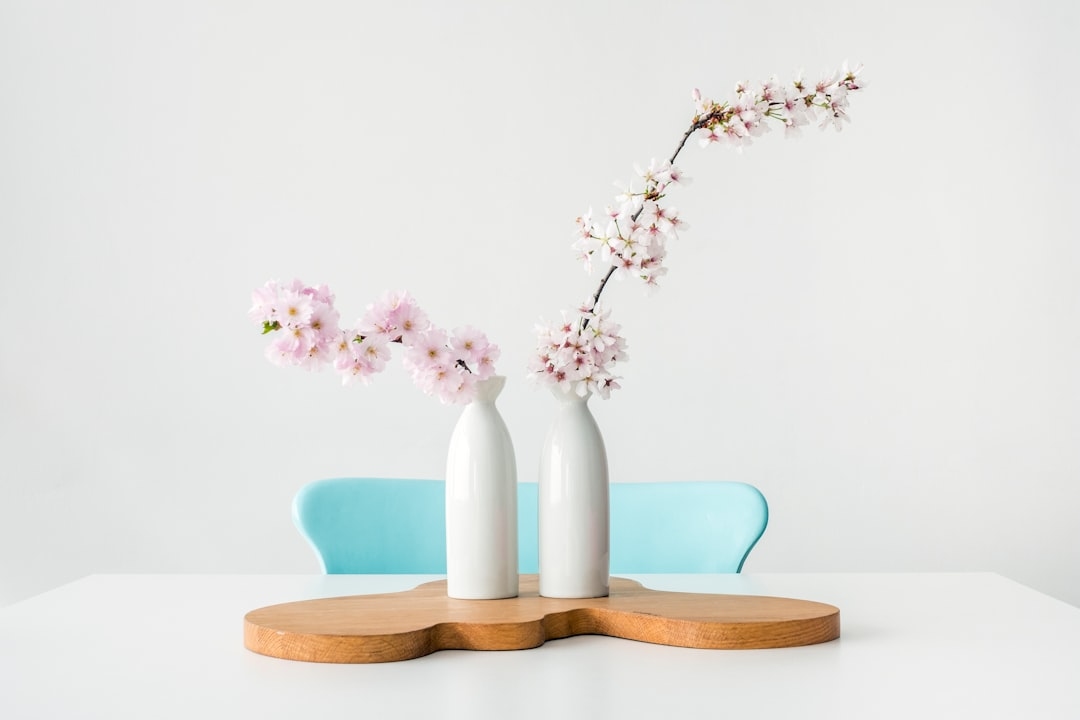
The right flower arrangement can transform a room–and nowhere is this more apparent than with minimalist Japanese design. One slender stem, perfectly poised. A ceramic vase with a gentle curve. The visual silence between petals becomes every bit as important as the flowers themselves. It’s not about abundance, but about intention. Japanese-inspired minimalism isn’t just a trend–it’s a centuries-old art form that finds new resonance in modern American homes.
Quick Answer: Best Flowers for a Minimalist Japanese Aesthetic
For minimalist Japanese-inspired floristry, focus on simplicity, negative space, and natural movement. Top choices include single stems of cherry blossom, camellia, anemone, or orchid. Stick to clean-lined vases and limit arrangements to 1-3 varieties per display. Prioritize seasonality and asymmetry, drawing from principles of ikebana (Japanese floral art).
Ikebana: The Philosophy Behind Minimalist Japanese Floristry
Minimalism in Japanese floristry is deeply rooted in ikebana, the centuries-old practice of ‘making flowers come alive.’ More than just arranging blooms, ikebana encourages harmony between the flowers, vase, and surrounding space.
Three Pillars of Ikebana
- Line over volume: A single arching branch often says more than a bouquet.
- Negative space: What’s left empty is just as vital as what is filled.
- Seasonal focus: Arrangements echo the rhythms of nature.
Dr. Naomi Kato, a Tokyo-trained ikebana instructor now teaching in Los Angeles, points out:
“Ikebana is less about what you add, and more about what you let go. Minimalism isn’t emptiness–it’s clarity.”
Choosing Flowers for a Japanese Minimalist Look
When selecting flowers, simplicity is key. Popular choices include:
- Cherry blossom (sakura): Delicate and fleeting, perfect for spring.
- Camellia: Glossy evergreen leaves and a single understated blossom.
- Ranunculus: Petal-rich, but easy to isolate for a minimalist look.
- Anemone: Clean, bold centers and thin, flexible stems.
- Japanese iris (Iris ensata): Linear, architectural forms.
- Orchid: Especially Phalaenopsis, for their elegant, spare curves.
- Magnolia branches: Dramatic, waxy blooms on bare stems.
Pro tip: In the US, local florists like UrbanStems and Farmgirl Flowers often stock single-stem or sparse bouquet options suitable for minimalist arrangements, typically priced $30-$75.
Native Alternatives for US Buyers
Authentic Japanese species can be tricky to source outside big cities. Some excellent American-grown substitutes:
- Dogwood branches (Cornus florida): Spring branches with subtle flowers.
- Calla lilies: Long-stemmed and sculptural.
- Eucalyptus: For green structure, especially ‘Silver Dollar’ or seeded varieties.
Minimalist Arrangement Styles: Ikebana vs. Western Minimalism
| Feature | Ikebana (Japanese) | Western Minimalism |
|---|---|---|
| Principle | Harmony, line, seasonality | Clean lines, simplicity |
| Stem Count | 1-5, very sparse | 1-3, often with repeats |
| Containers | Low, wide, or unusual vases | Cylindrical or geometric |
| Placement | Asymmetrical, dynamic | Symmetrical, static |
| Focus | Nature’s imperfection | Uniformity, perfection |
Example: An ikebana arrangement might feature a single irises arching over a kenzan (spiked flower frog) in a shallow bowl, with a stone for balance. Its Western minimalist cousin could be three white tulips in a clear glass vase centered on a table.
Vases and Tools: The Secret to Simplicity
True minimalist Japanese floristry isn’t only about the flowers. The vase or vessel is half the story.
Iconic Vessels
- Kenzan or ‘flower frog’: A spiked device to anchor stems, often used in ikebana.
- Hasami porcelain: Minimal, matte ceramics with clean lines.
- Shallow bowls: Show off negative space and stems.
- Bud vases: Single-stem glass or ceramic, such as those by Heath Ceramics (San Francisco, $40-$65).
Florist tip: Look for US-based brands like Heath Ceramics or Kinto USA for authentic, understated vessels that won’t overwhelm your arrangement.
How to Create a Japanese Minimalist Flower Arrangement
Step-by-Step Guide
- Choose your stems: 1-3 branches or flowers, ideally of varying heights.
- Select a vessel: Keep it simple–a low ceramic bowl or slender bud vase.
- Trim wisely: Remove all excess leaves and side shoots. Highlight the natural curve or angle of each stem.
- Anchor the stems: Use a kenzan (available on Amazon for ~$20) or a floral pin frog to secure.
- Consider placement: Let stems lean or arch; aim for asymmetry, not perfect balance.
- Leave negative space: Resist filling empty areas. The blankness draws the eye to your focal flower.
- Refresh water daily: Minimal arrangements spotlight every detail, including wilting leaves or cloudy water.
Estimated time: 10-20 minutes.
Most supplies: Under $100 for vase, kenzan, and a week of US-grown flowers.
Where to Buy Minimalist Japanese Floristry Flowers in the US
Specialty florists are catching on to the trend, especially in coastal cities.
- UrbanStems: “Ikebana” line featuring minimalist stems, $35-$80.
- Farmgirl Flowers: Custom sparse bouquets (request ‘minimal style’ in notes), nationwide delivery.
- The Bouqs Co.: Seasonal single-variety bouquets.
- Local markets: Look for Asian grocery stores (like H Mart) for branches and potted orchids.
Tip: For rare varieties (e.g., Japanese anemone), contact high-end florists or event specialists–expect to pay a premium ($10-$15 per stem for imported botanicals in 2026).
Minimalist Maintenance: Keeping Arrangements Fresh
Minimalist arrangements may seem lower-maintenance, but every flaw is visible.
- Change water daily
- Trim stems every 2-3 days
- Keep arrangements cool (60-68°F)
- Avoid direct sunlight (except for branches like magnolia, which need bright indirect light)
Dr. Emily Harrington, a Brooklyn-based botanist, notes: “In 2026, we’re seeing US florists offer ‘care kits’ with every minimalist arrangement–tiny scissors, spare kenzan, and written care instructions. Customers want beauty and longevity.”
Frequently Asked Questions
What flowers best represent Japanese minimalism?
Japanese minimalism favors cherry blossoms, camellias, anemones, Japanese iris, and orchids. These flowers have simple lines, subtle colors, and look elegant as single stems or sparse groupings, aligning with the minimalist and nature-inspired philosophy of ikebana.
How do I make my flower arrangement look more “Japanese minimalist”?
Use fewer stems, choose a simple vase, and focus on asymmetry. Trim away excess leaves, leave open space in your arrangement, and opt for seasonal or native flowers that echo natural growth. The arrangement should feel balanced, not crowded or uniform.
Can I recreate a Japanese-style minimalist flower arrangement with US-native flowers?
Yes. Substitute Japanese species with American natives like dogwood, calla lily, or wild cherry branches. Focus on flowers and branches with natural lines and minimal foliage, sticking to the principles of simplicity and space.
How long do minimalist flower arrangements last?
Most minimalist arrangements last 5-10 days, depending on flower type and care. Regular water changes and stem trimming can extend freshness. Woody branches like magnolia or dogwood can last 2 weeks or more, while cherry blossom stems bloom for about a week.
Where can I buy minimalist Japanese-style flower arrangements in the US?
Online florists like UrbanStems, Farmgirl Flowers, and The Bouqs Co. offer minimalist and ikebana-inspired arrangements with delivery in most US cities. Some local florists and Asian markets also stock suitable flowers and vessels.
Ready to Try Minimalist Japanese Floristry?
Take a stroll through your nearest flower market or order a few single stems from an online florist–challenge yourself to use just one or two flowers, and notice how much intention and artistry each stem carries. Minimalist Japanese arrangements aren’t about what you lack, but what you choose to highlight. With every arrangement, you’ll notice your eye–and your sense of calm–sharpening. Experiment with negative space, asymmetry, and seasonality. Your home will not only look different. It will feel different.