Contents:
- Are Silk Flowers Eco-Friendly? (Fast Facts & Direct Answer)
- What “Silk Flowers” Are Really Made Of
- The Polyester Problem
- Not Just Fabric – Hidden Plastics
- How Silk Flower Manufacturing Impacts the Environment
- The Carbon Footprint
- Worker & Manufacturing Safety
- How Do Silk Flowers Compare to Real Flowers–for the Planet?
- Fresh Flowers: Not Always Perfect, Either
- Dried Flowers, Paper Flowers, and New Alternatives
- How Long Do Silk Flowers Really Last? The Upside of Reuse
- Are Any Silk Flower Brands or Types Better for the Environment?
- Brands Advertising Sustainability
- Second-Hand and Upcycled Silk Flowers
- Real-World Costs: Silk vs. Fresh Flowers for US Customers
- How to Choose the Most Eco-Friendly Flower Options
- Are silk flowers recyclable in the US?
- Do silk flowers contain real silk?
- Are silk flowers biodegradable or compostable?
- How can I dispose of unwanted silk flowers responsibly?
- Are fresh flowers always a greener choice?
Are Silk Flowers Actually Eco-Friendly? What Florists Really Think in 2026
A bouquet of peonies in January. Wedding centerpieces that look perfect, rain or shine, at half the price of fresh. Silk flowers are everywhere in 2026–from upscale event halls in Manhattan to Etsy shops in Austin. But is that faux rose on your desk actually a greener choice, or just a pretty plastic problem in disguise?
Let’s get to the root of it: Are silk flowers actually eco-friendly? Here’s what florists, environmental scientists, and industry insiders are saying right now in the US.
Are Silk Flowers Eco-Friendly? (Fast Facts & Direct Answer)
Silk flowers are not inherently eco-friendly. Most “silk” flowers sold in America are made from petroleum-based polyester or plastic, not real silk, and the majority are produced in factories abroad–primarily China. Their long lifespan reduces the need for frequent replacement, but manufacturing and shipping create a sizable carbon footprint. Fake flowers aren’t biodegradable, and most end up in US landfills.
Summary:
- Material: Usually polyester/plastic, not silk
- Reusability: Yes, can last years
- Biodegradable: No
- Production impact: High (energy, emissions, overseas shipping)
- Disposal: Most go to landfill, not recycling
Bottom line: If you reuse them for years, silk flowers are less wasteful than single-use decor–but they’re not truly eco-friendly compared to sustainably grown, local fresh flowers or compostable alternatives.
What “Silk Flowers” Are Really Made Of
The Polyester Problem
Despite the name, almost no major US retailer sells true silk flowers. Target, Michaels, and Afloral all label their blooms as “silk.” In reality, over 95% of these products are made from dyed polyester fibers (source: American Florist Association, 2026). Polyester is a plastic derived from oil, and is energy-intensive to produce.
“Unless you’re buying antique luxury flowers from a specialty importer, you’re getting polyester.”
– Daisy Nguyen, Lead Designer, Greenleaf Sustainable Floristry, Portland
Not Just Fabric – Hidden Plastics
The petals might feel like fabric, but stems, leaves, and flower centers use PVC, wire, foam, or other plastics for structure. According to EcoBloom USA, a typical fake hydrangea stem contains:
- 60% polyester (petals/leaves)
- 30% plastic (stems, flower heads)
- 10% metal wire
This mix of materials makes recycling nearly impossible in most US cities–even in places with robust recycling programs.
How Silk Flower Manufacturing Impacts the Environment
The Carbon Footprint
Producing polyester emits about 9.52 kg of CO₂ per kilogram of fiber (NRDC, 2026). Since most fake blooms are imported from China or Southeast Asia, add thousands of miles of sea or air freight on top. The total emissions from making and shipping a silk rose can be ten to thirty times higher than a US-grown fresh rose, according to Dr. Jorge Ramirez, Environmental Chemist at UC Davis.
Comparison Table: Silk vs Fresh Local Flowers
| Factor | Silk Flowers | Local Fresh Flowers |
|---|---|---|
| Main Material | Polyester/plastic | Plant matter |
| Carbon Footprint | High (Factory & shipping) | Low (Local, seasonal) |
| Biodegradable | No | Yes (compostable) |
| Reusable | Yes (years with care) | No (unless dried) |
| Disposal | Landfill | Compost/bin |
Worker & Manufacturing Safety
Factories producing faux botanicals often face scrutiny over working conditions, water pollution from dyeing, and toxic glues. Since 2023, some brands like Nearly Natural have introduced limited recycled-content “eco” faux florals, but they represent under 2% of US market share.
How Do Silk Flowers Compare to Real Flowers–for the Planet?
Fresh Flowers: Not Always Perfect, Either
Imported fresh flowers, especially off-season roses from Ecuador or the Netherlands, need refrigeration, airfreight, and heavy pesticide use. Valentine’s Day alone sees over 250 million roses shipped to America (USDA, 2026).
But local and organic flower farms–like those certified by Certified American Grown Flowers–use less packaging, minimal chemicals, and can be composted. Many florists now offer “farm-to-vase” subscriptions with seasonal US-grown blooms.
Dried Flowers, Paper Flowers, and New Alternatives
Eco-conscious event planners in 2026 have more choices:
- Dried flowers: Naturally preserved, compostable, no synthetic input. (Check out Austin-based dried flower specialist, Flower Folk)
- Paper flowers: Made by US artists like The Lovely Ave from crepe or recycled paper.
- Bioplastic or recycled PET faux flowers: Emerging, but still rare and pricier.
How Long Do Silk Flowers Really Last? The Upside of Reuse
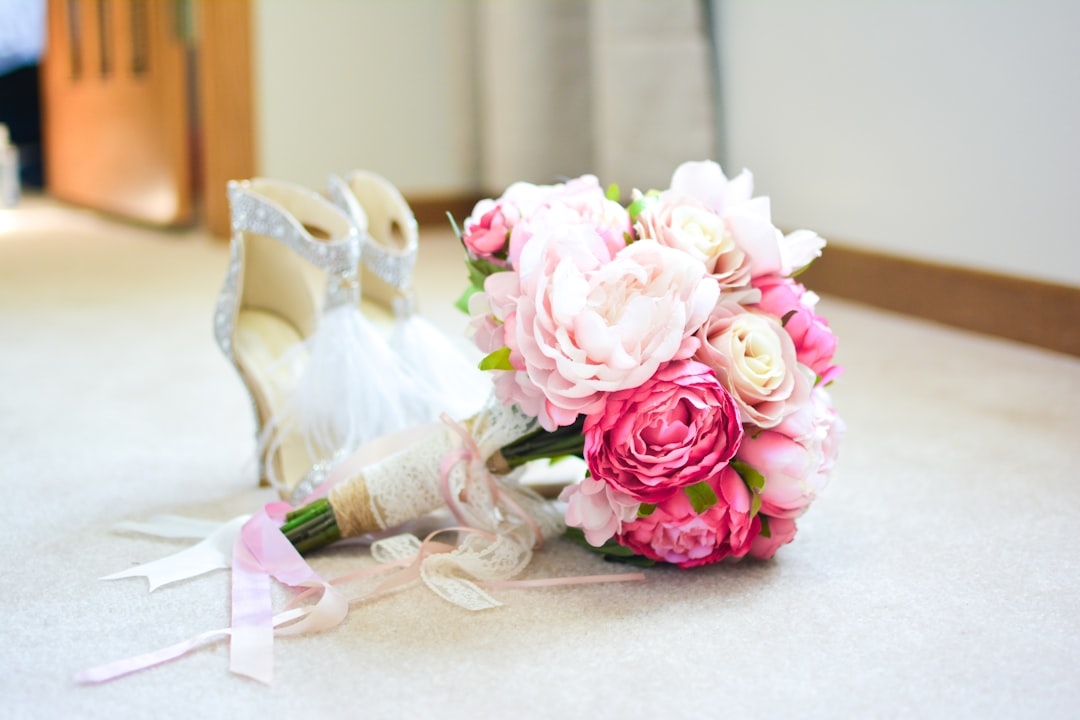
Silk flowers can remain vibrant for five years or more with minimal care. That’s the main eco-friendly selling point: use the same bouquet for a decade, and you’re not buying dozens of fresh arrangements.
Pull-quote:
“For home décor or events where you’ll reuse the arrangement–like restaurant tables or rental wedding arches–artificial flowers drastically cut waste and long-distance shipping.”
– Rachel S., Owner, Urban Petal Rentals, Los Angeles
However, the reality is mixed. After a year or two, many end up stored, tossed, or replaced as trends shift. Americans send more than 10 million pounds of artificial flowers to landfill annually (EPA estimate, 2026).
Are Any Silk Flower Brands or Types Better for the Environment?
Brands Advertising Sustainability
In 2026, a handful of US brands market “green” faux florals:
- Nearly Natural: Partial use of recycled polyester
- Terrain: Offers a very limited line of recycled-fabric blooms
- Afloral: Claims to avoid toxic dyes in select SKUs
None offer true closed-loop recycling or 100% biodegradable options. Look for:
- Products made with high recycled material percentage
- Clear info on supply chain and manufacturing ethics
- Minimal/compostable packaging
Second-Hand and Upcycled Silk Flowers
Buying or renting pre-loved arrangements (via Facebook Marketplace, Rent the Runway Weddings, or local event rental shops) is significantly greener. Upcycling old faux blooms into new wreaths or décor also extends their useful life.
Real-World Costs: Silk vs. Fresh Flowers for US Customers
In the US, a silk bridal bouquet from an Etsy artist averages $75-$200. Comparable fresh bouquets (in-season, local) run $150-$275 via FTD or UrbanStems. Bulk faux garlands ($30-$50 for 6 ft) are popular for events, but prices vary with realism.
What’s the true “cost” to the planet?
- Cheap, fast-fading faux florals replaced yearly add up in environmental impact.
- A high-quality silk arrangement reused for years can out-green supermarket bouquets flown from overseas.
How to Choose the Most Eco-Friendly Flower Options
- Go local and seasonal: Ask florists for US-grown blooms (look for Certified American Grown).
- Reuse or rent: Opt for silk/realistic faux arrangements only if you’ll use them long-term.
- Compostable alternatives: Dried, pressed, or paper flowers for zero-waste events.
- Buy secondhand: Check rental services or community resale before buying new.
- Ask questions: Request info on supply chain, recycled content, and packaging.
FAQs: Silk Flowers and Sustainability
Are silk flowers recyclable in the US?
No, most silk flowers are not recyclable in the US due to their blend of fabric, plastic, and wire. Municipal recycling centers typically reject them.
Do silk flowers contain real silk?
Almost never. In 2026, over 95% of so-called “silk flowers” sold in the US are made from polyester or plastic, not real silk.
Are silk flowers biodegradable or compostable?
No. Polyester and plastic components in silk flowers do not break down in home or commercial compost.
How can I dispose of unwanted silk flowers responsibly?
The greenest options are to donate, resell, or repurpose them. As a last resort, place in the trash; do not put in recycling or compost bins.
Are fresh flowers always a greener choice?
Not always. Imported fresh flowers often have a large carbon footprint, but local, seasonal, and organic flowers are the most eco-friendly choices.
Thinking of switching up your floral game in 2026? Try a local flower CSA, rent realistic faux arrangements for special events, or get creative with dried stems and paper blooms. The most eco-friendly bouquet is one that’s used, loved, and eventually returned to the earth–or passed along for the next celebration.