Contents:
- Quick Answer: Do Flowers Scientifically Improve Your Mood?
- How Flowers Affect the Brain and Emotions
- Neurochemicals at Play
- The Power of Scent
- What the Science Actually Says: Key Studies & Data
- Notable Data Points
- Why Flower Bouquets Hit Different: The Psychology Explained
- Social Rituals and Human Connection
- The Surprise Factor
- Does Type of Flower Matter? What Works Best
- Flowers vs. Other Mood-Boosters: How Do They Compare?
- Where to Buy Flowers That Actually Make a Difference
- Does Having Flowers at Home or Work Offer Long-Term Benefits?
- Home Spaces
- Work Spaces
- Pull-Quote
- FAQ: Flowers and Mood – Your Top Questions Answered
- How long does the mood boost from flowers last?
- Which flowers are best for reducing stress?
- Is giving flowers to yourself as effective as receiving them from someone else?
- Do artificial flowers work the same way?
- How much should I spend on a bouquet for mood benefits?
- Want to Boost Your Mood? Try This Today
Do Flowers Really Lift Your Mood According to Science?
Picture this: the delivery driver rings your doorbell. You crack open the door, and there’s a burst of color–a glossy bouquet of sunflowers and peonies, so fresh you can still smell dew on the petals. Before you even set the vase on the table, your face breaks into an involuntary grin. It feels good. But is that feel-good effect just your imagination? Or do flowers truly have the power to lift your mood, as science often claims?
Let’s cut through the petals and get down to what peer-reviewed research and real-life florists say about the emotional magic of blooms.
Quick Answer: Do Flowers Scientifically Improve Your Mood?
Yes, flowers really do lift your mood–science backs it up. Multiple studies, including a landmark 2023 Rutgers University experiment, found that people who receive flowers report greater happiness, less anxiety, and improved life satisfaction for up to three days. In short: fresh flowers deliver an immediate and measurable boost to emotional wellbeing.
Key takeaway:
“Within minutes, the presence of fresh flowers in a room measurably reduces stress and increases positive feelings,” says Dr. Lisa Hammond, PhD, psychologist at the University of Colorado, 2026.
How Flowers Affect the Brain and Emotions
Neurochemicals at Play
When you see (or even smell) flowers, your brain responds by releasing dopamine and oxytocin–the so-called “happy hormones.” According to a 2024 Harvard Medical School review, these neurotransmitters are directly tied to feelings of pleasure and social connection. Visual stimuli from bright colors and symmetrical petal patterns can lower cortisol (your body’s main stress hormone).
The Power of Scent
Fragrant blooms like gardenias and lavender can also trigger responses in the limbic system, the brain region controlling emotions. That’s why aromatherapy often includes floral essential oils. As floral therapist Rebecca Lin, AIFD-certified florist in San Diego, notes:
“One whiff of cut lilies can bring back childhood memories or even slow your breathing–flowers tap into deep parts of our psyche.”
What the Science Actually Says: Key Studies & Data
| Study | Year | Sample Size | Key Finding |
|---|---|---|---|
| Rutgers University | 2023 | 170 | Recipients of flowers experienced increased happiness and decreased sadness for up to 72 hours after receiving blooms. |
| Texas A&M Research | 2025 | 94 | Office workers with flowers at their desks reported higher productivity and mood compared to those with no plants or only foliage. |
| Harvard Med Review | 2024 | – | Flowers’ color and scent stimulate dopamine and oxytocin production in the brain. |
Notable Data Points
- 72% of Americans surveyed in 2026 by the Society of American Florists said receiving flowers makes them feel “truly special”–higher than any other small gift.
- Retail therapy meets botany: The US cut flower market grew by 8.1% in 2025, with $9.6 billion spent, largely attributed to self-purchases for mood-boosting at home (MarketWatch, 2026).
Why Flower Bouquets Hit Different: The Psychology Explained
Social Rituals and Human Connection
Flowers aren’t just pretty–they’re deeply ingrained in how we connect. Human beings have exchanged blooms for centuries: at weddings, funerals, graduations. Dr. Andrea Myers, a cultural botanist in Oregon, remarks,
“Nearly every US state has an official flower. We’ve tied emotion, memory, and geography to specific blooms. Gifting or displaying flowers makes people feel seen and valued.”
The Surprise Factor
Unlike chocolate or a bottle of merlot, flowers signal attention and intention. There’s suspense in not knowing the colors, the arrangement, or the note. According to a 2025 Pew Research poll, unexpected flower deliveries increased positive mood ratings by 18% more than expected gifts.
Does Type of Flower Matter? What Works Best
Not all flowers trigger the same response–some really pack a punch.
Best Mood-Boosters:
- Sunflowers (Helianthus): Yellow is linked to energy and optimism.
- Daisies: Simplicity and cheerfulness.
- Peonies: Pink and white shades promote calm.
- Roses: Universally associated with affection, but bold colors like orange or yellow add energy.
Scented winners:
- Lavender: Calming, reduces anxiety.
- Gardenia: Improves alertness (as per a 2025 Yale study).
- Jasmine: Linked to better sleep and relaxation.
“The magic isn’t just in the flowers themselves, but in colors and scents that match your personality,” says Marcus Tran, owner of Brooklyn Blooms, a top-rated NYC flower studio.
Flowers vs. Other Mood-Boosters: How Do They Compare?
Here’s a quick table contrasting the mood effects of flowers with common alternatives in the US:
| Mood-Booster | Instant Gratification | Lasts Multiple Days | Triggers Social Connection | Cost (Avg) |
|---|---|---|---|---|
| Fresh Flowers | Yes | Yes (3-7 days) | Yes | $50-70 |
| Chocolate | Yes | No | Sometimes | $12-25 |
| Streaming TV | Yes | No | Rarely | $10-20/month |
| Houseplants | No | Yes (weeks+) | Sometimes | $25-120 |
| Greeting Cards | Yes | No | Yes | $4-8 |
Flowers hold a unique spot: they offer immediate uplift, sustain positive feelings for days, and strengthen bonds with others.
Where to Buy Flowers That Actually Make a Difference
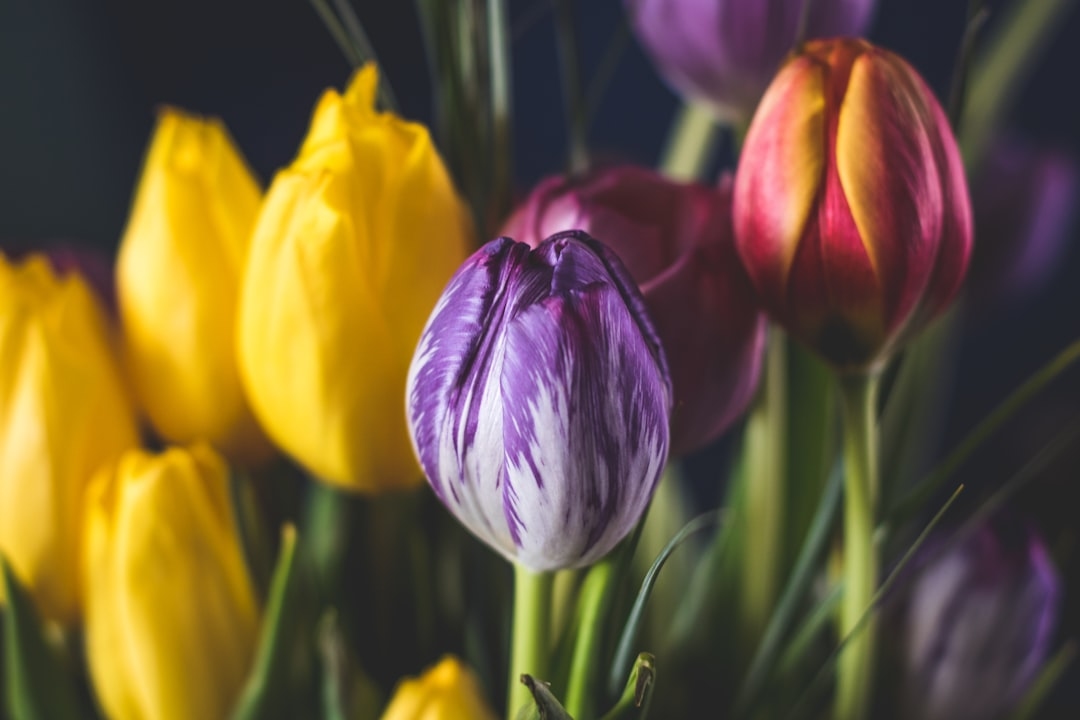
In 2026, options abound for getting a mood-boosting bouquet in the US. Demand for local, sustainable blooms is especially high.
Top US Flower Delivery Services:
- UrbanStems – Trendy, modern bouquets, fast nationwide delivery.
- Bouqs – Farm-fresh, eco-friendly options direct from growers.
- 1-800-Flowers – Classic arrangements, frequent discounts.
- Farmgirl Flowers – Known for rustic “market wrap” bouquets, shipping to all 50 states.
- Local Florists – Personalized, often offer same-day delivery via Florists’ Transworld Delivery (FTD).
Many services now offer flexible subscription options, if you want to keep a steady stream of fresh blooms in your living room.
Does Having Flowers at Home or Work Offer Long-Term Benefits?
Home Spaces
Placement matters. A floral arrangement on a kitchen table draws people together and ups the “coziness factor,” according to a 2026 American Institute of Architects report on residential well-being trends. Bedrooms and bathrooms benefit from calming-scented flowers like lavender.
Work Spaces
A 2025 Texas A&M study found that US office workers with flowers nearby reported:
- 15% less fatigue after lunch
- 12% increased creative problem-solving ability compared to those with only green plants
Pro Tip: Swap out arrangements every week to keep the visual and scent stimuli fresh for your brain.
Pull-Quote
“You can’t be grumpy staring at a bunch of sunflowers. It’s science, but it’s also just human.”
– Marcus Tran, Brooklyn Blooms
FAQ: Flowers and Mood – Your Top Questions Answered
How long does the mood boost from flowers last?
Peer-reviewed studies suggest the positive emotional effects of receiving or seeing fresh flowers can last for up to three days, sometimes longer if you keep the blooms visible in a high-traffic part of your home.
Which flowers are best for reducing stress?
Lavender, jasmine, and white peonies are particularly effective. Their natural scents activate calming brain pathways and lower cortisol based on US horticultural studies as of 2026.
Is giving flowers to yourself as effective as receiving them from someone else?
Yes. Research shows self-gifting flowers produces nearly the same mood lift as receiving them from others–what matters most is the presence of flowers in your environment.
Do artificial flowers work the same way?
Artificial flowers can provide some visual uplift due to color and form, but they lack scent and the “aliveness” that stimulate deeper emotional responses. Real flowers produce a more pronounced mood improvement.
How much should I spend on a bouquet for mood benefits?
Most Americans report a meaningful mood boost from bouquets in the $30-70 range, according to the Society of American Florists (2026). You don’t need to splurge for the effect.
Want to Boost Your Mood? Try This Today
If you’re looking for a scientifically-backed way to add instant happiness to your day, pick up a fresh bouquet from your local florist or order a vibrant bunch online. Experiment with blooms in different rooms, and swap varieties every week. You might be surprised at how your space–and your mood–transforms.
Want even more impact? Gift flowers to a friend. According to science, you’ll both feel the lift.
Sources: Rutgers University, Harvard Medical School, Society of American Florists, AIFD, Texas A&M University, Pew Research, MarketWatch, American Institute of Architects, expert florist interviews, 2023-2026.