
Contents:
- What Is the Proper Etiquette for Catholic Funeral Flowers? (Scannable Answer)
- The Meaning Behind Catholic Funeral Flowers
- Symbolism of Popular Catholic Sympathy Flowers
- When and Where to Send Catholic Funeral Flowers in the US
- Appropriate Places to Send Flowers
- Inappropriate Situations for Sending Flowers
- Types of Funeral Flower Arrangements: What to Choose
- Specific Arrangement Types
- Catholic Funeral Flower Dos and Don’ts
- Do:
- Don’t:
- How to Order and Send Catholic Funeral Flowers in the US
- Online vs. Local Flower Delivery
- What To Write on the Sympathy Card
- Pull-Quote
- Navigating Catholic Traditions by Ethnicity and Region
- FAQ: Catholic Funeral Flower Etiquette
- Can you send flowers to a Catholic funeral during Lent?
- Are there any flowers you should avoid for Catholic funerals?
- How much should I spend on funeral flowers in the US?
- Should flowers go to the funeral home or directly to the church?
- Is it appropriate to donate to charity instead of sending flowers?
- Action Steps for Sending Catholic Funeral Flowers in 2026
Catholic Funeral Flower Etiquette – Complete Guide
On any given Saturday in Chicago, you’ll find more lilies in local florists’ fridges than at Easter Mass. Why? They’re the go-to flower for Catholic funerals, along with roses, carnations, and gladiolus. But the meaning behind those flowers–and how to send them respectfully–runs deeper than most Americans realize.
Etiquette for Catholic funeral flowers isn’t just about picking a pretty bouquet. It’s a way of honoring faith, family, and tradition. Missteps can hurt, but thoughtful choices can comfort grieving families, express reverence, and reflect centuries-old customs.
What Is the Proper Etiquette for Catholic Funeral Flowers? (Scannable Answer)
- Choose traditional sympathy flowers: lilies, roses, carnations, gladiolus, chrysanthemums
- Opt for subdued colors (white, cream, soft pink) symbolizing peace and respect
- Send arrangements directly to the funeral home, church, or family’s home–never to the altar
- Avoid religious symbols unless you’re sure they match the family’s faith
- Sign the card with your full name and relationship to the deceased or family
- For close family, larger sprays and casket covers are appropriate; friends and colleagues should send standing arrangements, wreaths, or baskets
The Meaning Behind Catholic Funeral Flowers
In Catholic tradition, flowers are more than just decor. They’re prayers in bloom–a visual language with roots stretching back centuries.
Symbolism of Popular Catholic Sympathy Flowers
Lilies are almost synonymous with purity and resurrection in the Church. Florist and Catholic liturgy expert Maria Corrigan (owner, Saint Jude Florals, Boston) says, “White lilies are the single most requested flower for Catholic funerals in 2026, reflecting both the resurrection and hope in Christ.”
- Roses: White for reverence, red for love and grief.
- Carnations: Symbolize pure love of the Virgin Mary; whites are especially popular in Hispanic Catholic communities.
- Chrysanthemums: In the US, they signal honor and sympathy, while in Europe they’re exclusively funeral flowers.
- Gladiolus: Stand for strength of character and remembrance.
Pro tip: Avoid bright, celebratory bouquets (hot pink, orange, sunflower yellow). Soft, muted palettes are a safer bet.
When and Where to Send Catholic Funeral Flowers in the US
Timing and location matter. Not every arrangement belongs at every stage of mourning.
Appropriate Places to Send Flowers
- The Funeral Home: Most common for wakes and viewings. Standing sprays or baskets are ideal.
- The Church: Send only if church policy allows (call ahead); avoid altar arrangements unless requested by the family.
- The Family’s Home: Lower-key arrangements are suitable for delivery before or after the service.
“Sending an extravagant display to the altar can unintentionally overshadow liturgical elements,” warns Deacon Rafael Martinez, Diocese of San Antonio.
Inappropriate Situations for Sending Flowers
- Catholic Good Friday funerals often omit flowers entirely due to liturgical solemnity.
- During Lent, some parishes restrict flower displays. Always check with the family or parish office.
- Arrangements with explicit non-Catholic religious symbols should be avoided unless you know the family’s wishes.
Types of Funeral Flower Arrangements: What to Choose
Not all bouquets are created equal. The relationship to the deceased–and what stage of the funeral you’re acknowledging–determines the arrangement style.
| Relationship | Arrangement Type | Typical Cost (USD) | Notes |
|---|---|---|---|
| Immediate family | Casket spray, wreath | $250-$800 | Family typically purchases casket flowers |
| Extended family | Standing spray, basket | $125-$400 | Coordinate with siblings/cousins to avoid duplication |
| Friends, colleagues | Basket, vase, wreath | $60-$200 | Mid-size, tastefully subdued |
| Organizations/groups | Large spray, standing cross | $300-$900 | Corporate or parish groups sometimes pool resources |
Specific Arrangement Types
- Casket Sprays: Reserved for closest kin (spouse, children).
- Standing Sprays & Crosses: Popular with extended family or parish groups.
- Wreaths: Symbolize eternity; appropriate from family or groups.
- Baskets & Bouquets: Good for colleagues and friends.
- Live Plants: Lasting sympathy gesture, often delivered to the home post-service.
Average US pricing (2026): Sympathy arrangements run $100-$350; grand casket sprays may exceed $700, especially from high-end florists like 1-800-Flowers or urban shops in New York and LA.
Catholic Funeral Flower Dos and Don’ts
A few rules make all the difference. Veteran florist Annabelle Kim (Petal & Vine, San Francisco) puts it simply: “Honoring tradition is an act of kindness.”
Do:
- Select flowers that symbolize peace and faith (lilies, roses, chrysanthemums).
- Double-check delivery details with the funeral home or church.
- Include a brief, heartfelt message: “With deepest sympathy, The Miller Family.”
- Respect family or parish requests: Some may prefer charitable donations in lieu of flowers.
Don’t:
- Send arrangements with no card; anonymous flowers cause confusion.
- Choose flowers with overwhelming fragrance (stargazer lilies can trigger allergies).
- Send flowers to the altar unless invited by the family.
- Use bold, celebratory colors without family input.
How to Order and Send Catholic Funeral Flowers in the US
In 2026, ordering is easier–and more customizable–than ever. But a few tips can spare you unintentional faux pas.
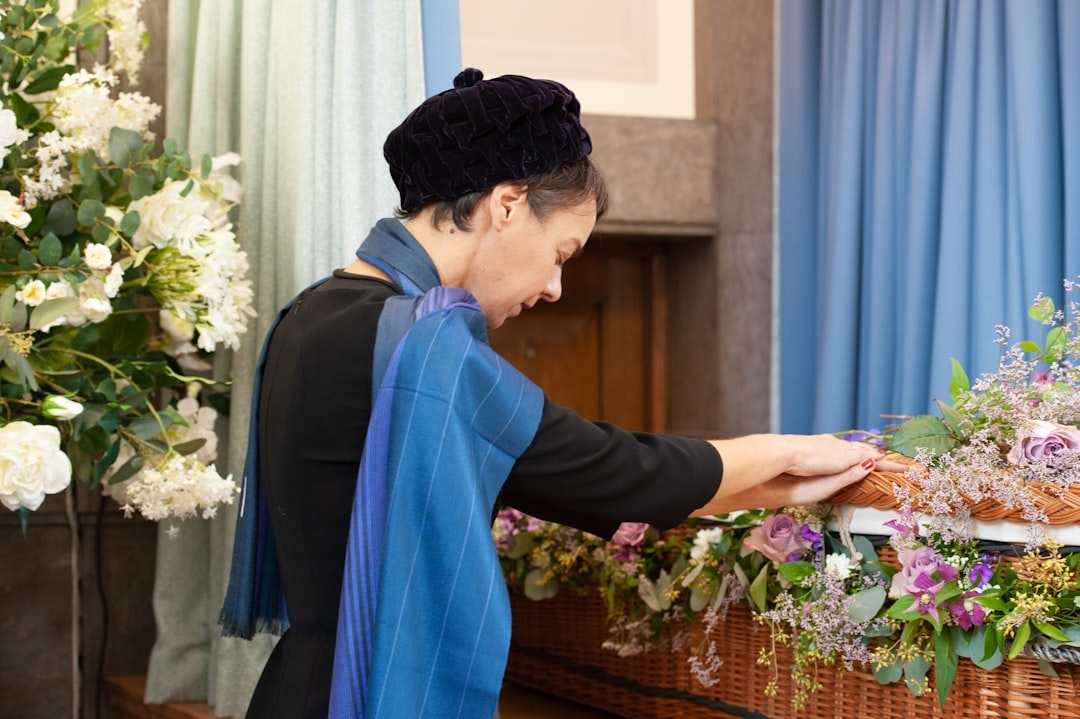
Online vs. Local Flower Delivery
- Online services like Teleflora, FTD, and 1-800-Flowers dominate national delivery. They offer same-day options and Catholic-specific arrangements.
- Local florists (like City Blooms, Chicago or Blessed Petals, Miami) provide custom touches, often hand-delivering to the service.
Delivery window: Aim for 2-12 hours before the viewing or service. Call the funeral home to confirm timelines.
What To Write on the Sympathy Card
Keep it short, respectful, and personal. Examples:
- “With prayers for peace, The Ramirez Family”
- “In loving memory and with deepest sympathy, John & Mary Jacobs”
- “May God’s comfort be with you all, The HR Team at Cambridge Biotech”
Pull-Quote
“In Catholic funerals, flowers whisper what words can’t say–offering hope, memory, and prayers, all woven into petals and stems.”
– Maria Corrigan, Saint Jude Florals
Navigating Catholic Traditions by Ethnicity and Region
America’s Catholic community is richly diverse. Customs may differ for Latino, Irish, Italian, Filipino, or Polish families.
- Latino Catholics: Carnations and marigolds are popular; elaborate altar displays may be welcome.
- Irish/Italian Catholics: Grand white arrangements, often roses and lilies.
- Polish Catholics: Chrysanthemums signal honor and respect.
- Filipino Catholics: Mixed arrangements with tropical blooms, if available–though white remains a standard.
Tip: When in doubt, call the funeral home, parish office, or a cultural liaison at the church. Most are happy to clarify.
FAQ: Catholic Funeral Flower Etiquette
Can you send flowers to a Catholic funeral during Lent?
Lent is a penitential season in Catholicism (February to mid-April most years). Many parishes limit or ban flowers during this time, especially during Holy Week and Good Friday. Always check with the family or parish before sending.
Are there any flowers you should avoid for Catholic funerals?
Skip bright, festive colors and rare exotics. Red roses are acceptable, but avoid all-red arrangements unless you know they suit the family’s culture. Stick with lilies, white roses, carnations, and chrysanthemums.
How much should I spend on funeral flowers in the US?
Sympathy arrangements typically range from $80-$350 in 2026. Casket sprays or large standing wreaths cost $250 or more and are usually purchased by close family. Friends and colleagues often spend $100-$200.
Should flowers go to the funeral home or directly to the church?
The funeral home is the traditional delivery spot. Only send to the church if invited by the family or if the parish accepts deliveries. For home deliveries, smaller bouquets or plants are best.
Is it appropriate to donate to charity instead of sending flowers?
Absolutely. If the obituary or family requests donations in lieu of flowers, respecting this wish is a thoughtful form of support. Many Catholic families appreciate memorial gifts to organizations meaningful to the deceased.
Action Steps for Sending Catholic Funeral Flowers in 2026
When you want to honor faith and offer comfort, thoughtful flowers can say what words can’t. Before you order, double-check details with the funeral home or family, choose classic arrangements in peaceful colors, and include a message of sympathy and hope. If you’re unsure about a tradition, don’t hesitate to ask–a quick call to the parish or a local florist helps you get it right and shows you care.