Contents:
- Quick Answer: Is Flower Farming a Good Side Hustle?
- What Flower Farming Looks Like in 2026
- The Micro-Farm Revolution
- Who’s Succeeding?
- Getting Started: Flowers, Tools, and Costs
- What You’ll Grow (and What to Avoid)
- Tools & Supplies: Essentials vs. Nice-to-Haves
- Expected Startup Costs
- The Flower Farming Calendar: What Your Year Looks Like
- Planning and Seed Starting (January-March)
- Planting and Maintenance (April-June)
- Peak Harvest (June-September)
- Marketing and Selling (July-October)
- Cleanup and Prep for Next Year (October-December)
- Sales Channels: Where Do Side-Hustle Flower Farmers Actually Sell?
- Profit Reality Check: How Much Can You Make?
- Realistic Earnings for US Flower Side Hustlers
- Expenses to Expect
- Profit Margin
- Legal and Logistical Hurdles
- Marketing Tips for Micro Flower Farmers
- Social Media: Your Best Friend
- Storytelling Sells
- Build Partnerships
- Keep It Legal
- Common Flower Farming Side Hustle Mistakes (and How to Avoid Them)
- Flower Farming as a Side Hustle: FAQs
- How much land do you need to start flower farming as a profitable side hustle?
- What are the startup costs for small-scale flower farming in the US?
- How much can you realistically earn growing flowers on the side?
- Do you need a business license or insurance for flower farming?
- What are the best flowers for beginners to grow and sell?
- Take Your First Step – The Joy (and Grit) of a Backyard Bloom Business
Flower Farming as a Side Hustle – The Realistic Guide
Picture this: a backyard bursting with vibrant zinnias, sunflowers beaming at the fence, stems bundled by hand. In 2026, Americans flock to farmers’ markets and Instagram for local blooms, not just supermarket bouquets. With cut flower sales reaching over $8.1 billion in the US (Statista), more folks are growing their own – and turning part-time passion into profit.
Have you ever wondered if flower farming could be your ideal side hustle? Here’s an unvarnished, practical guide to what it takes, what to expect, and where the real money (and joy) is in floristry for the homegrown entrepreneur.
Quick Answer: Is Flower Farming a Good Side Hustle?
Yes, flower farming can be a rewarding side hustle, but it’s not instant riches. Here’s why:
- Startup costs for a basic backyard flower plot in the US range from $700-$2,500 for year one (seeds, tools, irrigation, basic marketing).
- Expect to work 4-15 hours weekly during the growing season (April-October in most zones).
- Potential earnings: $1,500-$8,000+ per season for a 1/8 acre plot, based on sales at markets, subscription “bouquet clubs,” and small events.
- Challenges: Unpredictable weather, pest management, local market saturation, and the need for direct marketing.
- Best suited for: People with outdoor space, basic gardening skills, and a willingness to learn business basics.
What Flower Farming Looks Like in 2026
In the past decade, US demand for locally grown flowers has exploded. According to Dr. Lisa Moreno, horticulturist at Colorado State University, “Nearly 70% of florists surveyed in 2026 now prioritize sourcing domestic and seasonal blooms.” Giants like Bouqs and Farmgirl Flowers still dominate national shipping, but conscientious consumers crave fresh, unique stems from homegrown operations.
The Micro-Farm Revolution
- Plot sizes: Most side hustlers operate on 1/16 to 1/4 acre (about 2,700-10,000 sq ft). That’s a large yard or a few community garden beds.
- Crop choices: Annuals (zinnias, cosmos, sunflowers), easy perennials (peonies, lilies), filler greenery (basil, eucalyptus).
- Most profitable: Lisianthus, ranunculus, dahlias – high-value, high-demand stems for weddings and events.
Who’s Succeeding?
Meet Maya Thompson, founder of Petal & Stem Patch in Madison, Wisconsin: “My first season with a 900 sq ft plot, I sold $3,400 worth of bouquets and learned more than any garden book could teach. Consistency and friendly branding made a huge difference.” Similar stories abound from coast to coast, with side hustlers thriving on authenticity and nimble social media marketing.
Getting Started: Flowers, Tools, and Costs
What You’ll Grow (and What to Avoid)
Beginner-friendly flowers:
- Zinnias
- Sunflowers (ProCut, not wild types)
- Cosmos
- Snapdragons
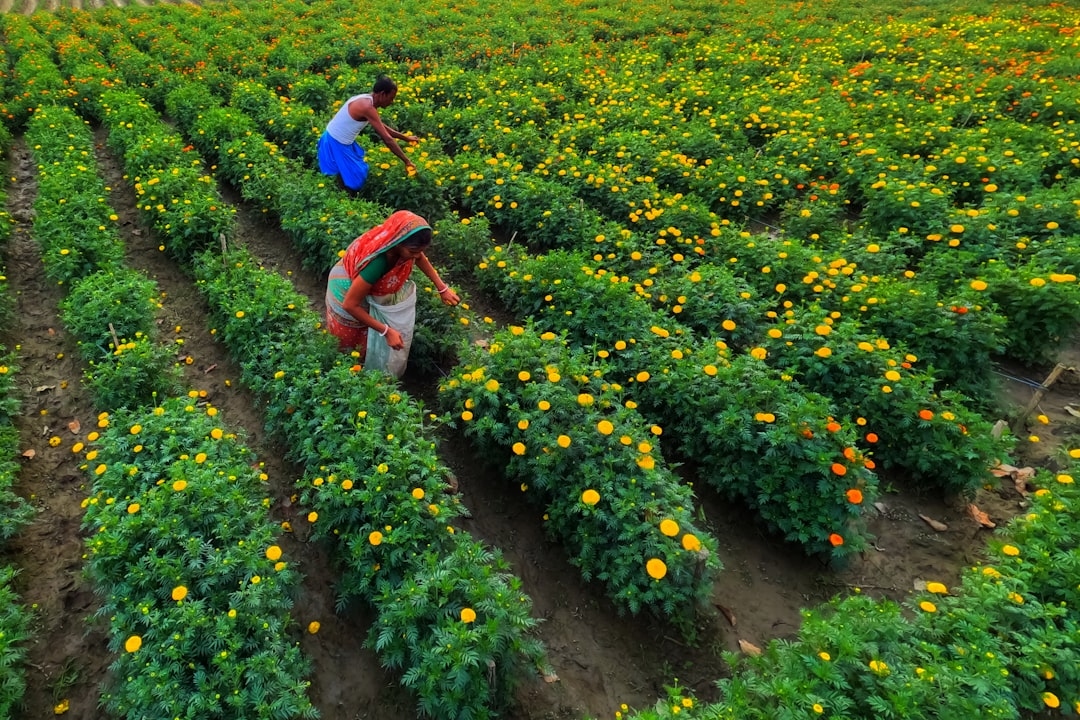
- Marigolds
Skip these as a newbie:
- Roses – disease-prone, slow to establish
- Most orchids – need strict climate control
- Exotic bulbs – higher cost, less demand
Tools & Supplies: Essentials vs. Nice-to-Haves
| Item | Must-Have | Optional Upgrade | Typical Cost (USD) |
|---|---|---|---|
| Quality seeds/plugs | ✓ | Specialty varieties | $100-$350/season |
| Sharp snips | ✓ | Felco #2 or ARS CT-34 | $20-$60 |
| Buckets & vases | ✓ | Floral hydration wraps | $50-$150 |
| Drip irrigation | ✓ | $150-$400 | |
| Row covers/netting | ✓ | $80-$200 | |
| Branding supplies | ✓ | Custom labels, flyers | $50-$250 |
“Small investments in good snips and germination trays will pay for themselves by mid-season,” says Derrick Han, veteran flower grower and author of Backyard Bouquets for Profit.
Expected Startup Costs
- Barebones setup: $700-$1,200
- Well-equipped micro-farm: $1,800-$2,500
- Licensing, insurance, and markets: $150-$600 (varies by state/county)
The Flower Farming Calendar: What Your Year Looks Like
1. Planning and Seed Starting (January-March)
- Order seeds and supplies by January.
- Start seeds indoors (use grow lights or a sunny window).
- Map your plot, ensuring rotation for soil health.
2. Planting and Maintenance (April-June)
- Prep beds, lay compost, plant hardy annuals first.
- Monitor for pests (aphids, mites) – avoid harsh chemicals; consider neem oil or insecticidal soap.
3. Peak Harvest (June-September)
- Cut flowers early morning.
- Condition stems in cool water, strip lower leaves.
- Arrange, bundle, label, and store ready for sales.
4. Marketing and Selling (July-October)
- List bouquets on Instagram, Facebook Marketplace, or Shopify.
- Sell at farmers’ markets, local groceries, or porch pickups.
- Offer weekly bouquet subscriptions (“CSA”–Community Supported Agriculture).
5. Cleanup and Prep for Next Year (October-December)
- Clear beds, compost plant debris.
- Take stock of what sold best.
- Plan tweaks for the next season.
Sales Channels: Where Do Side-Hustle Flower Farmers Actually Sell?
Local is everything for small-scale growers in the US. Here’s how the hustlers are making money:
| Channel | Pros | Cons | Notes |
|---|---|---|---|
| Farmers’ Markets | High visibility, loyal buyers | Booth fees, early hours | Avg. $10-$30 booth fee |
| “Bouquet CSA” | Predictable income in advance | Customer acquisition upfront | $15-$40/week typical |
| Florist/Shop Sales | Larger orders, repeat volume | Lower price per stem, competition | Approach indie florists |
| Porch Pickup | Minimal overhead | Harder to scale | Venmo, Zelle for payment |
| Events/Weddings | Highest-pricing per stem | Stressful, strict deadlines | Need reliable transport |
<blockquote>
“Monthly bouquet subscriptions kept my cash flow steady – and word-of-mouth snowballed after the first month,”
shared Rachel Wu, owner of *Chicago City Blooms*.
</blockquote>
Profit Reality Check: How Much Can You Make?
Realistic Earnings for US Flower Side Hustlers
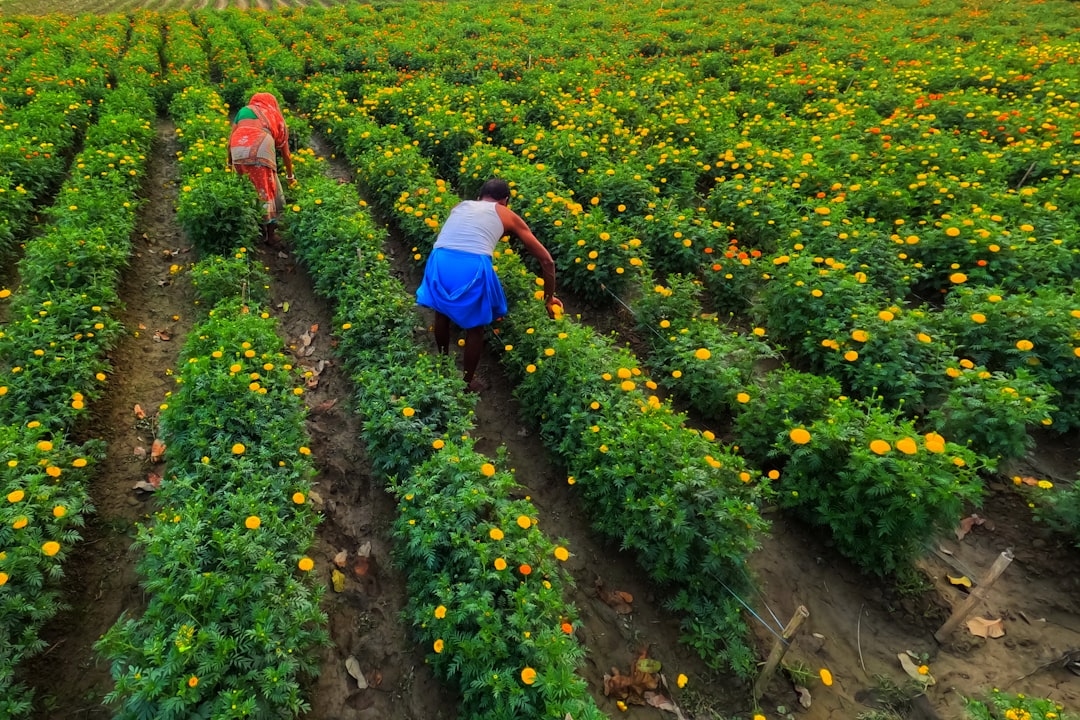
- 1/16 acre (~2,700 sq ft): $1,500-$3,500/season
- 1/8 acre (~5,400 sq ft): $3,500-$8,000/season
- Quarter acre (ambitious!): $6,000-$14,000/season
Source: 2026 surveys by the American Specialty Cut Flower Growers Association.
Expenses to Expect
- Seeds, soil amendments, compost, irrigation
- Packaging (sleeves, twine, labels)
- Market fees and supplies
- Fuel for delivery
- Your time – count at least 4-5 hours weekly for a micro-farm
Profit Margin
- Gross margin runs 50-65% if you’re DIY on labor
- Expect lower margin as you grow and take on help or sell via retail florists
Legal and Logistical Hurdles
- Business license: Check county/city regs. Some states (like California, Oregon) have special rules for agricultural sales.
- Homeowners’ associations (HOAs): May restrict front yard farming or signage.
- Insurance: Consider a small business liability policy; rates start around $250/year.
- Cottage food laws generally don’t apply to flowers, but check for local pesticide application restrictions.
- Non-GMO/Organic: Most flower buyers don’t demand certification, but avoid neonics and persistent chemicals for pollinator health.
Marketing Tips for Micro Flower Farmers
Social Media: Your Best Friend
- Post short videos of bouquet-making on TikTok or Reels.
- Use geo-tags and hashtags: #LocalFlowers, #YourCityBlooms, #FarmFreshFlowers.
- Showcase the process, not just perfect arrangements.
Storytelling Sells
Customers love personal stories: share “stem-to-vase” journeys, weather mishaps, and what’s in bloom this week.
Build Partnerships
- Collaborate with local bakeries or coffee shops for “flowers with coffee” popups.
- Pair with wedding planners and offer DIY bucket deals for budget brides.
Keep It Legal
Remember to disclose sponsored or partnered content if you receive products or payment, per 2026 FTC guidelines.
Common Flower Farming Side Hustle Mistakes (and How to Avoid Them)
- Planting too much, too soon. Start with a manageable number of beds.
- Ignoring local demand. What works in Georgia might flop in Utah; ask around before planting.
- Underpricing bouquets. Factor in your labor, not just materials.
- Neglecting pest/disease prevention. Weekly inspections save heartbreak (and money).
- Skipping the paperwork. Keep simple logs for income and expenses – the IRS will care come tax season.
Flower Farming as a Side Hustle: FAQs
How much land do you need to start flower farming as a profitable side hustle?
Most successful US side-hustle flower farmers start with as little as 1/16 to 1/8 acre (about 2,700-5,400 sq ft). This is enough space for a steady supply of mixed bouquets through a typical growing season.
What are the startup costs for small-scale flower farming in the US?
Expect to invest $700-$2,500 in your first year. This covers seeds, basic tools, soil amendments, packaging, and marketing supplies.
How much can you realistically earn growing flowers on the side?
Side hustlers can net between $1,500 to $8,000+ per season depending on plot size, crop selection, and sales strategies, with gross margins of 50-65% for those handling labor themselves.
Do you need a business license or insurance for flower farming?
Nearly all US municipalities require some form of business license for regular sales, even at farmers’ markets. Small business liability insurance is strongly recommended and often required by markets and events.
What are the best flowers for beginners to grow and sell?
Top choices: zinnias, sunflowers, cosmos, snapdragons, and marigolds. These are easy to grow, have high vase life, and are popular at local markets and with florists.
Take Your First Step – The Joy (and Grit) of a Backyard Bloom Business
Flower farming as a side hustle isn’t just about extra cash. It’s about bringing beauty into your community – one bouquet, one sunrise harvest at a time. If your hands itch for soil and your phone’s camera roll is already filled with garden shots, this side gig is tailor-made for you. Start planning your first bed this winter, set a realistic weekly goal for next season, and connect with local growers online. By this time next year, your kitchen counter might just be your city’s most photogenic flower shop.